
There’s a reason Iceland keeps popping up on everyone’s bucket list, and having finally made the trip myself, I completely understand the hype. It’s a country that looks like nowhere else on earth – black sand beaches, glaciers, volcanoes and geothermal pools, with some incredible landscapes packed into a relatively small country.
If you’ve been looking into Iceland travel packages, deciding what to squeeze into your itinerary can be one of the hardest parts. While many of Iceland’s best-known sights can be combined into a road trip, it’s worth allowing enough time to actually enjoy them rather than trying to race around the country.
In no particular order, here are ten places to consider for your Iceland itinerary.
1. The Blue Lagoon
Probably the most famous geothermal spa in Iceland, the Blue Lagoon is known for its distinctive milky-blue water and dramatic volcanic surroundings.
Located on the Reykjanes Peninsula, within relatively easy reach of Keflavík International Airport, it’s particularly convenient at the beginning or end of an Iceland trip. You’ll need to book a timed entry, and availability can be limited during busy periods, so it’s worth planning ahead if this is high on your list.
Yes, it’s touristy, but there’s something undeniably appealing about soaking in warm geothermal water surrounded by an Icelandic lava field.
2. Þingvellir National Park
One of the three main stops on Iceland’s famous Golden Circle, Þingvellir National Park combines extraordinary geology with some of the country’s most important history.
Iceland’s Alþingi was established here in 930, making Þingvellir an enormously significant place in Icelandic culture. The national park also lies within the boundary between the North American and Eurasian tectonic plates, with the landscape shaped by the movement of the two plates.
It’s a fascinating first stop on the Golden Circle and somewhere worth allowing time to explore on foot, rather than simply stopping for a quick photo.
3. Gullfoss
Another Golden Circle favourite, Gullfoss is one of Iceland’s best-known waterfalls.
The Hvítá river plunges down two stages before disappearing into a rugged canyon below, creating an impressive amount of spray. When the conditions are right, you may even catch a rainbow stretching across the falls.
There are several viewing areas, allowing you to appreciate Gullfoss from different perspectives, although paths and access can vary depending on the weather.
4. The Geysir geothermal area
The final member of the Golden Circle’s famous trio is the Geysir geothermal area, a landscape of steaming ground, bubbling pools and erupting geysers.
The Great Geysir itself is now relatively inactive, but nearby Strokkur erupts frequently, sending a plume of hot water high into the air.
It’s one of those places where you can tell yourself you’ll watch just one eruption, only to find yourself hanging around for another. Just remember that this is an active geothermal area, so stick to the marked paths and pay attention to warning signs.
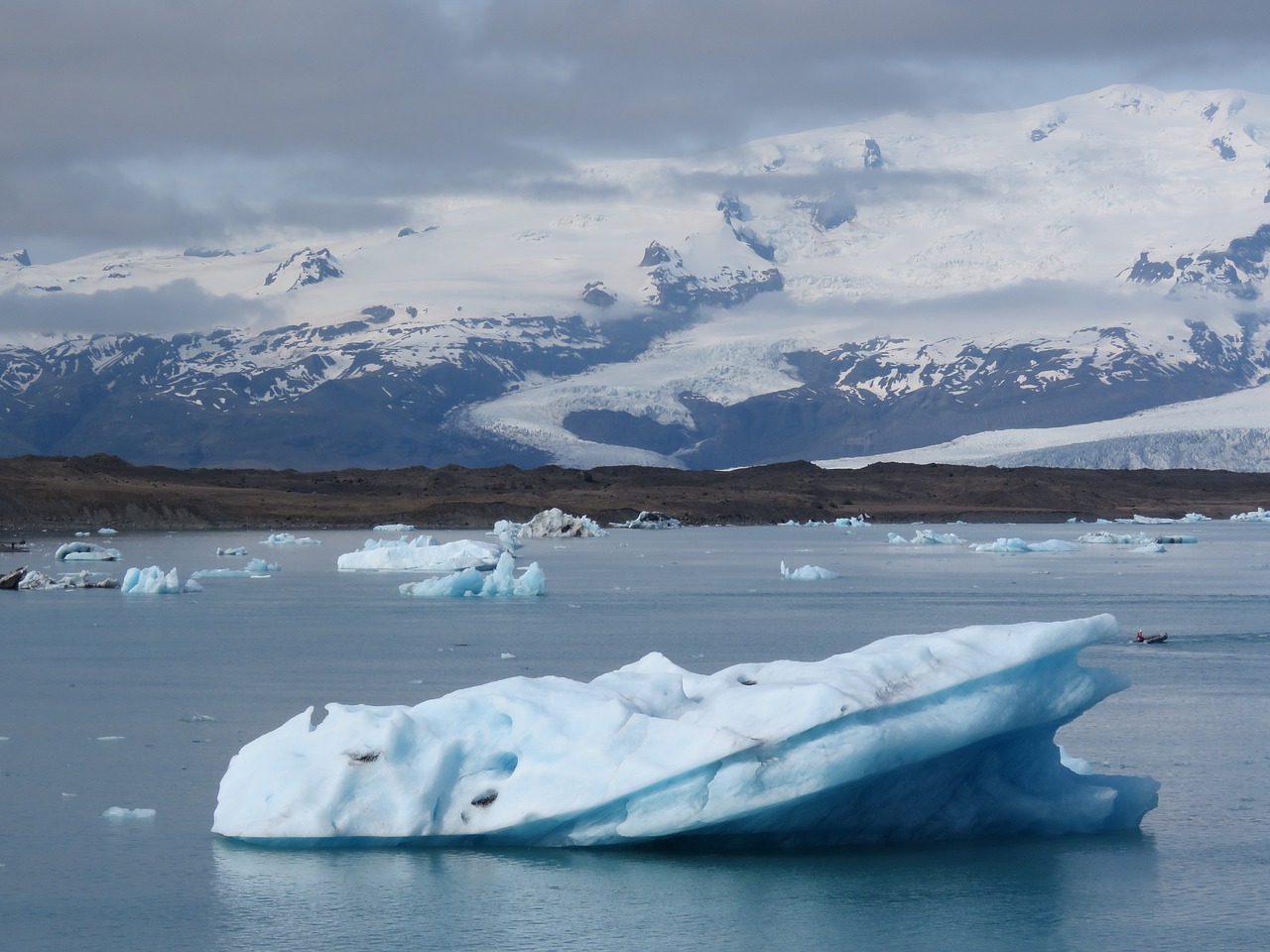
5. Jökulsárlón Glacier Lagoon
Jökulsárlón is one of Iceland’s most striking landscapes, where icebergs that have broken away from the Breiðamerkurjökull glacier drift slowly across a glacial lagoon.
Just across the road you’ll find Diamond Beach, where pieces of ice can wash ashore against the black volcanic sand, creating the dramatic contrast that has made the area so popular with photographers.
Seasonal boat tours offer another perspective on the lagoon, although availability depends on conditions and the time of year.
6. Reynisfjara black sand beach
Close to the village of Vík on Iceland’s south coast, Reynisfjara is famous for its black volcanic sand, basalt columns and the Reynisdrangar sea stacks rising from the Atlantic just offshore.
It’s undeniably beautiful, but this is one place where you really do need to take the safety warnings seriously. Reynisfjara is known for unpredictable sneaker waves, so keep well back from the water and follow the guidance displayed at the beach.
It’s a spectacular place to see, but the ocean here demands respect.
7. Skógafoss
Dropping around 60 metres, Skógafoss is one of the most impressive waterfalls along Iceland’s south coast – and one of the easiest to incorporate into a road trip.
You can admire it from below or tackle the staircase beside the falls for a completely different view from above. On sunny days, the amount of spray produced by the waterfall can also create rainbows in front of the falls.
According to local legend, an early Viking settler hid treasure behind Skógafoss, adding another layer to an already dramatic location.

8. Snæfellsnes Peninsula
If you want to experience a variety of Icelandic landscapes without travelling the entire Ring Road, the Snæfellsnes Peninsula is well worth considering.
You’ll find lava fields, dramatic coastline, beaches, fishing villages and the glacier-capped Snæfellsjökull volcano within the peninsula. It’s also home to Kirkjufell, whose distinctive shape has made it one of Iceland’s most recognisable and photographed mountains.
While it’s possible to visit Snæfellsnes on a long day trip from Reykjavík, staying overnight gives you much more time to explore.
9. The Westfjords
For somewhere that feels considerably further removed from Iceland’s busiest tourist routes, look towards the Westfjords.
This sparsely populated region is characterised by dramatic fjords, steep mountains, tiny settlements and winding roads. One of its best-known natural attractions is Dynjandi, an impressive series of waterfalls cascading down the mountainside.
The Westfjords require more planning than the Golden Circle or south coast, particularly as road conditions and accessibility can be seasonal. If you have the time, though, they offer the chance to experience a quieter side of Iceland.
10. Húsavík
Sitting on the north coast, Húsavík has built a reputation as one of Iceland’s leading destinations for whale watching.
Boat trips head out into Skjálfandi Bay in search of species including humpback and minke whales, alongside dolphins and other marine life. As with any wildlife experience, sightings can never be guaranteed, but the chance to see whales against the backdrop of Iceland’s northern coastline makes Húsavík an appealing addition to a longer itinerary.
The town itself is also worth exploring, particularly if you’re travelling around northern Iceland rather than simply passing through for a whale-watching excursion.
When is the best time to visit Iceland?
The best time to visit Iceland depends largely on what you want to see and do.
Summer brings long daylight hours and generally easier driving conditions, making it particularly appealing for road trips and exploring more remote parts of the country. Winter brings much shorter days and more challenging weather, but also creates the possibility of seeing the Northern Lights when skies are clear and conditions cooperate.
Spring and autumn can offer a useful middle ground, although Icelandic weather is famously changeable at any time of year.
Planning an Iceland road trip
If you’re planning to explore beyond Reykjavík, transport is an important consideration. Hiring a car gives you plenty of freedom, but driving conditions can change quickly, particularly outside the summer months.
If you’d rather organise several elements of the trip together, specialist providers such as Travelodeal offer packages that can make planning flights, accommodation and other parts of your Iceland holiday more straightforward. Compare what’s actually included before booking, particularly if you’re planning to hire a car or travel beyond the main tourist routes.
Whatever time of year you visit, always check current weather forecasts and official road and travel advice before setting out, particularly when driving into more remote areas.
From the waterfalls and geothermal landscapes of the Golden Circle to the wild scenery of the Westfjords, Iceland packs an extraordinary variety of landscapes into one destination. The hardest part might just be deciding what to leave for your next visit.
For more background on the country’s history and geography, the Iceland entry on Wikipedia is a good starting point, and the official Visit Iceland tourism board site has up-to-date safety information and road conditions worth checking before any road trip.
Which part of Iceland would be at the top of your list? And if you’ve already visited, which place would you tell a first-time visitor not to miss?