
My gran’s neighbour used to make homemade piccalilli every Christmas, and we recently came across her old recipe. Finding it again brought back memories of Christmases gone by and reminded me how easily family recipes and traditions can be lost over time.
Many of us have relatives who cook from memory, rarely measuring ingredients or writing down their methods. Often, it’s only when someone is no longer around to make a particular dish that we realise just how much those recipes meant to us.
With Christmas approaching, I’ve decided to start collecting some of our favourite family recipes and turn them into a personalised cookbook to give as a gift this year. If you’re thinking of doing something similar, here’s how to get started.
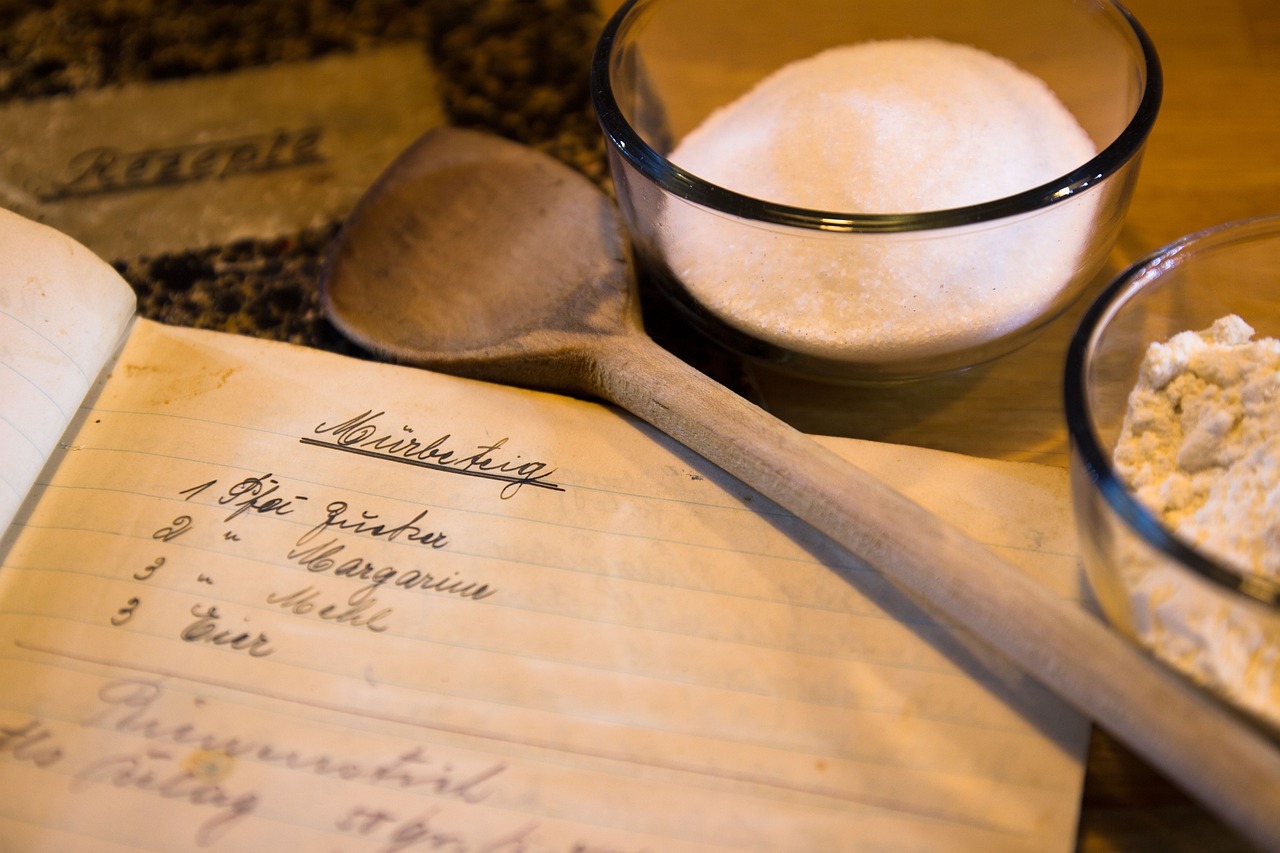
Record each recipe in the cook’s own words
Start by asking family members to share two or three of their signature dishes, explaining the recipes just as they would if they were talking you through them in the kitchen.
Rather than handing out blank recipe templates, encourage them to describe their cooking methods naturally. You could record the conversation on your phone, jot down notes as they talk or ask them to write out the instructions themselves.
Part of the charm lies in the language people use. Phrases like ‘a lump of butter the size of an egg’ or ‘a good pinch of salt’ can tell you just as much about the person behind a recipe as the ingredients themselves.
Try to preserve these expressions wherever possible, adding more precise measurements in brackets when needed. That way, you’ll capture the cook’s personality while ensuring the recipe is still easy for someone else to follow.
How to capture recipes that have never been measured
Some of the best family recipes have never been anywhere near a set of kitchen scales.
Perhaps your grandmother adds flour until the dough feels right, or your dad knows his homemade cawl is ready simply by looking at it. Asking someone to estimate quantities from memory isn’t always reliable, particularly when they’ve spent decades cooking the same dish by instinct.
The best approach is to prepare the recipe together. Measure each handful, splash or spoonful before it goes into the pan, noting the quantities as you go. It’s also worth recording details like the size of the saucepan, the cooking temperature and any techniques that make the dish successful.
Pay attention to the visual clues, too. Instructions like ‘simmer until the liquid has reduced by half’ or ‘knead until the dough feels smooth and elastic’ can be more useful than timings alone.
Where possible, include approximate cooking times alongside these descriptions. After all, ‘cook until done’ might make perfect sense to someone who has prepared the dish hundreds of times, but it won’t be much help to a family member attempting it for the first time.
Preserve handwritten recipe cards and family notes
Old recipe cards have a habit of becoming treasured family possessions in their own right.
Often stained with flour, splashed with gravy or covered in handwritten amendments, they tell their own stories about the kitchens they’ve passed through.
Unfortunately, paper doesn’t last forever. Ink can fade, pages become fragile and handwritten notes can easily be misplaced or damaged.
Take the time to photograph or scan each recipe card, making sure the writing is clear and legible. Remember to capture both sides, particularly if additional instructions or notes have been squeezed onto the back.
Rather than replacing these originals with typed instructions, consider including both versions in your family cookbook. Seeing your great-grandmother’s handwriting alongside a neatly presented recipe adds a personal touch that a standard cookbook simply can’t replicate.
If you’d prefer something more permanent than a collection of printed pages, you could create a personalised cookbook, bringing together family recipes, photographs and memories in a professionally printed and bound book.
Whether you decide to print your cookbook yourself or use a professional service, remember to back up your digital copies of the original recipe cards. Saving them in cloud storage and on a separate device will help protect them against accidental loss.
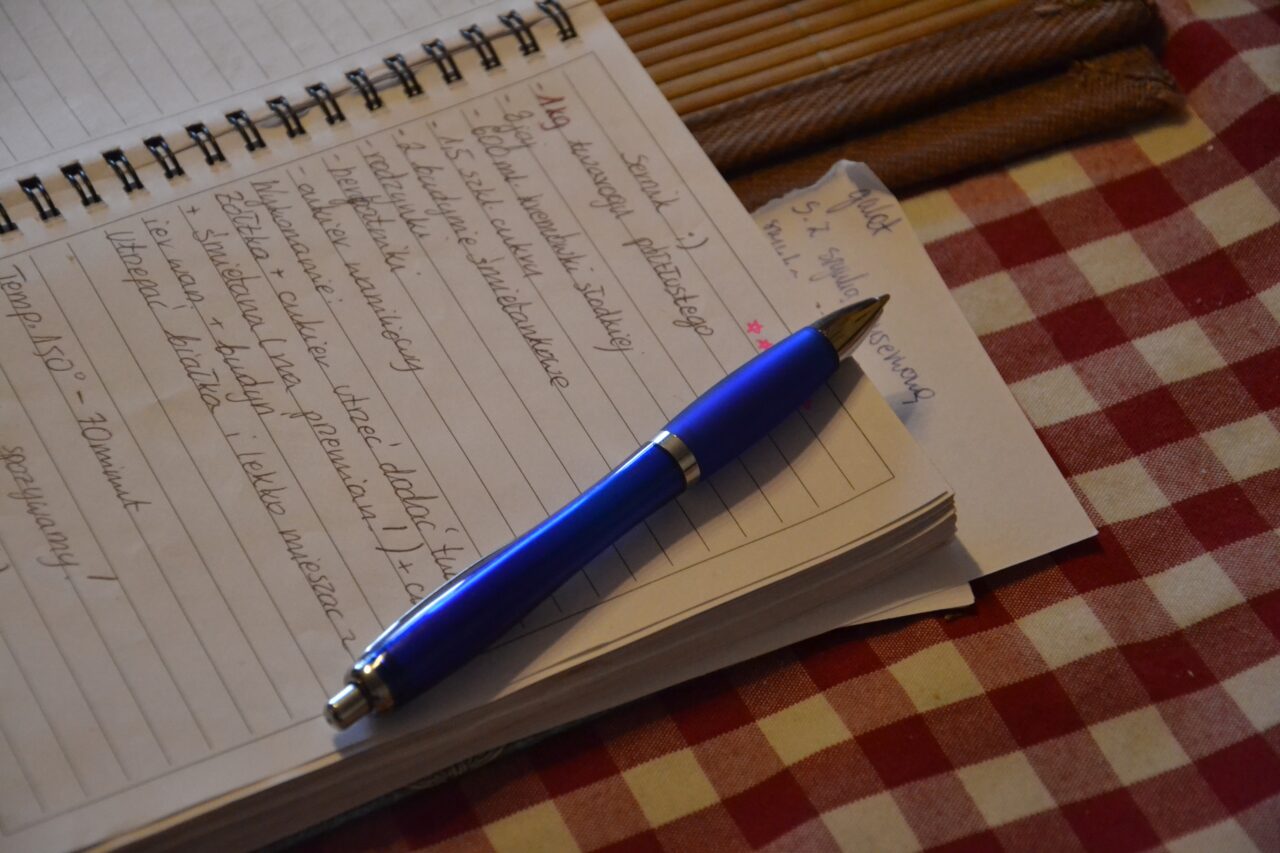
Include the stories behind each family recipe
A family cookbook is about much more than ingredients and cooking instructions. It’s also an opportunity to preserve the memories, traditions and people associated with the dishes you grew up eating.
A simple list of ingredients might tell you how to recreate a meal, but knowing who first made it, where the recipe came from and why it became a family favourite gives it a much deeper meaning.
For each recipe, consider including a few details:
- Who created or passed down the recipe: Was it your grandmother’s speciality, or something your parents learnt to cook together?
- Where it originated: Has it been handed down through several generations, or does it reflect your family’s cultural heritage?
- When it was traditionally served: Perhaps it was reserved for Christmas Eve, Sunday lunch or special birthdays.
- A favourite memory: Ask family members what they remember most about eating or preparing the dish.
You don’t need to write an entire family history for every recipe. Sometimes, a couple of sentences about a childhood Christmas, a bustling family kitchen or a much-loved relative are enough to bring those memories to life.
These little details are what will make your cookbook feel truly personal, rather than simply another collection of recipes.
Start your family cookbook this Christmas
Creating a family cookbook might sound like a big undertaking, but you don’t need to collect every recipe at once. Christmas is a good opportunity to get started, particularly when relatives are gathered together and traditional family dishes are being prepared.
I’m looking forward to bringing all our family favourites together in one place, along with the memories and stories behind them. And, of course, my gran’s neighbour’s homemade piccalilli will definitely have a place in the finished cookbook!
Often, it’s the recipes we take for granted that end up meaning the most, so it’s worth taking the time to preserve them while we can.
Do you have a treasured family recipe that’s been passed down through generations? I’d love to hear about it in the comments!