
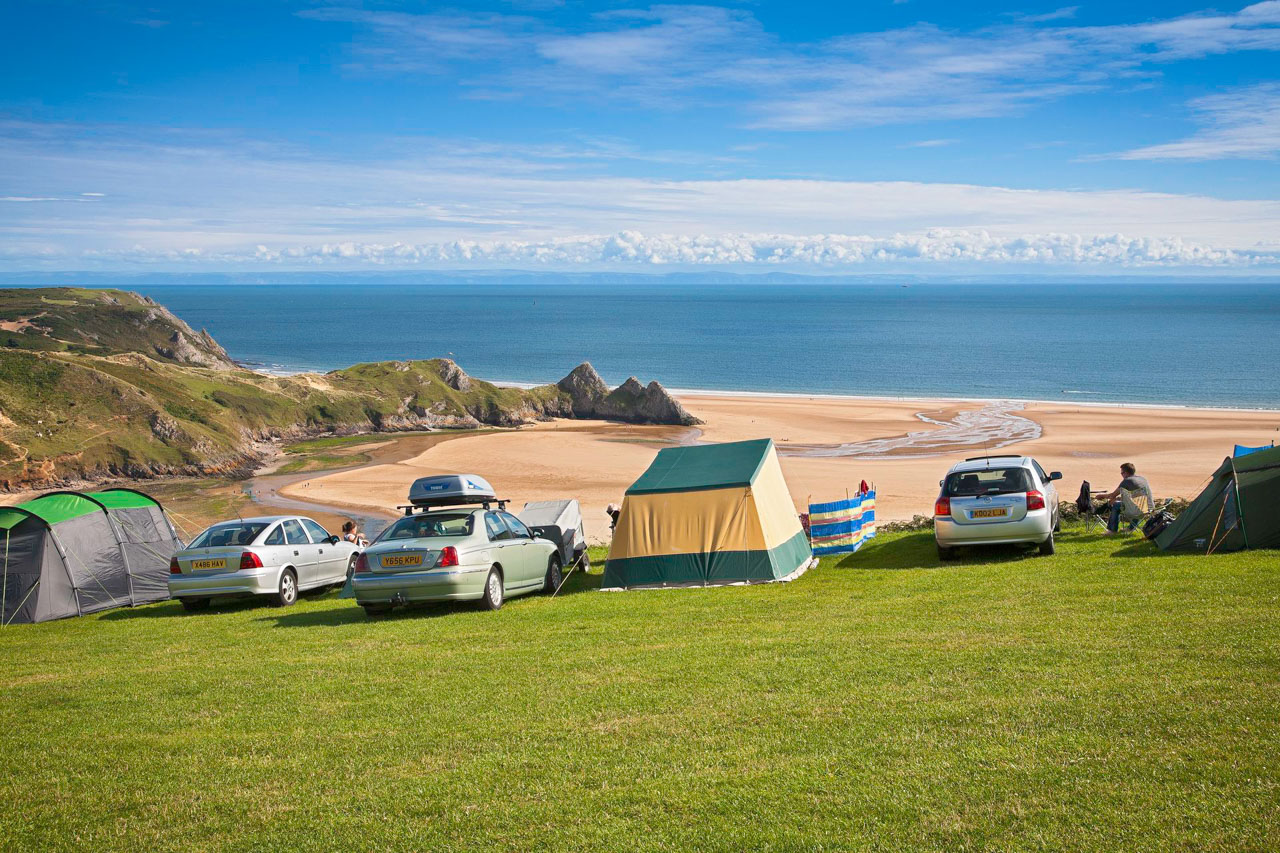
Why Wales rewards the driver
Some destinations are easy to explore by train or bus. Wales isn’t one of them. While the country’s rail network links many of the major towns and cities, some of its most spectacular beaches, mountain roads and hidden valleys are often best reached on four wheels.
A self-drive road trip gives you the freedom to experience Wales at your own pace – swapping castles for coastlines, mountain passes for market towns, and stopping whenever the view demands it. No rushing for the last bus. No squeezing your day around a timetable. Just one car, an open road and countless opportunities to take the scenic route.
Getting the wheels rolling
Every road trip starts much the same – collecting the keys, loading the boot and hoping you’ve judged your packing a little better than last time. Booking your hire car in advance through Localrent.com takes the stress out of arriving, allowing international travellers to compare Cardiff rental options before they even leave home rather than queuing at a busy airport desk.
Before heading into the countryside, spend a day exploring Cardiff. Compact enough to discover on foot, the Welsh capital blends more than 2,000 years of history with a thriving food and cultural scene. The Museum of Welsh Life in St. Fagans is one of the best places to visit in Cardiff, but history lovers can discover he story of Roman, Norman and Victorian Wales at Cardiff Castle. Meanwhile, while nearby Cardiff Bay is the perfect place to unwind before setting off.
From here, the M4 and A470 provide an easy route north into the heart of Wales.
Stop one: Bannau Brycheiniog (Brecon Beacons)
Around an hour from Cardiff, the motorway gives way to open countryside as the landscape changes from rolling farmland to dramatic mountain scenery. Officially renamed Bannau Brycheiniog National Park in 2023, many visitors – and plenty of locals – still refer to it as the Brecon Beacons.
Home to waterfalls, reservoirs, ancient woodlands and Pen y Fan, the highest peak in southern Britain at 886 metres, it’s one of Wales’ best-loved outdoor destinations.
Before you set off, it’s worth keeping a few things in mind:
- Roads become noticeably narrower beyond Brecon, with single-track sections common in rural areas. Take your time and make use of passing places where needed.
- Storey Arms, one of the main starting points for Pen y Fan, fills quickly on weekends and during school holidays. Arriving early can make all the difference.
- Mobile signal can disappear without warning in some valleys, so downloading offline maps before you leave Cardiff is well worth doing.
- More than four million visitors head to the national park each year, particularly during the summer months. Setting off early not only helps with parking but also means quieter walking trails and better chances of spotting the famous Welsh mountain ponies.
- Don’t be surprised if sheep wander onto the road – particularly on quieter mountain routes where livestock roam freely.
Stop two: The Gower Peninsula
From the mountains, the route heads south-west towards one of Wales’ most celebrated stretches of coastline. Designated Britain’s first Area of Outstanding Natural Beauty in 1956, the Gower Peninsula continues to earn its reputation for sweeping beaches, dramatic cliffs and picturesque villages.
Rhossili Bay is undoubtedly the star attraction. Stretching for around three miles, it’s regularly recognised among Europe’s finest beaches, thanks to its vast expanse of golden sand, spectacular views and unforgettable sunsets.
At the western end of the bay lies Worm’s Head, a tidal island connected to the mainland by a rocky causeway. Access is only possible for a limited period either side of low tide, so always check the official tide times before crossing and leave plenty of time to return safely.
The winding coastal roads are part of the experience, with countless viewpoints, hidden coves and welcoming village pubs providing plenty of reasons to slow down.

If you’ll be travelling to the Gower this summer, here are some things to consider:
- Travel by car if you can – many of Gower’s best beaches and viewpoints are difficult to reach by public transport.
- Check the tide times before heading to the beach, especially if you’re planning a coastal walk.
- Pack layers and sturdy footwear, as the weather can change quickly and some beaches require a bit of a hike.
Making the most of the journey
Covering roughly 100 miles between Cardiff, Bannau Brycheiniog and the Gower, this Welsh road trip route is perfectly manageable over a long weekend, although 4-5 days allows time to explore without feeling rushed.
One of the greatest joys of driving through Wales isn’t simply reaching the destinations – it’s everything you discover along the way. A roadside farm shop. A hidden waterfall. A castle you hadn’t planned to visit. A quiet beach with barely another soul in sight.
Pack layers whatever the season, keep your camera close by and don’t be afraid to leave room for the unexpected. In Wales, some of the most memorable moments are the ones you never planned.
If you’re planning a Welsh road trip, where’s the first place on your itinerary? Let me know in the comments – or share your own favourite route to inspire other readers.