
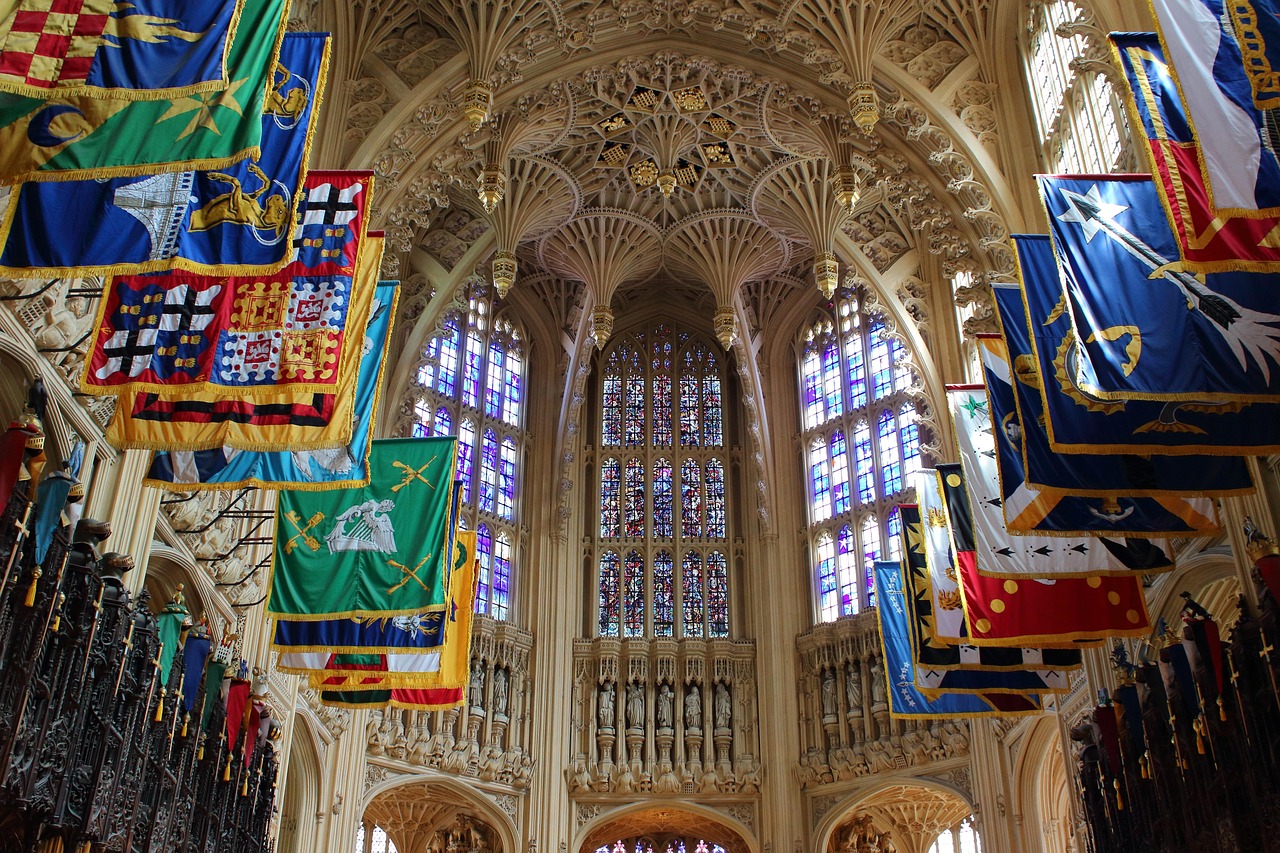
Westminster Abbey sits right at the historic heart of London. This iconic building has witnessed everything from coronations and royal weddings to state funerals, and after nearly a thousand years, the sheer weight of its history is hard to overstate. Its Gothic towers and intricate stonework draw millions of visitors each year. Yet many people simply pass through without really engaging with what’s here – missing the stories that give the place its depth and character.
There’s a noticeable difference between wandering through on your own (we’ve all done it) and experiencing the Abbey with a more structured approach. It’s the difference between leaving with a handful of photos and coming away with a clearer understanding of British history. For those looking for something more meaningful, understanding how to approach a visit – from timing to format – can make all the difference.
What to look for in a genuine experience
When planning a visit, it’s worth thinking about how well the experience balances historical context with the lesser-known details that are easy to overlook. The term “guided tour” is used widely, but in practice it can mean very different things. Some offer a basic overview, while others provide a more in-depth, thoughtfully structured experience.
A well-designed guided tour of Westminster Abbey should follow a clear narrative, rather than simply moving from one landmark to the next. It’s not just about pointing out a tomb and reciting dates – it’s about connecting the architecture to the people and events behind it. Highlights like the Coronation Chair, Poets’ Corner and the Lady Chapel should be included, but equally important is understanding why they matter. Without that context, the experience can feel incomplete.
Choosing between a private and group experience
The quality of your visit is shaped less by how long you spend inside, and more by how engaged you feel throughout. This is where the format you choose – private or group – can make a real difference.
A private tour allows for a more tailored pace, with the flexibility to spend longer in areas that interest you. If you want to pause at Newton’s Grave or explore a particular detail in more depth, for example, you can do so without feeling rushed. It also creates space to ask questions and engage more directly with the guide.
Group tours can still work well, but it’s worth checking what “small group” actually means. Some tours stretch this definition, which can affect how much you get out of the experience. Groups of around 15 or fewer tend to strike a better balance, allowing you to hear clearly and stay engaged without feeling crowded.
What’s included – and what you might miss
The type of experience you have at Westminster Abbey often comes down to what’s included in your visit. It’s not just about having a guide – it’s about whether you’re given the context and access that bring the space to life.
Take the Coronation Chair, for example. Used in almost every coronation since the 14th century, it’s one of the most significant objects inside the Abbey. Carved from oak and once covered in gold leaf, it’s easy to walk straight past without realising its importance. It’s the details – the worn surface, the carved lions at its base, the space where the Stone of Scone once sat – that make it feel real rather than symbolic, but these are often missed without explanation.
While general admission gives you access to the main nave, some of the most historically important areas are usually closed off. This is where more specialist or verger-led visits come into their own, offering entry to spaces like the shrine of St Edward the Confessor. Being able to step into these quieter, restricted areas adds a completely different layer to the visit, turning it from a surface-level walk-through into something far more memorable.
Planning and logistics for different visitor types
When visiting a popular landmark like Westminster Abbey, planning ahead is essential. For 2026, timed entry is in place. Turning up without a booking is unlikely to work, particularly during peak periods. The busiest visiting hours tend to fall between late morning and mid-afternoon.
For a quieter experience, earlier or later time slots are worth considering. These tend to offer a calmer atmosphere, with fewer crowds and a more reflective feel to the space.
Accessibility has also improved in recent years. Wheelchair access is available in the main areas, and hearing loops can be requested. Photography is permitted, but flash and video recording are restricted, and staff do enforce these rules.
A more structured visit helps cut through the crowds and brings the Abbey’s history into sharper focus. Rather than simply moving through the space, you come away with a clearer understanding of what you’ve seen – and why it matters.
For many visitors, Westminster Abbey is one of the best things to do in London, and it’s easy to see why. Few places offer the same sense of continuity, where centuries of history sit side by side under one roof. But it’s also a place that rewards a little extra thought and planning.
Approach it with the right timing, the right format, and a bit of context, and it becomes far more than a quick stop on a sightseeing list. Instead, it’s an experience that stays with you long after you’ve left.
Planning a trip to London? Westminster Abbey is well worth adding to your itinerary – especially if you take a little time to plan your visit properly.