
Travelling with hearing loss requires a bit of extra preparation to ensure a smooth and enjoyable experience. Whether you’re flying, driving, or navigating new places, being well-prepared can help you avoid potential challenges. For example, if it’s your first time flying with hearing aids, you might want to bring noise-cancelling headphones, as the noise on planes can be overwhelming. Alternatively, you can turn off your hearing aids or switch them to flight mode if you need a nap. If your journey includes connecting flights, keep spare batteries easily accessible in case of delays. For road trips with a group, a remote microphone can help you stay involved in conversations more easily.
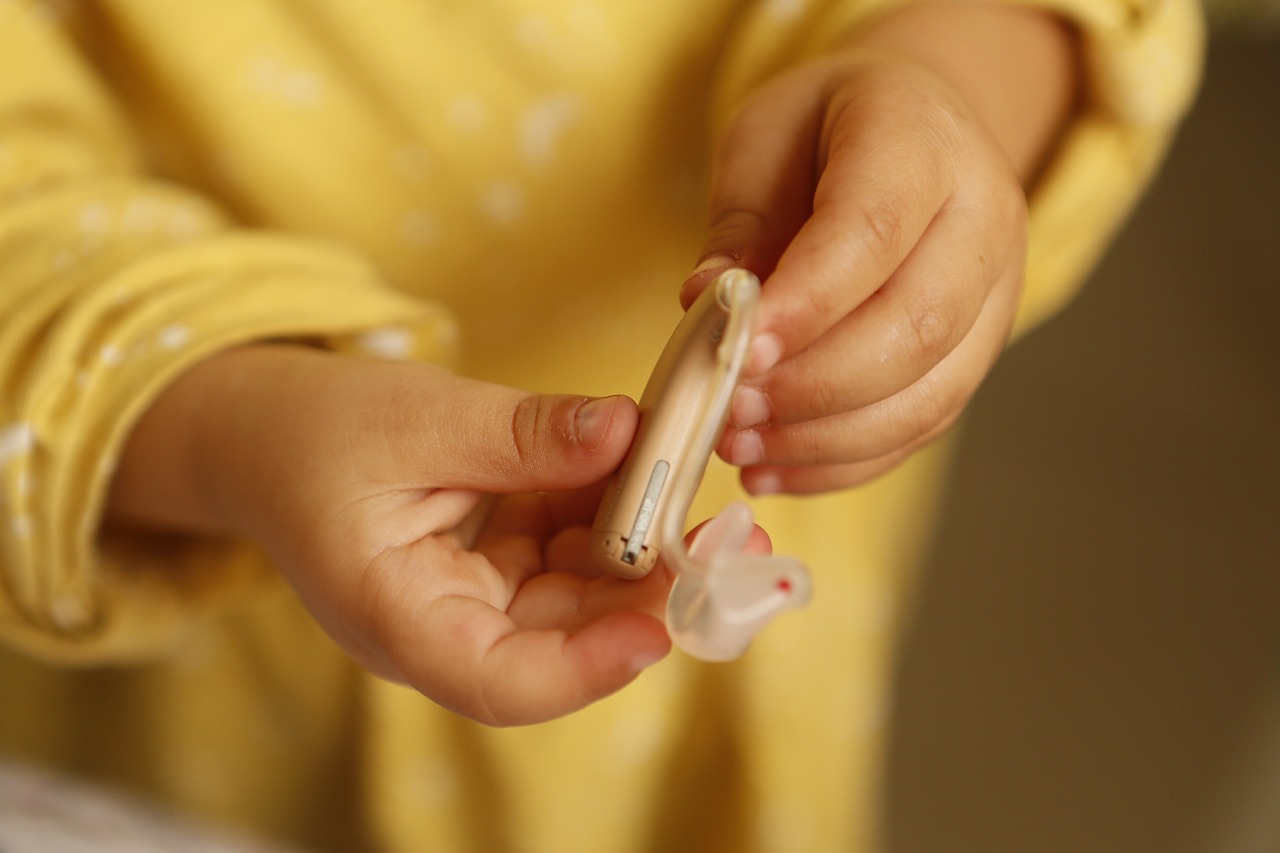
Tips for travelling with hearing aids
When planning your holiday, it’s important to make sure your hearing aids can handle the activities you’ve got lined up. If you’re heading to the beach or a pool, you’ll need waterproof hearing aids. Water-resistant hearing aids may not suffice, as they can suffer permanent damage if submerged. It’s a good idea to invest in water-resistant aids for lighter exposure or to bring along a backup pair to ensure you’re never left without working aids. A best hearing aids review from independent experts can help you choose the best hearing aids, whether prescription or over-the-counter, to suit your budget and needs.
Here are some useful tips to help you protect your hearing aids while travelling:
1. Carry a drying case
Even if your plans don’t include water activities, high humidity at your destination can cause moisture to build up in your hearing aids. Electric drying cases are a reliable way to keep them moisture-free, and some models even have UV lights to kill bacteria, reducing the risk of ear infections in humid environments. If you’re looking for a more affordable option, a basic drying case with desiccant beads can extract moisture effectively. In a pinch, a few silica gel packets in a sealed bag can do the trick to dry out your hearing aids.
2. Get a travel insurance plan that covers medical devices
It’s worth checking whether your health insurance covers your hearing aids while you’re abroad. Many prescription hearing aids represent a significant investment, and damage or loss can be costly. To protect yourself, look for travel insurance that includes coverage for medical devices or consider adding a rider to cover hearing aids specifically. For long-term travel, consider taking out travel medical insurance.
3. Find local audiologists in advance
To avoid any issues should your hearing aids malfunction while travelling, it’s a good idea to research hearing aid clinics near your destination in advance. If you’re travelling abroad, make sure the local audiologist speaks your language to avoid any miscommunication.
4. Clean your hearing aids more often
You’re probably used to a cleaning schedule for your hearing aids but you will need to clean them more often when you’re travelling. The change in environment can increase your production of earwax and if you’re somewhere that’s more sandy or dusty, your hearing aids are more likely to get clogged which will reduce their effectiveness. Carry a cleaning kit with a wax pick, cleaning wire or a multi-tool to remove debris from your hearing aids. You can use disinfectant wipes that are meant specifically for your type of hearing aid but never use alcohol or solvents as they can damage the internal electronics of your hearing aid.
5. Download a “Find My Hearing aid” app
When travelling, it’s easy to misplace your hearing aids, especially if you fall asleep or remove them and forget where you’ve put them. Download a “Find My Hearing Aid” app before you travel, and make sure to pair it with your hearing aids in advance, as some devices may not have this feature automatically. Be sure to check whether your hearing aids are compatible with such apps, as not all brands, such as Phonak, offer this option.