
This is a collaborative post.
The myriad of religions occupying India’s spiritual space – including, but not limited to, Hinduism and Buddhism – have intrigued the Western imagination for centuries. In recent years, however, as Indians have begun to emigrate to other corners of the globe, a number of the country’s ancient religious traditions have begun to spring up overseas as well. Take, for example, the annual chariot parades in New York and the increasingly popular spring celebration of Holi – in which participants cover each other in a riot of colour. Similarly, many Indian couples are now seeking to marry in lavish ceremonies abroad, with destinations like Mexico and Dubai proving popular. Take a look at these wedding Resorts for Indian weddings in Cancun to get a feel for what you can expect from an overseas wedding ceremony.
That said, nothing compares to witnessing an authentic religious ceremony in its country of origin. Visiting India during the so-called ‘Wedding Season’, which falls from November to March, can introduce travellers to one of the world’s most romantic ceremonies. To better understand the timeless beauty of the Hindu wedding (accounting for 80% of the 10 million weddings taking place in India each year), take a look at this brief guide to some of the most important moments of this poignant ceremony.
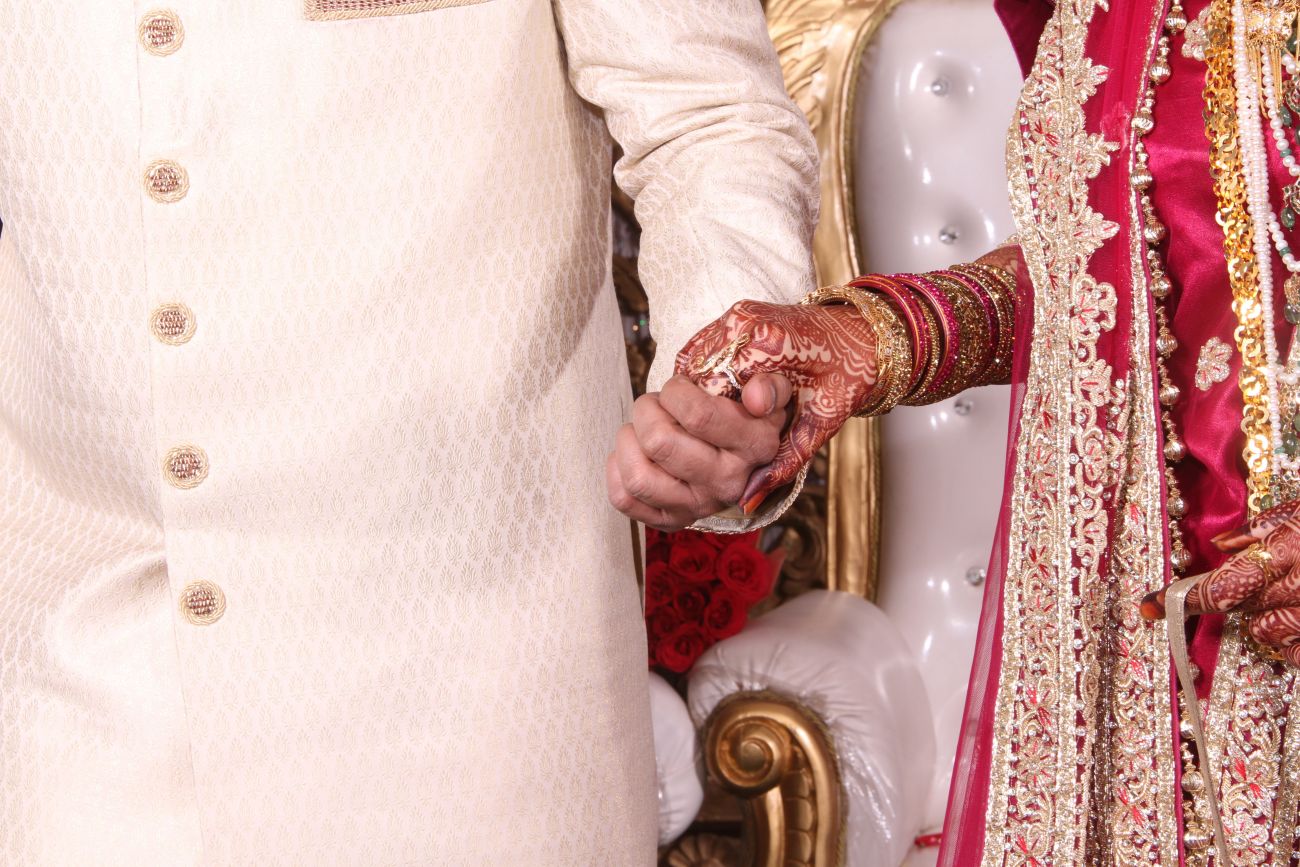
Sangeet
One of the most exciting elements of an authentic Indian wedding actually takes place the night before the day of the wedding.
The Sangeet offers a chance for the bride and groom’s family to mingle ahead of the big day. In modern times, the ensuing party will often incorporate Bollywood music, complete with choreographed dancing open to all.
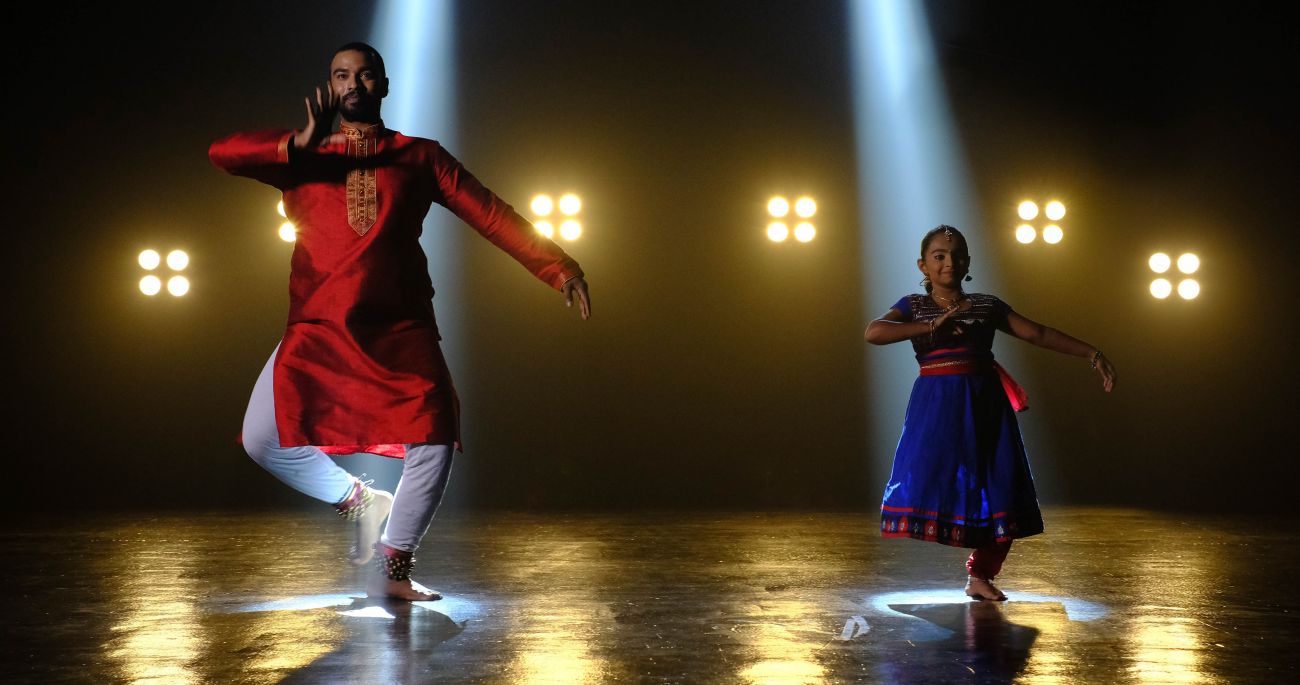
Baraat
Now, on to the ceremony itself. One of the most spectacular aspects of the service is the groom’s journey to the wedding venue – often the bride’s house. Known as the Baraat, this usually sees the groom riding a white horse through the streets as drummers follow.
Once at the wedding venue, the Baraat Swaggat sees the ritual welcoming of the groom and his family, followed by the exchanging of colourful garlands (known as the Jaimala). Afterwards, the wedding guests then progress to wherever the vows, and the Wedding rings, will be exchanged.

While finding jewellery to wear to an Indian wedding can be a challenge, especially in the UK, Jeulia stocks a range of wedding jewellery to suit all tastes and preferences.
Kanyadaan
Before the happy couple can affirm their intentions, the bride’s father (or other appropriate guardian) steps forward to give their permission for the union to take place.
They then watch on as the bride and groom recite the kama-sukta (hymn to love). The bride’s father or guardian will ask the groom not to fail the bride and in response, the groom promises the guardian and bride alike that he will not – three times.
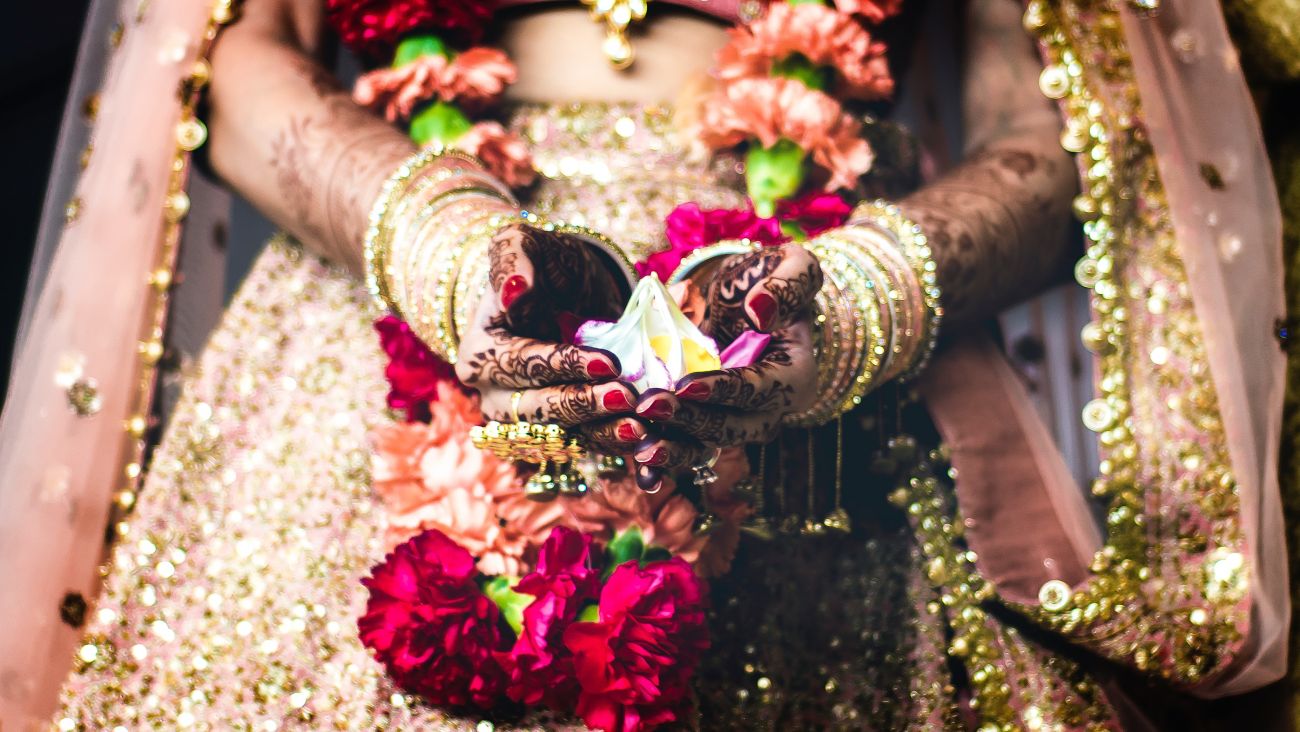
Havan and Gath Bandhan
In one of the ceremony’s most symbolic moments, these verses are followed by the lighting of the sacred fire (the Havan), which represents the birth of a new household.
With this flame burning, the couple are next (gently) bound together via a scarf around their necks. This is called the Gath Bandhan (the Nuptial Knot) and is a visible and very public sign that they are now joined and must be faithful to one another.
Saptapadi and Sindhoor
The joined couple circle the fire, taking turns to lead the other. The vows they make at the end of each of the seven circuits (the Saptapadi) legally confirm the marriage.
The parents bestow their blessing on this union and the groom applies a small red dot to the bride’s forehead. This gesture is called Sindhoor (for the vermillion colour of the dot) and concludes the ceremony. The couple is now finally free to return to the world – as one, as opposed to as two separate individuals.
Have you ever attended a wedding in a different country or culture? Did you observe any particular customs or traditions? Share your thoughts in the comment box below.
If you liked this post, check out my post on what to wear to a wedding in a different culture for wedding fashion tips based on my own experience of attending an Indian wedding in Delhi.
This is a collaborative post.