
Travel can be exciting, but sleep often takes the hit. With a few smart moves before, during, and after your trip, you can protect your energy and arrive feeling ready to explore. Think of this as a toolkit you can use on any itinerary, from short hops to ultra-long hauls.
Reset your body clock before you go
Start shifting your schedule a few days ahead. Go to bed and wake up 30-60 minutes closer to your destination time each day. Keep mealtimes and light exposure aligned with that slow shift, so your internal clock follows along.
Your circadian rhythm tends to adjust by about a day per time zone, which is why gradual prep pays off. By nudging your habits before you leave, you can reduce the shock to your system upon arrival.
Nail your flight day routine
Choose comfort over tight schedules on departure day.
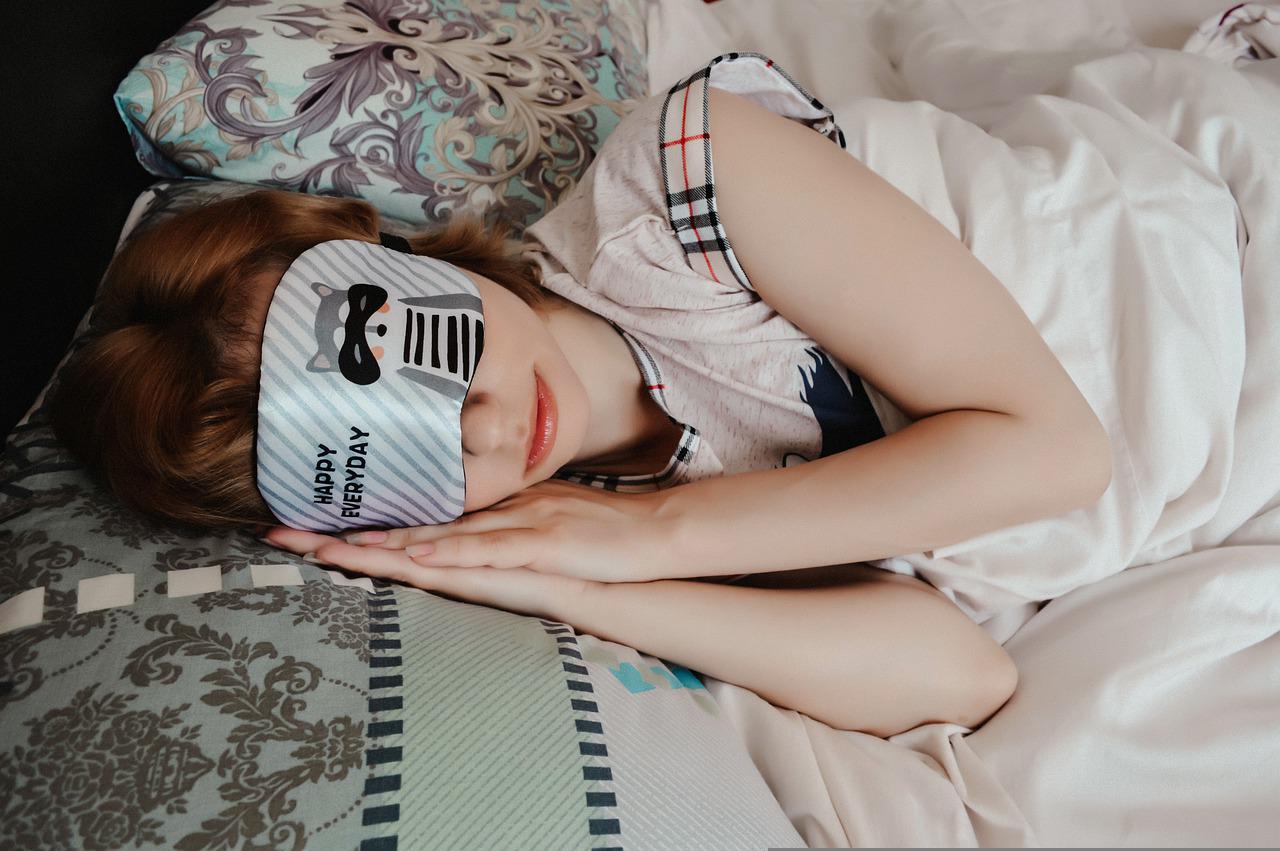
Allow yourself buffer time, wear breathable layers, and pack a minimal kit that supports rest. Pack some small comforts – a neck pillow, eye mask, and noise control make a real difference for comfortable long flight travel – and keep your phone in airplane mode with downloaded music or white noise, so you’re not tempted to scroll. Simple choices like these can all help to save energy for when you land.
Hydrate and move with purpose
Cabin air is dry, and sitting still makes you sluggish. Bring a refillable bottle and take sips often to stay hydrated while travelling. Stand up when you can, and do ankle circles or calf raises while seated.
Staying hydrated, slightly elevating your feet, and packing a few important items can help to limit swelling and discomfort on long flights.
Meanwhile, sretching your shoulders and neck helps to reduce stiffness and tension, while rotating your wrists and gently twisting your torso helps to keep circulation flowing.
Walk the aisle when allowed, to activate leg muscles and improve circulation. Plan brief, mindful breaks to check posture and breathe deeply. These habits keep energy up, while also reducing fatigue during long journeys.
Build a sleep-friendly seat
You can sleep upright with a little strategy. Dim the screens an hour before you plan to rest, use an eye mask to block cabin light, and rest on a neck pillow to support your head.
If the cabin is noisy, try noise-cancelling headphones or earplugs. Many travellers find that a thin scarf or hoodie doubles as a soft pillow cover or light blanket, which makes it easier to relax and fall asleep.
Quick comfort checklist
- Eye mask and earplugs for sensory control
- A neck pillow that supports your chin
- Refillable water bottle
- Light layer, you can remove or add
- Lip balm and moisturiser for dryness
Time meals to support sleep
Use food timing to your advantage. If you want to sleep on the plane, keep dinner light and favor carbs, then avoid heavy protein close to bedtime. If you need to stay awake after landing, a protein-leaning meal can help you push through the evening.
Carry simple snacks, so you’re not locked into the cabin service schedule. Gentle hydration and a warm, caffeine-free drink can set the stage for a better rest than a second coffee.
Outsmart jet lag when you land
On arrival, aim to get some sunlight at your destination either in the morning, or early afternoon. Natural light is the strongest reset signal. Try to move your body with a short wal,k rather than a hard workout.
Westward trips are often easier to adjust to than eastward trips, due to how our clocks adapt hour-by-hour. Try to bear this in mind when planning day-one activities.
As a general rule of thumb: allow around one day per time zone for your body clock to align. If you cross six zones, however, it’s normal for the first few days to feel a little unsettled.
Sleep better in hotels
Hotel rooms can sabotage sleep with strange sounds and unfamiliar light. Consider travelling with some black-out stray light or an eye mask, check the thermostat or air conditioning, close the curtains tightly, and place a towel at the door to block hallway light.
Many travellers struggle to sleep while travelling. Bring earplugs, use a white noise app, keep the room cool, and some also find the best red and infrared light therapy device helpful as part of an evening wind-down routine.
Room reset tips
- Black out stray light with clips or tape
- Eye mask
- Set a cooler temperature before bedtime
- Keep screens off for 60 minutes before sleep
- Park your suitcase away from the bed area
Travel is easier when you work with your body, not against it. Shift your schedule early, control light and meals, and build a calm space on the plane and in your room. With a few repeatable habits, you can land rested and enjoy more of the trip.
What are your top tips for resting well while travelling? Let me know by leaving a comment below.