
If you’ve searched for a recipe lately, you’ve probably noticed something new – AI Overviews. These AI-generated summaries from Google now sit right at the top of search results, offering quick answers without needing to click a link.
Sounds helpful, right? But here’s the problem: they’re often wrong – especially when it comes to food.
AI Overviews have been caught mixing up ingredients, quoting Reddit jokes as serious advice, and even suggesting unsafe or just plain bizarre cooking methods. That’s a big issue if you’re trying to feed your family – or impress a date – with a dish you’ve never made before.
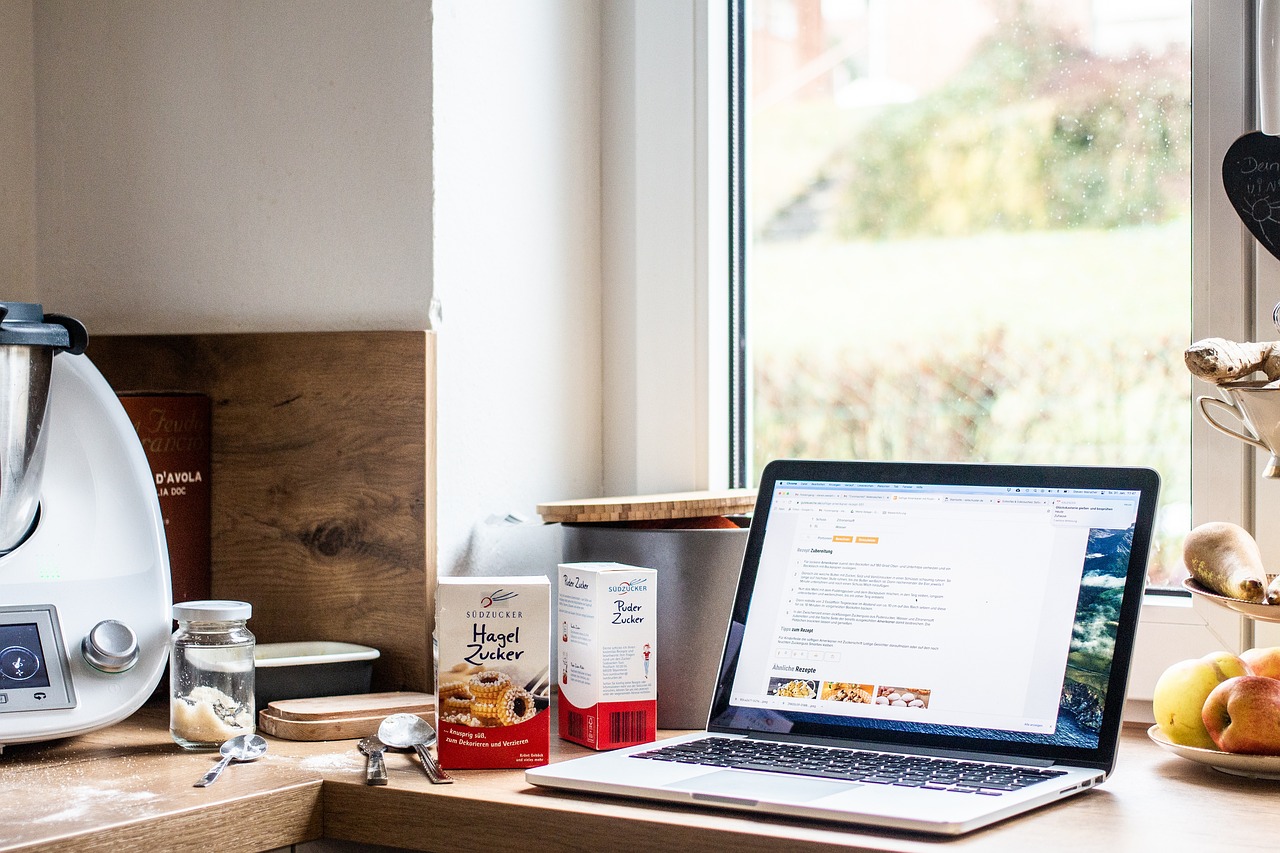
Here’s what’s going on, and what you need to know before trusting AI with your next meal.
AI recipes are everywhere – but not always reliable
Google launched AI Overviews to make search faster. Instead of clicking through links, you get a summary at the top of the page with bullet points, links, and instructions.
But unlike expert-written recipes or food blogs, these summaries pull content from a mix of sources—Reddit, forums, old blogs, and even random comments taken out of context.
Take this example: one user searched “how to make lasagna faster” and got an AI response that included: “Layer raw noodles with cottage cheese and jelly.” The jelly? It came from a sarcastic Reddit comment. The AI didn’t catch the joke – it added it to the list.
Another case? Someone searched “how to make hard-boiled eggs” and was advised to microwave them in the shell. That’s not just incorrect – it’s also dangerous.
Why this matters for home cooks
Cooking a recipe takes effort. You buy ingredients, prep your space, and follow the steps. If the instructions are wrong, you’re left with a mess and an empty stomach.
If you’re hosting dinner or feeding kids, it’s more than inconvenient – it’s stressful. It’s wasted food, wasted time, and totally avoidable.
AI doesn’t understand sarcasm or check for kitchen safety. It pulls text from the internet and summarises it. That’s not the same as cooking experience – or proper recipe testing.
How to spot a bad AI Overview
If you’re relying on AI Overviews, keep an eye out for these red flags:
- No credible source listed – If there’s no clear link to a reputable food site (like NYT Cooking, BBC Good Food, or Serious Eats), skip it.
- Weird ingredients – If the recipe mentions soda, glue, or “shiny rocks,” it’s probably quoting a joke.
- Unrealistic cooking times – Boiling pasta for two minutes or baking chicken for 15? Double-check before proceeding.
- Inconsistent steps – If it tells you to “boil eggs” then “scramble with vegetables,” that’s not a vetted recipe.
Use common sense. If it sounds wrong, it probably is.
Stick to tested, trusted resources instead
There’s nothing wrong with using AI as a starting point. But don’t rely on it as your only source – especially when it comes to cooking.
Here’s where to look instead:
- Established food blogs with tested recipes and real photos
- Recipe sites with ratings and reviews so you can see what others say
- Cookbooks from trusted authors (yes, they still matter)
- YouTube chefs who demonstrate the steps as they go
And if you are using AI Overviews, scroll down and click through to the actual recipe. Read it in full before you start cooking.
The problem is bigger than food
It’s not just recipes that are being misrepresented. AI Overviews have also pulled sarcastic or offensive advice from forums and Reddit threads into health tips, parenting guidance, and even legal how-tos.
That’s a serious risk. And once bad information spreads, it’s difficult to clean up. People have already begun searching how to remove content from Google after AI summaries linked their names to false claims or misleading advice.
Google is still ironing out the kinks. But for now, it’s up to us to double-check the facts – especially when they affect your health, your safety, or your dinner.
Use AI the right way (if at all)
If you want to use AI in the kitchen, treat it like a friend who’s pretty sure they remember the recipe. Always double-check.
- Cross-reference with a trusted recipe
- Watch a video before trying unfamiliar steps
- Don’t attempt anything that sounds risky or untested
You wouldn’t trust a random internet commenter to cook for your family. Don’t let AI take over your kitchen unsupervised.
When in doubt, cook old-school
Food is about nourishment and satisfaction. While every dish needn’t be perfect, you need to get the basics right. Nothing kills the vibe like jelly in your lasagna, or an egg explosion in your microwave.
AI is fast, but it’s not a chef. It’s not a nutritionist. And it definitely doesn’t know your taste.
Stick with real recipes, real sources, and real people who love food. Let AI give you ideas, but let common sense do the cooking.
How do you feel about AI Overviews and AI-generated recipes? Share your thoughts by leaving a comment below.