
There’s something exhilarating about leaving the tarmac behind and heading onto a dirt trail for the first time. Loose gravel shifts beneath your tyres, rocks and ruts demand your attention, and even familiar manoeuvres can suddenly feel different.
While off-road motorcycling takes practice, a few basic techniques can make all the difference. Whether you’re exploring local trails or planning a motorcycle adventure overseas, these trail riding tips for beginners will help you build confidence and stay safe.
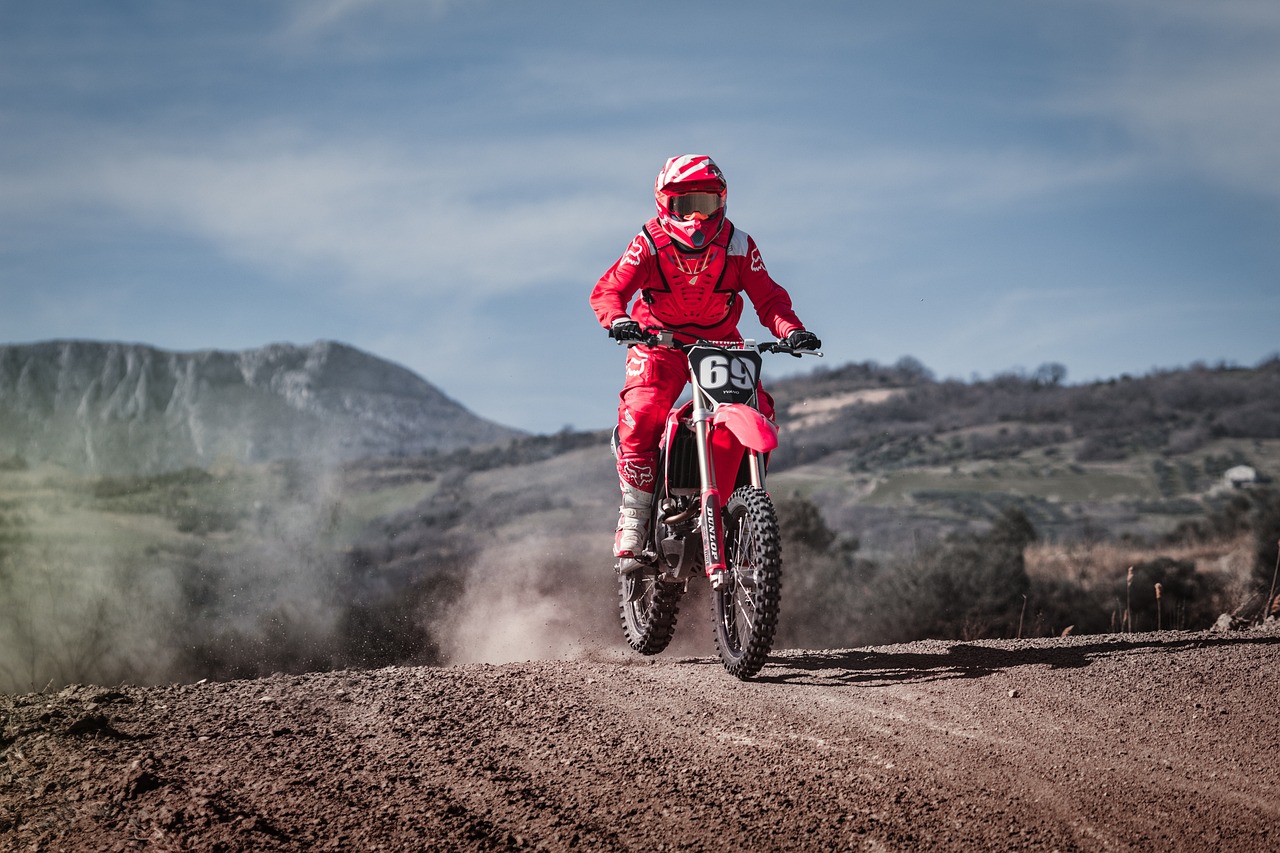
1. Start with the right motorcycle and gear
Choose a beginner-friendly motorcycle
A lightweight dual-sport or small-displacement off-road motorcycle is generally a sensible choice for beginners. Lighter bikes are easier to manoeuvre over uneven ground, while manageable power makes it easier to develop throttle control.
Seat height matters too. Choose a motorcycle that allows you to support yourself comfortably when stopping, without feeling overwhelmed by its weight.
Invest in protective gear
Falls are part of learning to ride off-road, so proper protective equipment is essential. Your kit should include:
- An approved off-road motorcycle helmet and suitable eye protection
- Sturdy motorcycle boots with ankle support
- Knee and elbow protection, plus body armour
- Protective gloves and durable riding clothing
- A small pack containing water, basic tools and a tyre repair kit
Good-quality equipment is worth the investment, particularly when you’re still developing your skills.
2. Get comfortable with your riding position
Learn to stand on the footpegs
Standing on the footpegs helps you maintain control over rough terrain, allowing the motorcycle to move beneath you while your legs absorb bumps.
Keep your knees slightly bent, elbows relaxed and weight balanced over the footpegs. Avoid gripping the handlebars too tightly, and practise moving between sitting and standing as the terrain changes.
Look where you want to go
Beginners often focus on obstacles immediately in front of them, but looking further ahead makes it easier to choose a safe route.
Rather than staring at a rock or rut, focus on the clear path around it. This gives you more time to anticipate hazards and adjust your speed.
3. Practise smooth throttle, clutch and brake control
Loose surfaces demand a gentler approach than riding on tarmac. Sudden acceleration can cause the rear wheel to lose traction, while abrupt braking or steering can unsettle the motorcycle.
Practise applying the throttle progressively, using both brakes smoothly and slowing down before entering corners.
Clutch control is particularly useful for tight turns, climbs and slow-speed manoeuvres. Selecting an appropriate gear also helps you maintain control without delivering more power than necessary.
Before tackling challenging terrain, practise these techniques in a safe, permitted area. An introductory off-road riding course can also help you develop good habits from the outset.
4. Choose easy trails and ride with others
Wide gravel tracks and gentle dirt trails are ideal for building confidence. Leave steep, rocky or deeply rutted routes until you’ve mastered the basics, and always check that motorcycles are legally permitted on your chosen route.
Once you’ve gained some experience, a Rajasthan motorcycle tour offers an exciting opportunity to explore desert landscapes and historic forts. More experienced riders might eventually consider a motorcycle trip in the Himalaya, where mountain roads and changing conditions present additional challenges.
Whenever possible, ride with someone more experienced who can offer guidance and help if something goes wrong.
A few simple precautions can make group rides safer:
- Agree on the route and stopping points beforehand.
- Match the pace of the least experienced rider.
- Leave enough space between motorcycles to avoid dust and flying stones.
- Tell someone at home where you’re going and when you expect to return.
Remember, there’s no shame in choosing an easier route or turning back if conditions become too difficult.
5. Learn to read different types of terrain
Every off-road surface presents its own challenges, so learning to recognise changing conditions is an important skill.
Sand: Maintain smooth throttle inputs and a relaxed grip. Avoid sudden steering or braking movements that could unsettle the motorcycle.
Mud: Reduce your speed, steer gently and avoid abrupt changes of direction. If the ground looks particularly slippery or deep, assess whether it’s safe to continue.
Rocks and roots: Look ahead, choose a manageable line and approach obstacles at a controlled speed. Standing on the footpegs can help absorb bumps.
Water crossings: Never assume a crossing is safe. Check the depth, current and surface conditions, and avoid crossing if you’re uncertain.
These skills become particularly valuable on adventurous routes such as a high-altitude Leh Ladakh motorcycle trip, where loose gravel, mountain tracks and occasional stream crossings can form part of the experience.
6. Develop good safety habits
A few minutes spent checking your motorcycle before setting off can prevent problems later.
Inspect your tyres, brakes, chain, fluid levels and fuel supply. Tyre pressures may need adjusting for different surfaces, but always follow the manufacturer’s guidance.
Carry a charged phone, basic first-aid supplies and an offline map, particularly when riding in remote areas.
It’s also important to recognise when you’re getting tired. Off-road riding can be physically demanding, so take regular breaks, stay hydrated and avoid pushing yourself beyond your limits.

Learning to ride off-road opens up a whole new world of motorcycling adventures, from quiet countryside trails to remote mountain landscapes.
The key is to start small, wear suitable protective equipment and give yourself time to develop your skills. With patience and practice, those initially intimidating dirt tracks can become some of the most enjoyable places to ride.
Once you’ve gained sufficient experience, you might feel ready to explore guided motorcycle tours in India with Brahmand Tour, combining spectacular scenery with organised routes and local support.
Frequently asked questions
What are the most important trail riding tips for beginners?
Start with a manageable motorcycle, wear appropriate protective gear, practise smooth throttle and brake control, and look ahead when choosing your route. Begin with easy trails and gradually build your confidence.
Is trail riding difficult for beginners?
It can feel challenging initially because loose surfaces behave differently from tarmac. However, regular practice and appropriate training can help beginners become more comfortable.
What motorcycle is best for a first-time trail rider?
A lightweight dual-sport or small off-road motorcycle with manageable power and a comfortable seat height is generally a sensible starting point.
Do beginners need full protective gear?
Yes. Even low-speed falls can cause injuries, so an approved helmet, suitable boots, gloves, body armour and protective riding clothing are essential.
Have you tried off-road motorcycling, or are you planning your first trail riding adventure? I’d love to hear about your experiences, favourite routes and any tips you’d share with fellow beginners. Leave a comment below!