
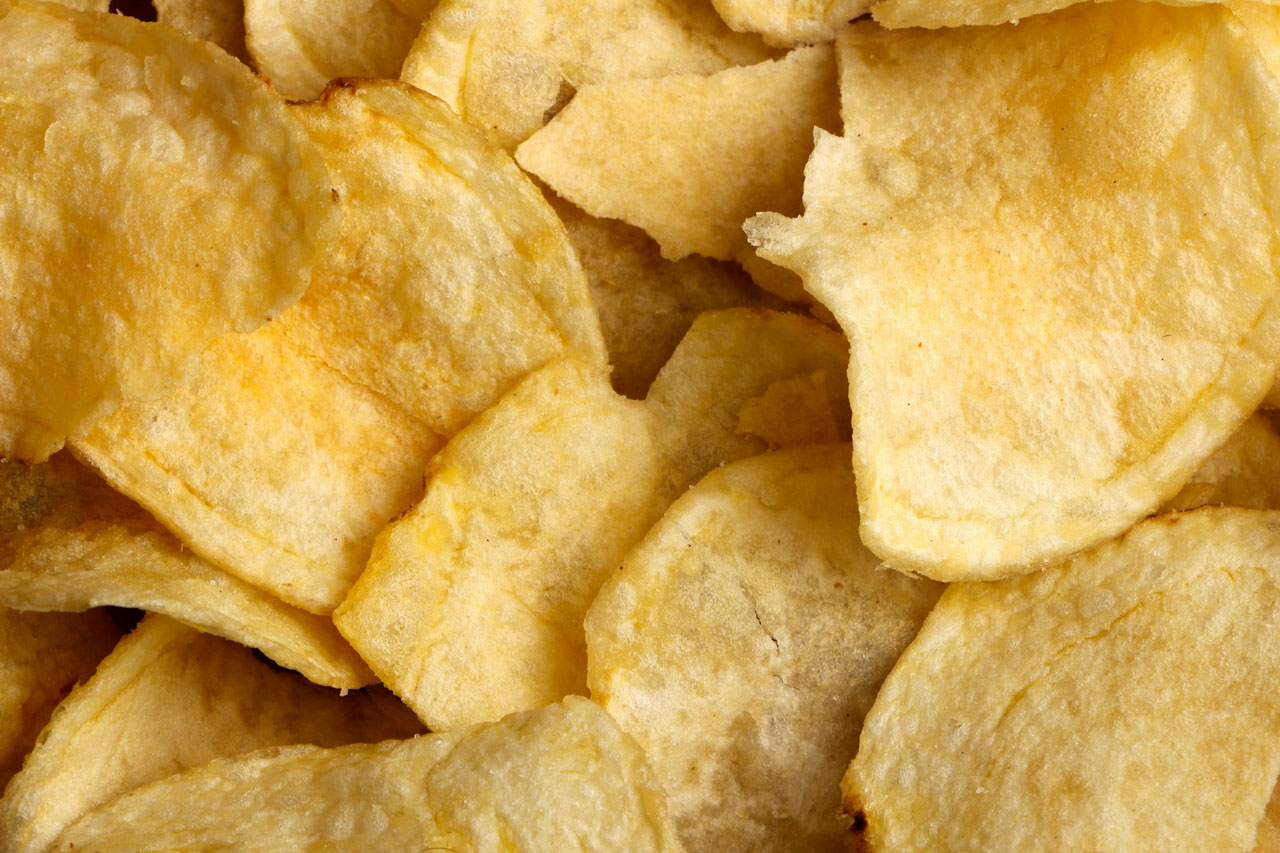
The best keto snacks to buy in the UK tend to fall into six main groups: savoury crisps, keto bars, sugar-free chocolate, sugar-free sweets, gummies and konjac jelly. Portion-sized bags of crisps are among the easiest to compare, while chocolate and bars require a closer look at the label.
That matters because a ‘keto’ sticker alone does not necessarily guarantee a low carb count. Sugar-free, low-carb and keto are three different claims, while pack and serving sizes can vary considerably.
Why not every low-carb snack is actually keto
A snack can say ‘low carb’ on the front and still contain more carbohydrate per pack than you might expect. The front of the pack is marketing; the back is where the numbers live.
The first thing to look out for is hidden starch. Some low-carb crisps and bars replace sugar but retain a base of rice flour, potato starch or tapioca, which adds carbohydrate without contributing any noticeable sweetness.
The second consideration is sugar alcohols. Sweeteners like maltitol, erythritol and xylitol, grouped together as polyols, allow a bar to taste sweet with little or no sugar on the label. Under UK labelling rules, polyols are counted within the carbohydrate total, and some packs list them separately underneath. Maltitol behaves much more like sugar than erythritol does, which is why many keto shoppers read the ingredients list as closely as the nutrition panel.
The third consideration is serving size. A figure given per portion can look very different once you realise the bag contains two portions – especially if you’re unlikely to stop halfway.
What to check on the label before buying keto snacks
Start with the carbohydrate content per pack, rather than per 100g. UK snack packs range from small 30g bags to 250g jars, so a per-100g figure is only useful once you know how much of the pack you’re likely to eat in one go.
UK retailers like BeKeto usually print a carb figure per pack or serving on their keto snacks listings. This makes it easier to compare, say a 30g bag of Keto Chips containing 4.3 to 6g of carbohydrates with a 40g bar containing MCT oil and 3.6 to 4.7g net carbs. What a product listing doesn’t always show is the polyols figure, however, so check the nutrition panel and ingredients list for sugar alcohols before ordering a box.
Next, look for the polyol warning. When a product contains more than 10% added polyols, the label must state that excessive consumption may produce laxative effects. That line is easy to miss in the small print, but it gives you an indication of how much of the sweetness comes from sugar alcohols. It’s also a useful way to distinguish between two bars that might look almost identical on the front.
Then, check the protein and fibre per pack. On a UK label, fibre is listed separately from carbohydrate, so the carbohydrate line is already close to what keto shoppers often refer to as net carbs. Protein content can vary considerably between a crisp made from a protein base and a chocolate bar built around fat.
Finally, read the ingredients in order. The first three will usually give you a good idea of what the snack is primarily made from – whether that’s nuts, cheese, seeds and plant protein, or flour and starch.
Best keto snack categories to buy in the UK
From savoury crisps and bars to chocolate and sweets, here’s what to consider when comparing some of the most common types of keto snacks.
1. Savoury crisps
Portion-sized bags of keto crisps can be particularly convenient, as you know exactly how much you’re eating without having to weigh out a serving. As an example, BeKeto’s Keto Chips come in 30g bags for £2.69, with flavours including Spicy Cheese, Spicy Oriental, Fresh Red Paprika, and Swiss Cheese and French Onion. Each pack lists 107 to 110 kcal and between 4.3 and 6g of carbohydrates.
When comparing keto crisps, check the carbohydrate content of the entire bag as well as the ingredients used to create the crisp itself.
2. Keto bars
Keto bars can be useful for travelling or keeping in your bag when you need a convenient snack, but nutritional values can vary considerably between flavours and brands.
For example, BeKeto’s 40g bars cost between £2.69 and £3.19 each. Some flavours list 11 to 13g of fat from MCT, 7.4 to 7.9g of plant protein and 3.6 to 4.7g net carbs per bar, while others have a different nutritional profile.
Rather than assuming every bar within a particular range is similar, compare the carbohydrate, protein and polyol content of individual flavours.
3. Sugar-free chocolate
Sugar-free chocolate may seem like an obvious choice for a keto diet, but ‘sugar-free’ doesn’t automatically mean low in carbohydrates, making the nutrition label particularly important.
BeKeto’s Vegan Keto Chocolate with MCT oil, for example, comes in 80g bars for £3.99 and lists 1.1 to 3.2g net carbs per serving, depending on the flavour. Its 130g Keto Dubai Chocolate with pistachio and kadaif costs £11.90 and lists 2.9g net carbs per serving.
Pay particular attention to serving sizes and polyols when comparing sugar-free chocolate, rather than relying solely on the sugar content.
4. Sugar-free sweets
Sugar-free sweets can satisfy a sweet craving without added sugar, but they’re another category where portion sizes and sweeteners deserve a closer look.
BeKeto’s Keto Candy, for example, comes in 70g bags for £3.19, in Toffee and Mix of Fruits flavours, with 32 to 33 kcal per serving.
Check how many servings are contained in each bag and which sweeteners are used, particularly if you’re likely to eat more than one portion at a time.
5. Gummies
Keto gummies vary considerably, with some designed simply as sweets and others containing additional ingredients or supplements. This can also make them considerably more expensive than conventional keto snacks.
BeKeto’s Mixed Berries Keto Gummies with Creatine, for example, cost £17.90, list 18 kcal per serving and contain no added sugar.
If you’re considering gummies, compare the number of servings in the pack alongside the price, carbohydrate content and any additional ingredients to decide whether they offer good value for you.
6. Konjac jelly
Konjac jelly can be a lighter alternative to more traditional sweet snacks and is often sold in individual pouches, making portion sizes easy to monitor.
BeKeto’s Diet Jelly Konjac comes in 150g pouches for £2.49, containing between 6 and 20 kcal per pack depending on the flavour.
As with other keto snacks, check the carbohydrate content and sweeteners used. It’s also worth looking at storage instructions, as some konjac jelly products are best served chilled.Snacking without breaking ketosis
The label is the most reliable guide here because ‘keto’ on the front of a pack is not a defined legal term in the UK. How many net carbs is too many for one snack will depend on the daily carb allowance you’ve set yourself, so compare the per-pack figure with your own allowance rather than relying on a figure you’ve seen elsewhere.
Is sugar-free the same as keto? No. ‘Sugar-free’ on a UK label means the product contains no more than 0.5g of sugars per 100g. A sugar-free product can still contain flour, starch or polyols that contribute carbohydrate. ‘No added sugar’ is different again: it means no sugar has been added, even if some occurs naturally in the ingredients. Checking the carbohydrate figure on the nutrition label will give you a clearer picture.
Across the categories above, BeKeto’s figures give an idea of just how much products can vary – from around g net carbs per serving of chocolate, to around 6g in a bag of crisps. It’s worth giving products from other brands the same careful check before buying.
Which keto snack has earned a place in your cupboard or travel bag? Let me know in the comments.