
Exploring a new destination by bike is a wonderful way to discover places you might otherwise miss. From winding streets and scenic waterfronts to hidden cafés and panoramic viewpoints, cycling gives you the freedom to explore at your own pace.
But is it best to hire a traditional bicycle, or opt for an electric bike?
While a regular bike is often perfectly suited to shorter, flatter routes, an electric bike or ‘e-bike’ can make travelling longer distances, steeper hills and challenging terrain much easier to manage. Ultimately, the best choice depends on your destination, the route you have planned and how much time you want to spend cycling.
Here’s what to consider before setting off on your next two-wheeled adventure.
Consider how much cycling you’ll actually do
A full day of sightseeing doesn’t necessarily mean spending hours in the saddle.
You might have six hours to explore a city, but only spend 90 minutes cycling between attractions. The rest of your time could be devoted to visiting museums, browsing local markets, enjoying a leisurely lunch or wandering through historic neighbourhoods.
For this kind of itinerary, a regular bicycle may be all you need, particularly if the route is relatively flat and the attractions are close together.
However, it’s worth looking beyond the total distance. Several short journeys with breaks in between can feel very different from tackling a long, uphill ride at the end of the afternoon.
Consider the return journey, too. That scenic hilltop viewpoint might seem appealing first thing in the morning, but the prospect of another steep climb after several hours of exploring could make electric assistance particularly welcome.
When it might be worth choosing an electric bike
One of the biggest advantages of an electric bike is the extra assistance it provides when pedalling, helping you tackle more demanding routes without becoming quite so tired.
This can be particularly useful when sightseeing in destinations with steep streets, hilly neighbourhoods or attractions spread across a wider area.
Electric assistance can also make a noticeable difference when cycling into a headwind or tackling several climbs throughout the day. Rather than worrying about conserving your energy for the journey back, you can focus on enjoying the places you’re visiting.
It’s also worth considering who you’re travelling with. If one person is a keen cyclist while another prefers a more leisurely ride, an e-bike can help bridge the difference in fitness levels or cycling preferences.
Of course, electric assistance doesn’t mean you have to travel further or faster. The real advantage is having greater flexibility over how much effort you put into the journey.
You’ll still need to steer, brake and navigate safely, particularly in busy pedestrian areas or unfamiliar streets.
Comfort and practicality matter, too
When sightseeing by bike, you’ll probably be stopping and starting frequently. Whether you’re pulling over to admire a view, parking outside a café or navigating a busy town centre, your bicycle should feel comfortable and easy to handle.
Before hiring a bike, check that the frame is the right size and that you can comfortably reach the handlebars and brakes.
If possible, take a short test ride to familiarise yourself with the controls, particularly if you’re trying an electric bike for the first time.
Pay attention to how smoothly the motor assistance engages, how the bike handles at slower speeds and whether you feel confident stopping and turning.
Weight is another consideration. Electric bikes are generally heavier than traditional bicycles, which can make them less convenient if you need to carry one upstairs, lift it over obstacles or manoeuvre it through narrow entrances.
Some models feature walk-assist functions to make pushing the bike easier, although this won’t help when you need to lift it.
If you’re hiring an e-bike, remember to check the battery charge before leaving. Make sure there’s enough power for your planned route, including the return journey, with a little extra in reserve.
Is an electric bike worth the extra cost?
Electric bikes typically cost more to hire than regular bicycles, so it’s worth considering whether the additional expense will genuinely improve your sightseeing experience.
Start by comparing rental prices for the same period, taking into account any included equipment, return times and additional charges.
If you’re planning to explore a hilly destination or cover a considerable distance between attractions, paying a little more for electric assistance could be worthwhile.
On the other hand, if you’re spending most of the day exploring on foot and only cycling short distances along flat streets, a traditional bike could be the more economical choice. You could put the money you save towards a memorable meal, museum admission or another experience during your trip, for example.
If you enjoy cycling while travelling and are considering buying a bike for regular use at home, hiring different models can also be a useful way to discover what suits you best before making a bigger investment.
Choosing the right bike for your sightseeing adventure
Ultimately, there’s no single right answer when deciding between an electric bike and a regular bicycle.
If you enjoy cycling, feel comfortable tackling the planned route and expect to make plenty of stops along the way, a traditional bike may be the ideal choice.
However, if your itinerary involves steep hills, longer distances or a demanding return journey, an e-bike could make exploring more comfortable and enjoyable.
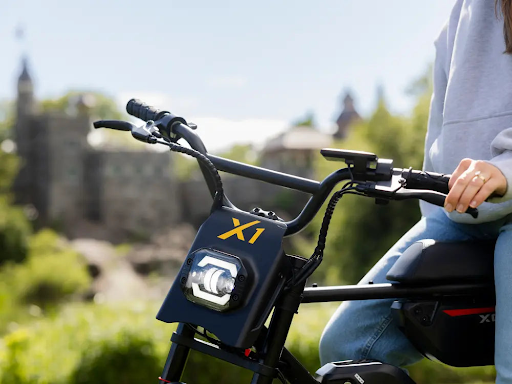
For those considering purchasing a city electric bike for travelling in the US, the Macfox X1S is just one option to explore. Featuring front suspension and a thumb throttle, it’s designed to offer additional comfort over uneven surfaces, with the option of requesting motor power through the throttle. As with any electric bike, it’s worth taking a test ride to see how it handles and checking the local regulations governing where it can be used.
Whichever type of bike you choose, take a few minutes to familiarise yourself with the controls, check your planned route and make sure cycling is permitted on the roads and paths you intend to use.
Most importantly, remember that sightseeing isn’t about covering the greatest distance or reaching every attraction on your itinerary. It’s about enjoying the journey, discovering somewhere new and having the freedom to stop whenever something catches your eye.
Do you prefer exploring somewhere new on a traditional bicycle, or would you choose an electric bike for a little extra assistance? Share your thoughts in the comments below.