
While an electric bike with wide tires might look ready for anything, but do you really need four-inch tyres for everyday riding? If most of your journeys involve roads and cycle paths, wider isn’t necessarily better. On gravel, sand or rough trails, however, tyre choice can make a noticeable difference.
Fat tyre electric bikes are generally better suited to soft, uneven terrain, while regular-width tyres tend to be more practical for everyday use. Here’s how they compare.
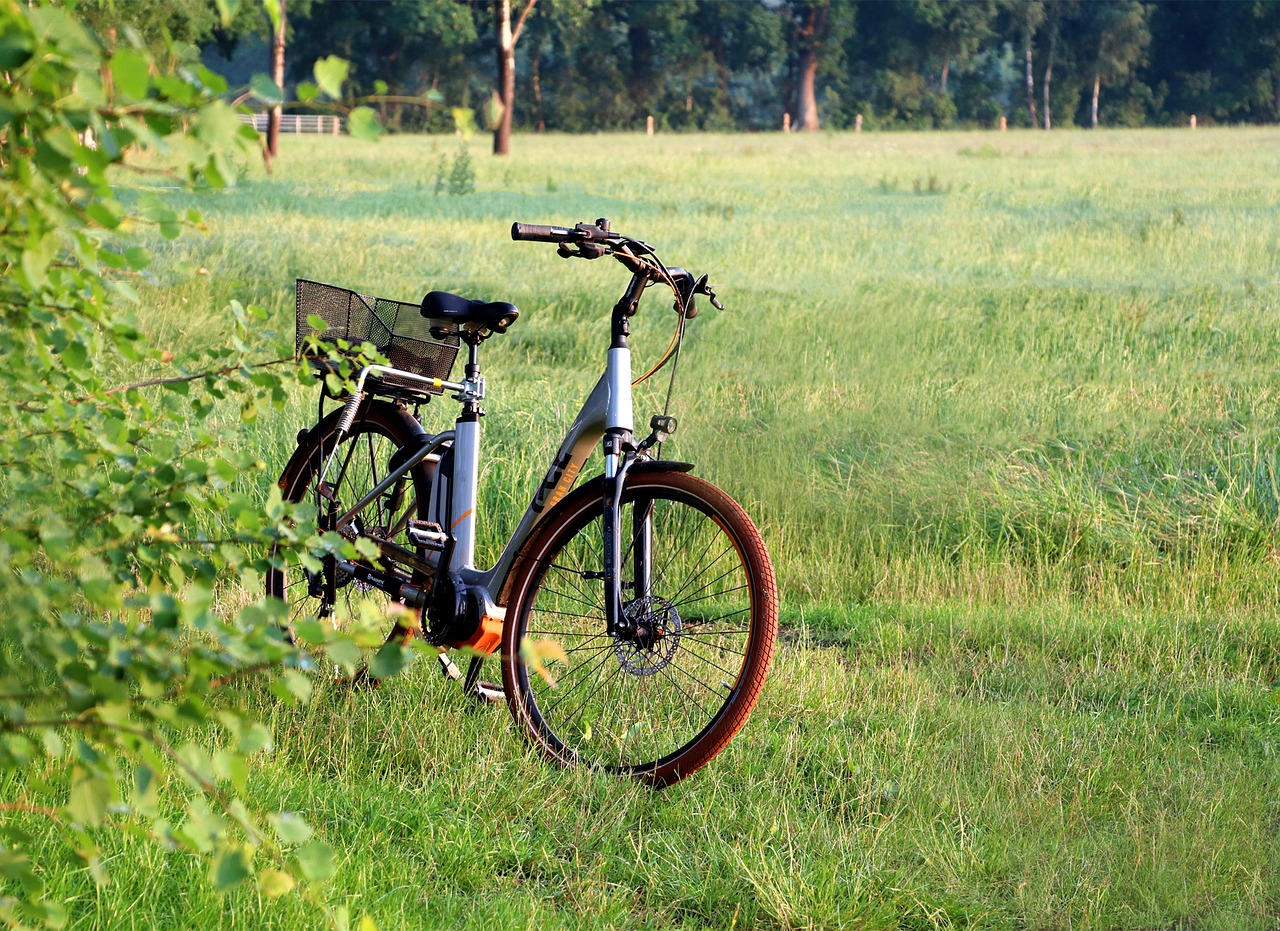
What’s the difference between fat tyres and regular electric bike tyres?
Fat tyres typically measure four inches or more, while regular electric bike tyres come in various sizes, from narrow commuter tyres to wider cruiser and mountain bike options.
Fat tyres can often run at lower pressures, helping them to absorb bumps and maintain traction on loose surfaces.
| Feature | Fat tyres | Regular tyres |
|---|---|---|
| Typical width | 4 inches or wider | Usually 1.5–2.5 inches |
| Best surfaces | Sand, snow, loose gravel | Roads, cycle paths, firm gravel |
| Comfort | Greater cushioning | Depends on tyre and pressure |
| Handling | Heavier, less responsive | Generally lighter and easier |
| Maintenance | Larger, potentially costlier tyres | More common replacement sizes |
Performance also depends on tread, construction and inflation pressure, not just width.
Are fat tyres better for different road conditions?
The best choice depends largely on where you ride.
Paved streets and cycle paths
Regular-width tyres are usually ideal for tarmac, offering responsive handling without unnecessary weight. Fat tyres can soften bumps on poorly maintained roads, but aggressive off-road tread may create extra noise and vibration.
Gravel roads and uneven trails
Wider tyres offer better flotation and cushioning on loose gravel. However, for maintained gravel paths, tyres measuring 2.0–2.5 inches may be adequate.
Choose fat tyres for regularly tackling rough, loose terrain rather than occasional gravel tracks.
Sand and snow
This is where fat tyres really come into their own. Their larger air volume allows lower pressures, helping them travel over soft surfaces without sinking as easily.
However, deep snow, ice and wet sand can still be difficult or unsafe, regardless of tyre width.
Wet roads and slippery surfaces
Wider doesn’t automatically mean safer. Wet-weather grip depends on tyre compound, tread, pressure and road conditions.
Good-quality regular tyres can perform well on wet tarmac, while icy conditions may require specialist studded tyres or avoiding the journey altogether.
Do fat tyres make an electric bike slower?
Fat tyres can make acceleration feel slower because the wheels are often heavier. However, width alone doesn’t determine rolling resistance.
On smooth roads, appropriate tyre pressure helps maintain efficiency. On rough terrain, lower pressure can sometimes improve performance by allowing tyres to absorb surface irregularities.
As tyre manufacturer Schwalbe explains, construction, tread and pressure all influence rolling resistance. A smooth 2.35-inch cruiser tyre may therefore behave very differently from a heavily treaded four-inch fat tyre.
Do fat tyres reduce electric bike battery range?
Potentially. Heavier tyres, aggressive tread and unsuitable pressures can increase energy consumption, although speed, terrain, wind, rider weight and motor assistance also affect how far an electric bike will go before the battery runs out.
For example, consider a 720Wh battery:
| Energy consumption | Estimated range |
|---|---|
| 12 Wh/mile | 60 miles |
| 15 Wh/mile | 48 miles |
| 18 Wh/mile | 40 miles |
These are illustrative calculations, not measured differences between tyre types.
For mainly paved journeys, efficient tyres may help maximise range. On loose surfaces, however, additional traction could be more valuable.
Which tyre type feels more comfortable?
Fat tyres generally provide more cushioning because their greater air volume allows lower operating pressures.
However, suspension, saddle design, riding position and tyre construction also influence comfort.
A cruiser with 2.35-inch tyres and a suspension seatpost can feel comfortable on tarmac without requiring four-inch tyres. Fat tyres become more beneficial when riding frequently over rough or uneven ground.
How should you adjust tyre pressure for different roads?
Correct tyre pressure improves handling, grip and comfort. Too much pressure can make the ride harsh, while too little risks poor handling and rim damage.
| Riding conditions | Pressure considerations |
|---|---|
| Smooth roads | Suitable pressure for stable, efficient rolling |
| Rough roads | Slightly lower pressure may improve comfort |
| Loose gravel | Balance grip with rim protection |
| Sand or snow | Lower pressure may improve flotation |
| Heavy loads | Adjust pressure to support additional weight |
There’s no universal PSI recommendation, however. Always follow the tyre and rim manufacturers’ permitted limits and check pressure with an accurate gauge.
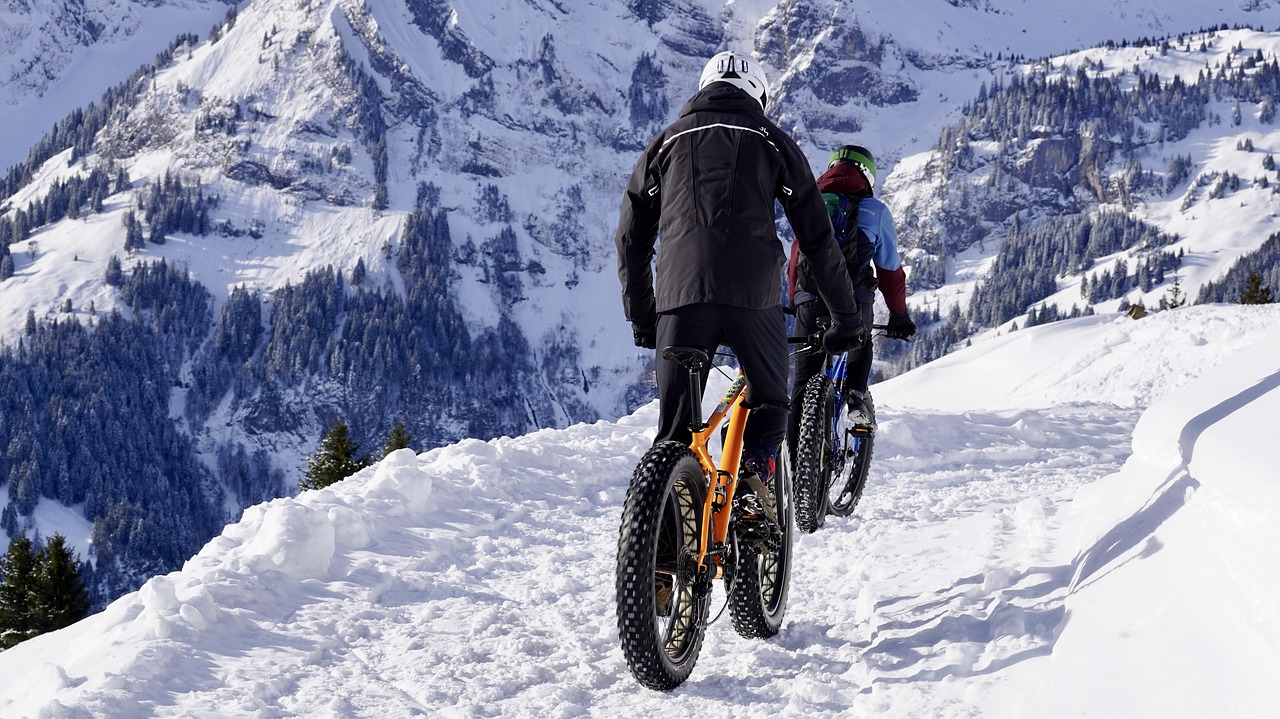
Leoguar Fastron vs. Zephyr: Which fits your riding style?
Comparing two Leoguar electric bikes illustrates how tyre choice affects everyday riding.
The Leoguar Fastron Fat Tire Electric Bike features four-inch Vee tyres for varied terrain, while the Leoguar Zephyr Beach Cruiser Electric Bike uses 2.35-inch Schwalbe Fat Frank tyres for relaxed cruising.
| Feature | Leoguar Fastron | Leoguar Zephyr |
|---|---|---|
| Tyres | 26 × 4.0-inch Vee | 26 × 2.35-inch Schwalbe |
| Motor | 750W, 85Nm | 500W, 60Nm |
| Battery | 720Wh | 720Wh |
| Advertised range | Up to 60 miles | Up to 60 miles |
| Suspension | Front fork | Suspension seatpost |
| Weight | 70 lb | 58 lb |
| Best suited to | Mixed terrain | Everyday cruising |
When your routes go beyond tarmac
The Fastron’s wide tyres and front suspension help absorb bumps and maintain traction on gravel and uneven trails.
Its 750W motor provides 85Nm of torque, supporting acceleration and climbing. However, at 70 lb, it’s relatively heavy to lift, transport or store.
Note for UK readers: UK regulations generally limit electrically assisted pedal cycles (EAPCs) to a maximum continuous rated motor power of 250W, with electrical assistance cutting off at 15.5mph. The Leoguar models featured above have advertised motor ratings of 500W and 750W, so they may not qualify as standard road-legal EAPCs in the UK. Always check the relevant regulations before purchasing or riding an electric bike on public roads.
When comfort on tarmac matters most
The Zephyr prioritises relaxed road riding, with swept-back handlebars, a padded saddle and suspension seatpost.
At 58 lb, it’s 12 lb lighter than the Fastron, making it more manageable for everyday use.
Although both advertise ranges of up to 60 miles, differences in motors and testing conditions mean these figures aren’t directly comparable.
How to choose the right electric bike tyres
Before buying, think about your regular journeys rather than the toughest terrain you might occasionally encounter.
- Consider your usual surfaces. Are you mainly riding on tarmac, gravel or rough trails?
- Balance comfort and handling. Wider tyres cushion bumps, while lighter wheels often feel more responsive.
- Check the bike’s weight. Fat tyre models can be harder to lift and store.
- Think about maintenance. Compare replacement tyre availability, compatibility and cost.
- Prioritise practical needs. Choose tyres for the conditions you encounter most frequently.
Match your tyres to your roads
Fat tyres aren’t automatically better, and narrower tyres aren’t necessarily faster. The best option depends on your usual riding conditions.
For loose gravel, sand and rough trails, fat tyres offer valuable cushioning and flotation. For roads and cycle paths, regular-width tyres often provide a lighter, more responsive ride.
Consider the terrain, comfort, efficiency and overall bike design before deciding.
FAQ
Are fat tyre electric bikes good for commuting?
Yes, especially on rough roads or gravel. However, regular-width tyres are often more practical for smooth urban routes.
Are fat tyres better on tarmac?
Not necessarily. They can improve cushioning, but regular tyres generally offer lighter handling. Performance depends on construction and pressure.
Do fat tyre electric bikes use more battery?
They can, particularly with heavier wheels or aggressive tread. However, terrain, speed and motor efficiency also affect range.
Can regular electric bike tyres handle gravel?
Yes. Suitable regular-width tyres can handle firm gravel and maintained trails, although loose surfaces may benefit from wider tyres.
Can I replace regular tyres with fat tyres?
Usually not. Four-inch tyres require compatible rims, frame and fork clearance. Always check manufacturer specifications before changing sizes.
Would you choose fat tyres for off-road adventures or regular tyres for everyday riding? Share your thoughts in the comments below.