
For thousands of years, the American bison has been a symbol of strength, resilience and survival. These magnificent animals once roamed the Great Plains and surrounding landscapes in vast herds, with historical estimates suggesting between 30 to 60 million bison once lived across North America.
However, widespread commercial hunting, habitat loss and government policies aimed at destroying the herds brought the species to the brink of extinction during the nineteenth century. By 1902, just 23 wild bison remained in Yellowstone National Park.
Thankfully, conservation efforts led by a number of individuals and organisations, including President Theodore Roosevelt, helped to protect the remaining animals and restore their populations.
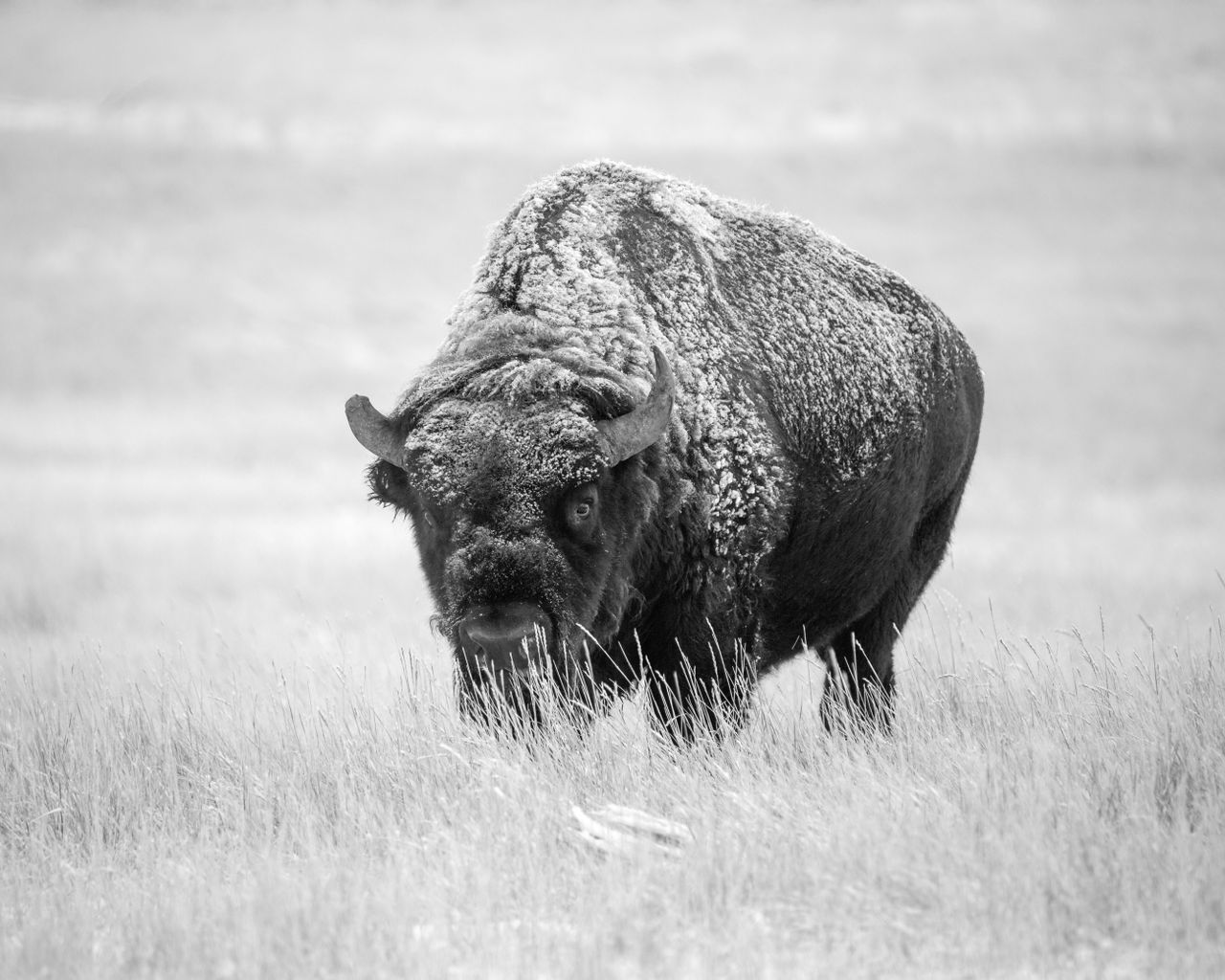
Today, hundreds of thousands of bison live across North America, although most are raised on private ranches and farms. Wild, free-ranging herds are comparatively rare, making their conservation all the more important.
It’s little wonder that the bison was officially recognised as the national mammal of the United States under the National Bison Legacy Act in 2016.
Today, these impressive creatures remain an enduring symbol of the American West. And if you know where to look, you might just spot a herd on your next adventure through Wyoming and beyond.
The great migration
Bison once roamed across vast stretches of North America, from California to Oklahoma and as far east as the Carolinas. The Great Plains, however, were their main stronghold, with expansive grasslands providing enough grazing to sustain enormous herds.
These animals travelled considerable distances in search of food, following seasonal grazing routes that eventually became well-worn trails across the landscape. Along the way, they navigated river crossings, rugged terrain and the extreme temperatures of the American West, from scorching summers to bitter winters.
Although their numbers declined dramatically during the nineteenth century, conservation efforts have since helped re-establish bison populations in protected areas, including Yellowstone and Theodore Roosevelt National Parks.
Today, wild bison continue to follow their natural instincts, moving between grazing areas as the seasons change. Their movements are largely dictated by the weather and availability of food, meaning the best places to spot them can vary throughout the year.
So, if you’re hoping to see these magnificent animals in the wild, knowing where and when to look can make all the difference.
Yellowstone bison
In Yellowstone National Park, bison are constantly on the move, with their movements largely dictated by the changing seasons and availability of food.
During winter, many head towards lower elevations and river valleys, where snowfall is lighter and grazing is easier. The Hayden and Lamar Valleys are among the best places to spot them, although sightings are possible throughout the park at different times of year.
As temperatures rise and the snow begins to melt, the herds gradually return to higher ground, where fresh vegetation provides plentiful grazing throughout spring and summer.
This seasonal migration has helped sustain Yellowstone’s bison population for thousands of years. In fact, Yellowstone is the only place in the United States where bison have lived continuously since prehistoric times.
Beyond their importance to the natural world, bison have also become an enduring symbol of the American West, featuring in everything from films and television programmes to online entertainment, including slot games such as Buffalo King Megaways.
Their association with the rugged, untamed landscapes of the American frontier has made them one of the country’s most iconic animals.
Other places to see bison in the US
It’s particularly fitting that Theodore Roosevelt National Park remains one of the best places to see bison in the wild today.
A passionate naturalist, Roosevelt championed wildlife conservation during his presidency, supporting the establishment of protected lands and wildlife refuges. Among these was the Wichita Mountains Wildlife Refuge in Oklahoma, which became home to a reintroduced bison herd in the early twentieth century.
Located in the dramatic Badlands of North Dakota, Theodore Roosevelt National Park is home to hundreds of bison, alongside elk, wild horses, prairie dogs and other wildlife. With its winding rivers, rugged canyons and sweeping views across the plains, it’s a wonderful place to experience the American wilderness, whether you’re exploring on foot or following one of the park’s scenic driving routes.
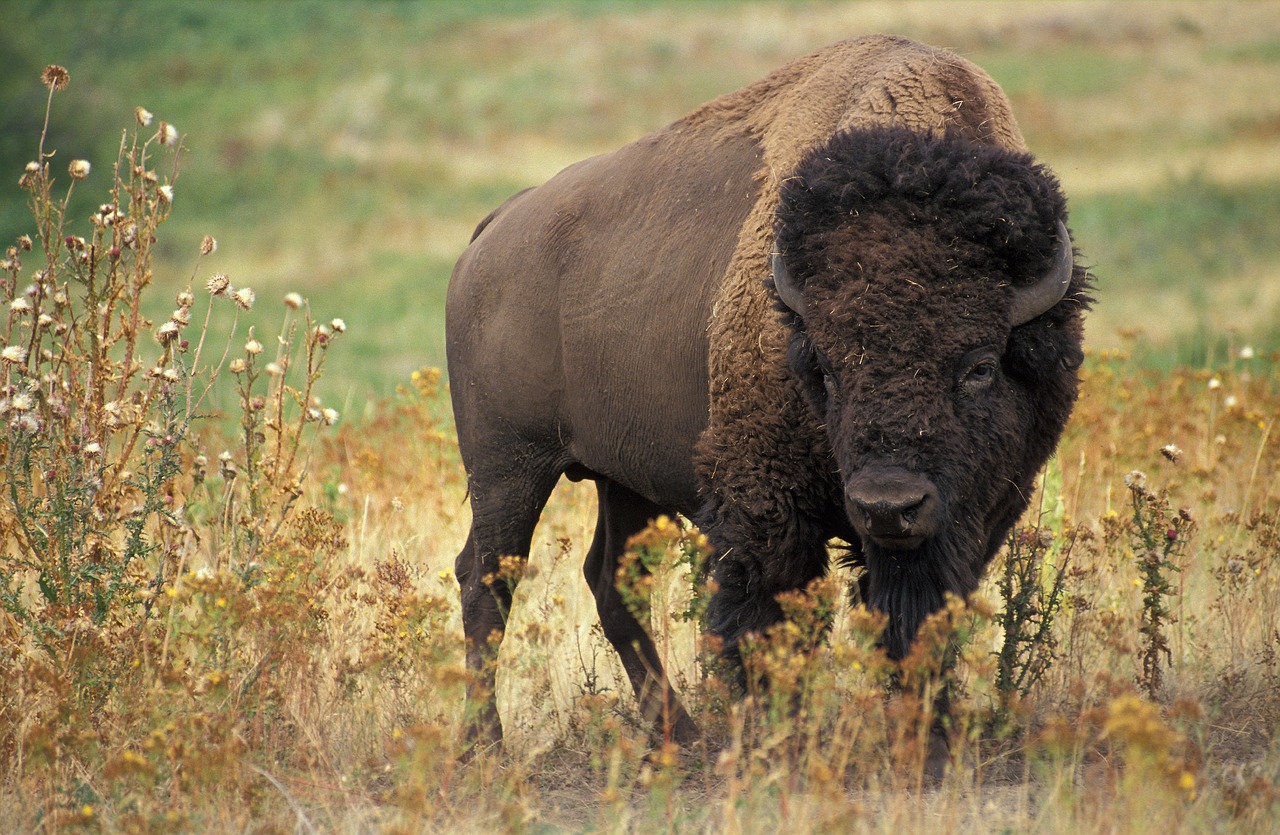
If you’re visiting Yellowstone, it’s also worth making time for nearby Grand Teton National Park in Wyoming. Covering approximately 485 square miles, the park is renowned for its snow-capped peaks, glacial lakes and spectacular mountain scenery. Bison can often be spotted grazing in its open valleys, particularly around Antelope Flats.
Grand Teton also tends to be quieter than Yellowstone, making it a worthwhile addition to a wildlife-focused road trip.
Further east, Wind Cave National Park in South Dakota offers another opportunity to see bison in their natural habitat. Although best known for its extensive underground cave system, the park also encompasses rolling prairies and forests, home to elk, pronghorn and herds of bison.
For a more remote adventure, consider the Henry Mountains in Utah. This rugged mountain range offers hiking, camping and the chance to encounter one of the country’s free-ranging bison herds. However, with few established trails and limited facilities, careful preparation is essential. Bring plenty of water, suitable clothing and reliable navigation equipment, and bear in mind that mobile phone coverage can be patchy.
Safety tips for spotting bison in the wild
Wherever you choose to explore, remember that bison are wild animals and should always be observed from a safe distance. In Yellowstone, visitors must stay at least 25 yards (23 metres) away, although keeping further back is advisable. A pair of binoculars or a telephoto lens will help you get a closer look without disturbing them.
And while it might be tempting to get closer for a photograph, it’s far better to admire these magnificent creatures from a safe distance as they roam freely through their natural habitat.
From the sweeping grasslands of Yellowstone to the rugged landscapes of North Dakota and Utah, following the American bison offers a fascinating way to discover the wildlife, history and natural beauty of the American West.
Have you ever spotted bison in the wild, or would you like to? Let me know in the comments!