
Somewhere in your family, there may be a collection of handwritten recipe cards, complete with butter stains, crossed-out measurements and vague instructions like “bake until done”. Passed down through generations, these recipes hold precious memories of family meals, celebrations and time spent together in the kitchen. Yet, without proper care, they could easily be lost or damaged over time.
Turning these treasured recipes into a family cookbook is a lovely way to preserve your family’s culinary heritage, ensuring that future generations can continue to enjoy the dishes that have brought everyone together over the years.
And the good news? Learning how to make a family cookbook is easier than you might think. From gathering and testing recipes to recording the stories behind them, this guide will walk you through the process of creating a personalised cookbook your family can enjoy, share and pass down for generations to come.
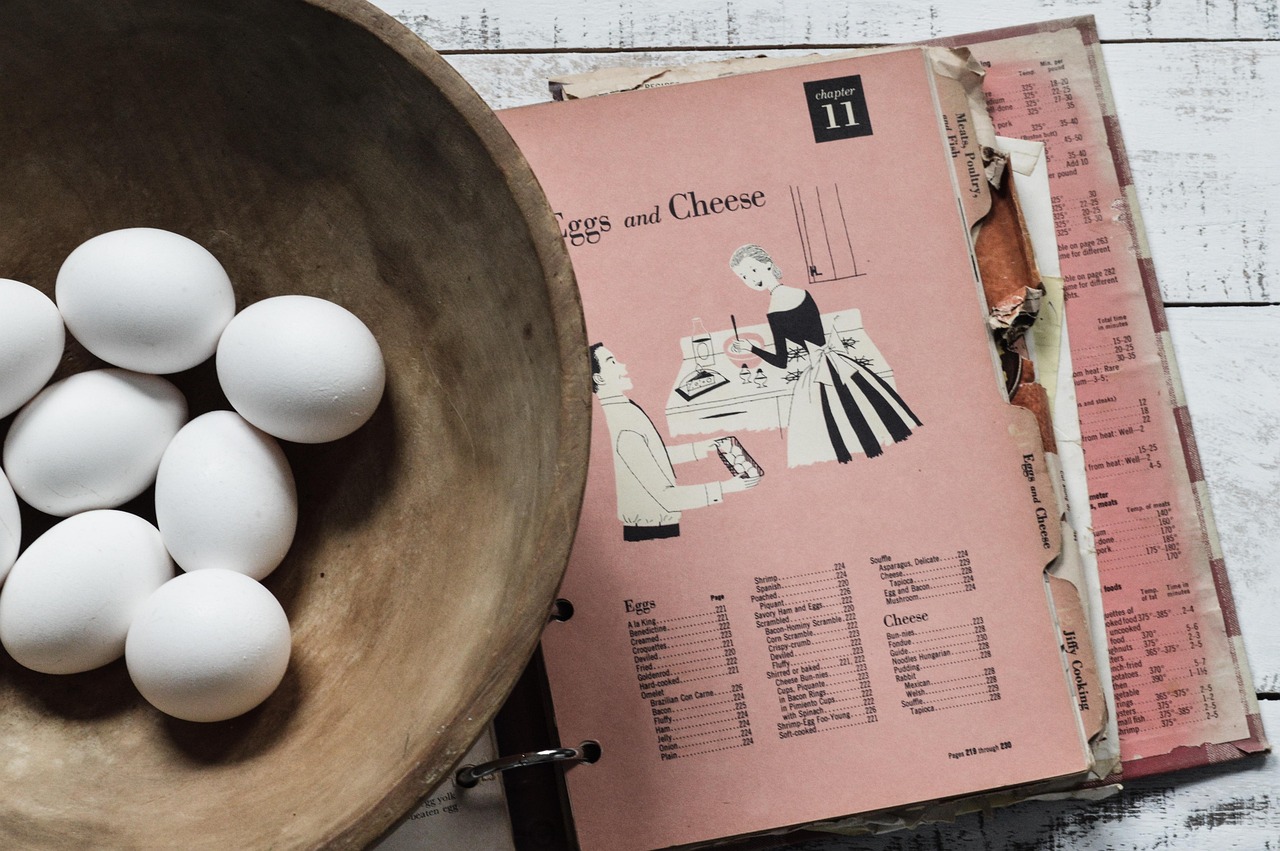
Choose a theme that shapes the book
Choosing a clear theme makes it easier to decide which recipes to include. While “Our Family Recipes” is a perfectly good starting point, a more specific foChoose a theme that shapes the book
Choosing a clear theme makes it easier to decide which recipes to include. While “Our Family Recipes” is a perfectly good starting point, a more specific focus can help give your cookbook a stronger sense of identity.
You might decide to dedicate the book to your grandmother’s much-loved recipes, bring together the dishes traditionally served at family celebrations, or collect the comforting, everyday meals you remember from childhood. Alternatively, you could focus on a particular type of cooking, such as treasured family baking recipes or dishes passed down through several generations.
If you have more recipes than your chosen theme can accommodate, you can always save the rest for a second volume.
Gather recipes from every corner of the family
Start by searching through old recipe boxes, folders and cookbooks, where handwritten notes and loose cards often hide between the pages. Ask relatives to check their own kitchens and send photographs of any recipes they find.
Remember that some family favourites may never have been written down. If your uncle is the only person you’d trust to make the Sunday roast, spend some time cooking with him and recording the process step by step.
Don’t overlook everyday staples, either. A homemade salad dressing or simple pasta sauce might not seem particularly special now, but these familiar flavours often hold the fondest memories.
Try to finish collecting your recipes before you begin designing the book. Tracking down missing ingredients or instructions halfway through the layout process can make things unnecessarily complicated.
Test every recipe before it goes in
The person who originally wrote a recipe card probably knew the dish by heart. Unfortunately, instructions like “a handful of flour” or “cook in a hot oven” aren’t particularly helpful to someone making it for the first time.
Test each recipe yourself and, if possible, ask someone unfamiliar with the dish to follow the instructions. Their questions can help identify missing steps or unclear measurements.
Rewrite each recipe with accurate ingredient quantities, cooking times, oven temperatures and serving sizes. Keep any useful family tips, too, such as using a cast-iron pan or allowing meat to rest after roasting.
There’s no need to test everything in one weekend. Spread the cooking over several weeks or months, and take the opportunity to photograph the finished dishes in natural daylight.
Record the stories behind the dishes
What makes a family cookbook special isn’t just the recipes themselves, but the memories attached to them.
A short note explaining who originally made a dish, where the recipe came from or when it was traditionally served can bring each page to life. Perhaps there’s a Christmas pudding everyone still talks about, or a birthday cake that appeared at every family celebration.
Keep a notebook nearby while testing recipes, or ask one person to cook while another takes notes and photographs.
For longer stories, consider recording conversations with relatives using your phone’s voice recorder and transcribing them later. Asking specific questions about a recipe’s origins or how it has changed over the years can uncover details you might otherwise miss.
Scan the original cards
Even after you’ve typed up every recipe, it’s worth preserving the original handwritten cards. Their familiar handwriting, faded ink and food stains are all part of your family’s history.
You could even include scans of the original cards alongside the typed recipes, so you can capture exactly how they were written down.
Photograph each card on a flat surface in soft, natural daylight, keeping your camera directly above it. Alternatively, use a flatbed scanner for sharper results. Give each file a descriptive name so you can easily match it to the corresponding recipe.
Once you’ve scanned everything, you’ll probably have a collection of individual JPG files. To create a digital archive that’s easy to store and share, you can use JPGtoPDF to convert JPG images to PDF, combining multiple images into a single document.
Keeping a digital copy also provides a useful backup if the original cards become damaged or the printed cookbooks eventually wear out.
Design pages that are easy to cook from
When deciding how to make a recipe book that looks polished and professional, take inspiration from cookbooks you already enjoy using. Your own bookshelf or local library can provide plenty of recipe book ideas, particularly when it comes to page layouts and photography.
The most important thing is to keep the design clear, consistent and practical.
A few simple design tips include:
- Choose two complementary fonts: A serif font can work well for family stories, while a clean sans-serif font makes recipes easy to follow.
- Keep photo placement consistent: For example, use a horizontal photograph at the top of each recipe page.
- Stick to a limited colour palette: Neutral colours often work particularly well alongside food photography.
- Include page numbers and a contents page: These make it easier for relatives to find their favourite dishes.
It’s also worth choosing your printing company before you begin designing. Different printers have specific requirements for page sizes, margins and file formats, so knowing these in advance can save time later.
If you’re ordering several copies for family members, ask about bulk discounts. Print-on-demand services may be more economical if you only need one or two books.
Before sending your cookbook to print, read through every page carefully, ideally more than once. Ask another family member to proofread it too, as a fresh pair of eyes can often spot mistakes you’ve overlooked.
Pay particular attention to ingredient quantities, cooking temperatures and instructions. A missing measurement can make a much bigger difference than a simple spelling mistake.
Export your finished design in the format requested by your printer, usually a high-resolution PDF. Check whether images extending to the edge of the page require bleed, and replace any photographs that aren’t sharp enough for printing.
Once your cookbooks arrive, consider writing a personal dedication inside each copy. You could even organise a family dinner featuring dishes from the book to celebrate its completion.
If you’re creating the cookbook as a Christmas present or family reunion gift, allow a few extra weeks for printing and delivery.
A family keepsake for generations to come
A family cookbook is about much more than preserving a collection of recipes. It’s a way of keeping family traditions, memories and culinary knowledge alive for future generations.
By gathering and testing recipes, recording the stories behind them and preserving the original handwritten cards, you can create something that’s both practical and deeply personal.
And perhaps, years from now, your grandchildren will be cooking from the same recipes, adding their own notes and creating new memories along the way.
Have you inherited any treasured family recipes, or are you thinking of creating your own family cookbook? I’d love to hear about the dishes that have been passed down through your family. Share your stories in the comments below!