
There’s something deeply fulfilling about preparing a meal using ingredients you’ve grown yourself. Whether it’s the crisp crunch of a freshly pulled carrot, the sweetness of a ripe tomato, or the earthy flavour of a homegrown beetroot, produce from your own garden carries a sense of pride and connection that shop-bought alternatives simply can’t match.
For those interested in a more self-sufficient way of living, growing your own food is a great place to begin. It’s easier than it might seem, even if you’re working with limited space or little experience. With just a small area of soil or a few containers on a windowsill, and the right vegetable Seeds, you can get started on the path to growing and enjoying your own produce at home.
Choosing what to grow
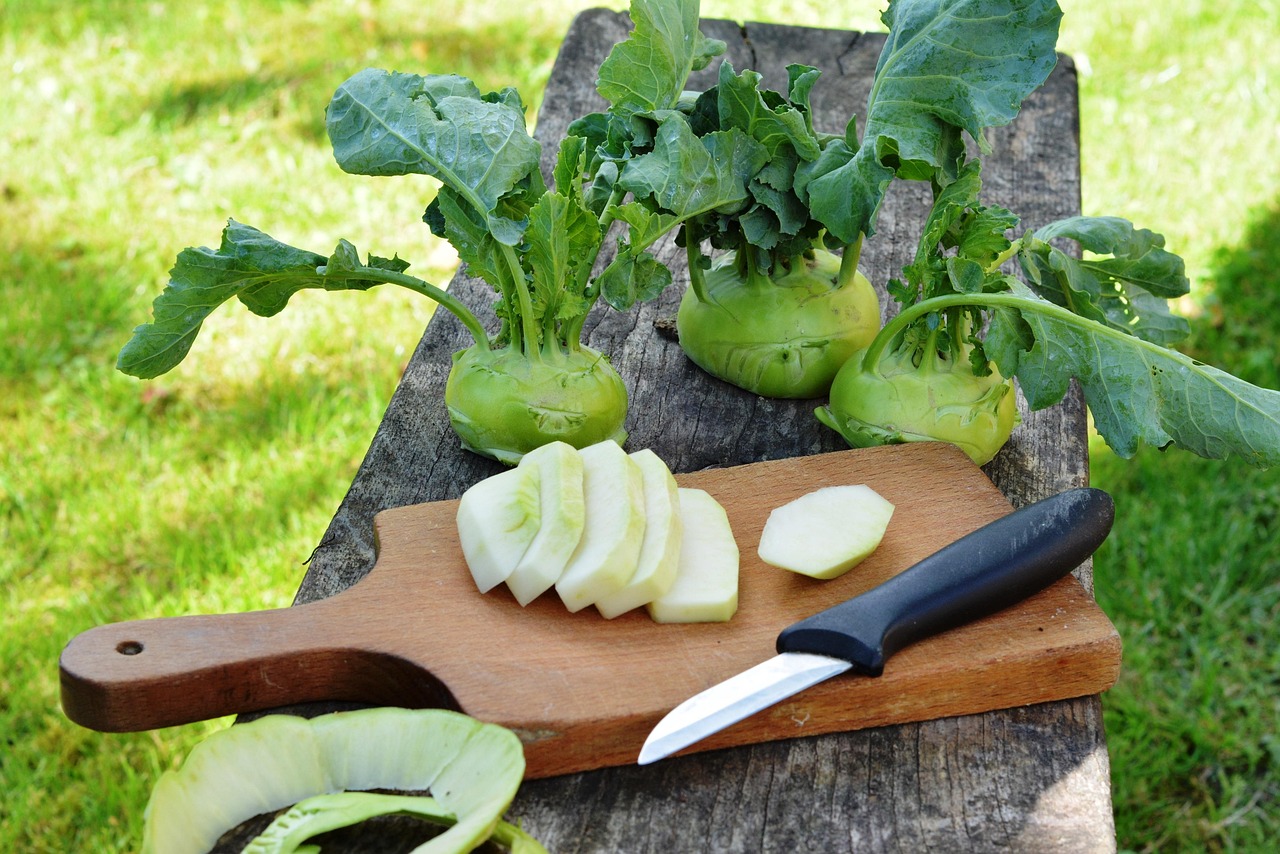
Before you plant anything, it helps to think about what kinds of fresh produce you and your household actually enjoy eating. There’s no point growing fruit or vegetables that you won’t actually want to use in your cooking. Popular choices for beginners include lettuce, radishes, spring onions, runner beans and tomatoes, as these tend to be low-maintenance and provide a decent yield.
If space is limited, focus on crops that grow well in containers or raised beds. Leafy greens like spinach and chard are good options, and herbs such as basil, parsley and thyme can be grown on a sunny windowsill. Courgettes and dwarf beans can also thrive in pots with a bit of care and attention.
It’s worth noting that the UK’s weather can be unpredictable, but many vegetable varieties are well suited to cooler climates. Stick with hardy, reliable crops to begin with, and expand your choices as you grow in confidence.
Cooking with homegrown ingredients
Once you’ve nurtured your plants and watched them flourish, the next step is using your harvest in the kitchen. This is where homegrown food really comes into its own – bringing not just freshness, but a sense of achievement to every dish.
Seasonal cooking naturally follows when you grow your own food. Spring might bring fresh salads made from mixed leaves and radishes, while summer is the time for tomato-rich pasta sauces, stir-fries with sugar snap peas, and vibrant beetroot hummus. Autumn opens the door to heartier dishes: soups made using carrots, squash or the ever popular pumpkin soup, stews packed with beans and herbs, and roast vegetables with plenty of garlic and rosemary.
Cooking from your own garden also encourages creativity. You begin to plan meals around what’s ready to pick, rather than buying specific ingredients. This often leads to more flexible, less wasteful habits in the kitchen.
Preserving the harvest
Growing your own food often means you’ll have more than you can eat fresh, especially during peak seasons. Rather than letting it go to waste, learning how to preserve your vegetables allows you to enjoy your harvest long after the growing season has ended.
There are several easy and practical ways to preserve your produce at home:
- Freezing: Many vegetables freeze well after a quick blanch in boiling water. Beans, peas, spinach, and carrots are ideal for this method.
- Pickling: A simple vinegar brine with spices can transform cucumbers, beetroot, onions and even chillies into tasty accompaniments.
- Fermenting: Foods like cabbage (for sauerkraut) or carrots can be fermented to add probiotics and depth of flavour to your meals.
- Drying: Tomatoes, chillies, and herbs like oregano or thyme can be air-dried or dehydrated and stored in jars.
- Batch cooking: Soups, sauces and casseroles made with homegrown veg can be portioned and frozen for future use.
Preserving food doesn’t need to be complicated. Start with a few simple methods and experiment as you go. A jar of pickled red onions or frozen carrot chunks might not seem like much, but having these to hand during winter can add colour, taste and convenience to everyday cooking.
Tips for beginners
Starting a self-sufficient cooking journey can feel daunting, but taking it step by step helps make it manageable and enjoyable. Here are a few practical tips for getting going:
- Start small: Don’t try to grow too much at once. Begin with two or three crops and build from there.
- Label your plants: It’s surprisingly easy to forget what you planted, especially when seedlings start to look similar.
- Water consistently: Most vegetables prefer even watering. Check daily, especially in hot weather or if growing in pots.
- Harvest regularly: Picking vegetables at the right time encourages more growth and helps prevent waste.
- Plan for succession: Stagger your sowing so that you don’t get all your veg at once. This ensures a continuous harvest over several weeks.
Embracing the lifestyle
Growing, cooking and preserving your own food isn’t just about saving money or avoiding pesticides. It’s a slower, more thoughtful way to approach what you eat. It encourages a connection with nature, a respect for seasonality, and a deeper appreciation for the effort involved in food production.
It can also bring people together. Sharing jars of homemade chutney, swapping surplus veg with neighbours, or inviting friends over for a meal made from your own garden can be a wonderfully social aspect of the experience.
Self-sufficiency doesn’t mean doing everything alone or going entirely off-grid. It’s about taking small, meaningful steps towards greater independence and awareness – whether that’s growing a few tomatoes on the patio or filling your freezer with your own produce.
Cooking with homegrown ingredients and preserving your harvest offers a powerful sense of connection to your food. It’s about being resourceful, eating with the seasons, and enjoying the satisfaction that comes from putting in a bit of time and care.
You don’t need a large garden or a wealth of experience to begin – just a willingness to experiment, learn and grow. With a few basic tools, some patience, and the right vegetable seeds, anyone can take the first steps towards a more self-sufficient kitchen.
Do you grow your own vegetables and herbs to use in cooking at home? Leave a comment to let me know what you’re growing at the moment.