
While Airbnb is a popular choice of accommodation among budget-minded travellers, and those seeking a local travel experience, its rising popularity tends to attract scammers. According to one report, 22% of complaints about Airbnb on X (formerly Twitter) were fraud-related. Last year, the accommodation marketplace removed over 59,000 shady listings, in addition to preventing 157,000 more from getting listed.
The statistics can be alarming for anyone hunting for an accommodation deal. Understandably, there’s nothing worse than being defrauded by your Airbnb host when you’re on holiday. If you’re not careful, these unscrupulous actors could even put your safety at risk. While Airbnb strives to protect its guests from fraudsters, taking steps to avoid deceptive schemes is essential when booking a stay on the platform.
So, how can you protect yourself from Airbnb swindles and identify dubious rentals before you turn up at the property? Here are some tips on using Airbnb safely so you can avoid nasty surprises during your travels.
Check the listing URL
Why is this important? Nowadays, “spoofing” is pretty common and has become a widely adopted technique for scamming travellers. In spoofing frauds, cybercriminals recreate the visual appearance of the Airbnb website, making it nearly impossible to tell the difference between the official website, and he fake version.
These “spoof” websites can feature listings identical to the ones you find on Airbnb. However, they’re intended to phish for sensitive data, like account credentials and credit card details, and target victims for financial fraud.
To avoid scams like this, check the site URL to confirm you’re using the real Airbnb platform. It should be Airbnb.com. Fake site URLS might have an extra character or some other minor difference. Never access the platform by clicking links on unsolicited emails, messages, or online ads.
Review the property listing
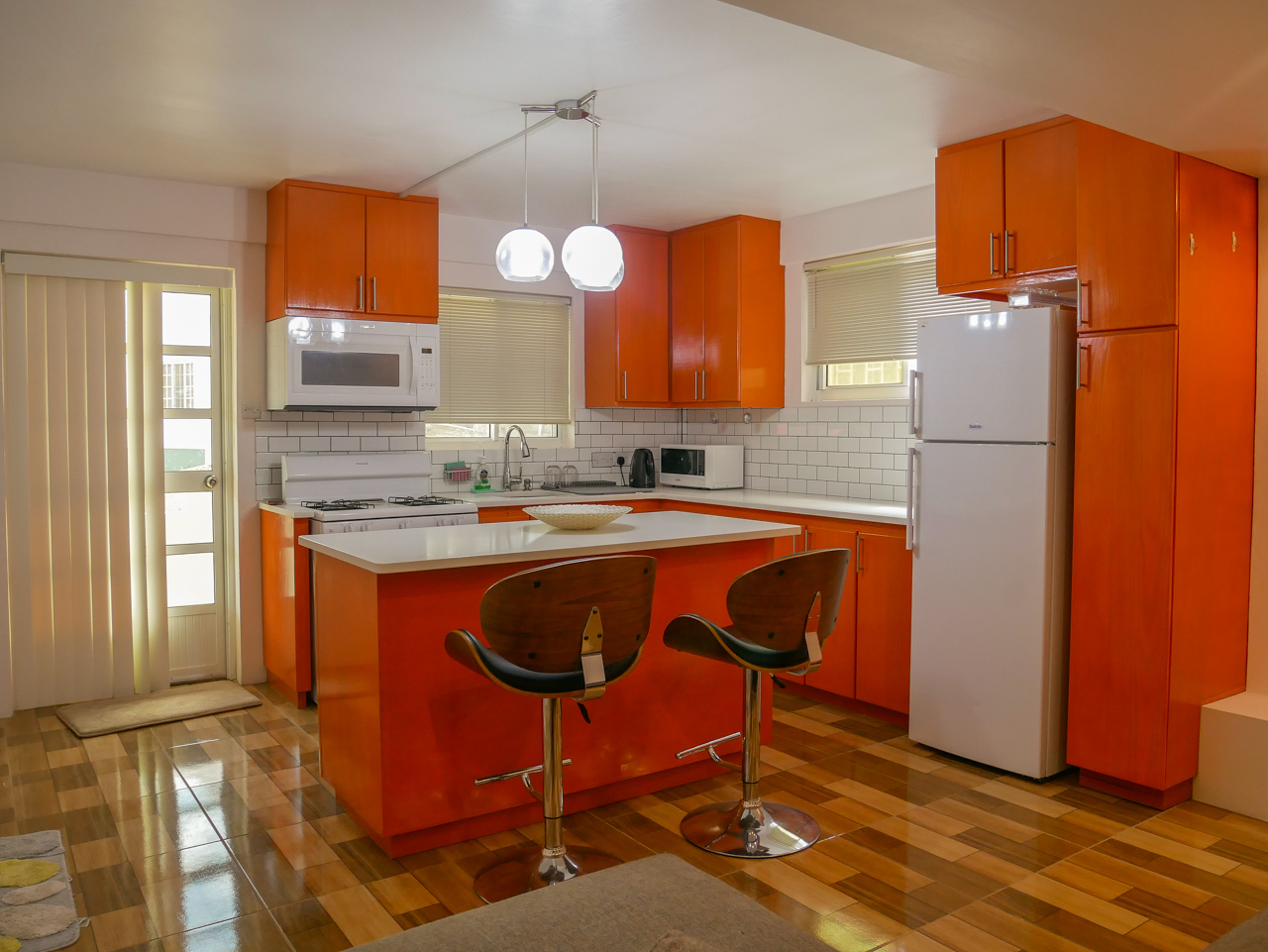
Often, the listing itself could provide plenty of clues about dubious rentals. Do the photos appear old, and do they match the written description? Is the listing too good to be true, or exaggerated? Does the price seem suspiciously low considering the property’s size, location, and amenities. If the answer is yes, there’s a good chance that the listing is a scam.
One of the common frauds encountered by Airbnb users is misleading descriptions. Shady hosts can, for instance, edit images to make rooms look more attractive, use old photos to conceal the current state of a building, or even post stock images of scenic views that the property doesn’t really offer.
If you pay close attention to the listing description, you can identify warning signs of such scams. Don’t forget to do a Google search to learn more about the area and the neighbourhood and verify the location-specific details the host has provided.
Read reviews
Airbnb has a detailed reviewing process, where guests can share their experiences based on six key criteria – cleanliness of the property, accuracy of the description, check-in process, communication with the host, location, and value for money.
In addition to indicating separate ratings for each of these areas, the platform displays an overall rating for the property, alongside comments from travellers. This helps platform users to form a more accurate picture of a rental, through the experiences of those who’ve already stayed there.
Now, bear in mind that hosts can add fake reviews to their listings too. They could, for example, get friends to provide 5-star ratings, or pay someone to post hoax comments.
Identify any manipulated reviews by scrutinising the reviewer’s profile. Genuine users usually leave reviews on multiple listings, often with detailed remarks with a mix of positive and negative sentiments.
Read the host’s profile
Not all new hosts are scammers. However, most scammers have newly set up profiles with few or no bookings and reviews.
Therefore, if you want to minimise the risk of getting duped, it’s best to stick to hosts who’ve maintained a long-term presence on Airbnb.
Those with a Superhost badge are even better. This is a status Airbnb awards to accommodation owners who provide an exceptional guest experience. It’s assessed based on a range of criteria, like the number of total nights booked, response rate, cancellations, and overall ratings. The platform evaluates hosts four times each year to determine their eligibility to keep the Superhost status. So, this badge can offer some exyta peace of mind.
Of course, there are plenty of good hosts who are new to Airbnb and, therefore, without the Superhost status. If you’re planning to book with someone new, read their guest reviews and ratings and check whether their identity, email, and phone number are verified.
Take note of the booking terms
It’s natural for a property owner to set some rules when offering accommodation for short and long stays. Sometimes, however, unusual rules can signal fraud.
Review the booking terms and information listed under the “Things to know” section. Does the property have cameras in the interior? What is the cancellation policy? Are there additional payments, such as cleaning fees?
Only communicate through Airbnb
Be cautious about any requirements for the host to communicates with you separately, too. Do they insist you discuss things over the phone? Have they suggested making the payment via a third-party app or link they have provided? If so, it’s possible that the host is phishing for information, or trying to sell a listing that doesn’t exist.
To stay safe, only use the Airbnb site for all communication with the host, and booking payments. This offers you some protection if you get duped, while also enabling the platform to investigate and safeguard your interests.
When booking a rental stay online with a stranger, the likelihood of getting duped is considerably high. Platforms like Airbnb have taken steps to significantly minimise this risk. But, scammers continue to find new ways to trick travellers through shady listings.
To ensure a listing is legitimate, checking the page URL, property description, reviews, host’s profile, and booking terms is essential.
Also, remember not to share your personal information with a host until you confirm the booking. And if you encounter any issues, contact Airbnb on their 24/7 hotline.
What do you advise travellers to do when booking an Airbnb stay? Comment below to let me know.