
Any budding home cook will tell you that the kitchen is the heart of their home but, without an effective kitchen set-up and kitchen storage at your disposal, it can soon start to feel rather chaotic, and stressful.
An efficiently arranged, well-designed kitchen equipped with modern kitchen cabinets and appliances can be an absolute game-changer if you’re looking to embrace your love for home cooking. Whether you’re a seasoned home chef or just beginning your culinary journey, here are some tips on how to design a contemporary kitchen you’ll always enjoy cooking in.
Five techniques every home cook should know
While recipes can walk us through the steps required to make certain dishes, it helps to master a few basic cooking techniques and culinary skills, if you aspire to be a great home cook. Here are five ideas to get you started.
Sautéing
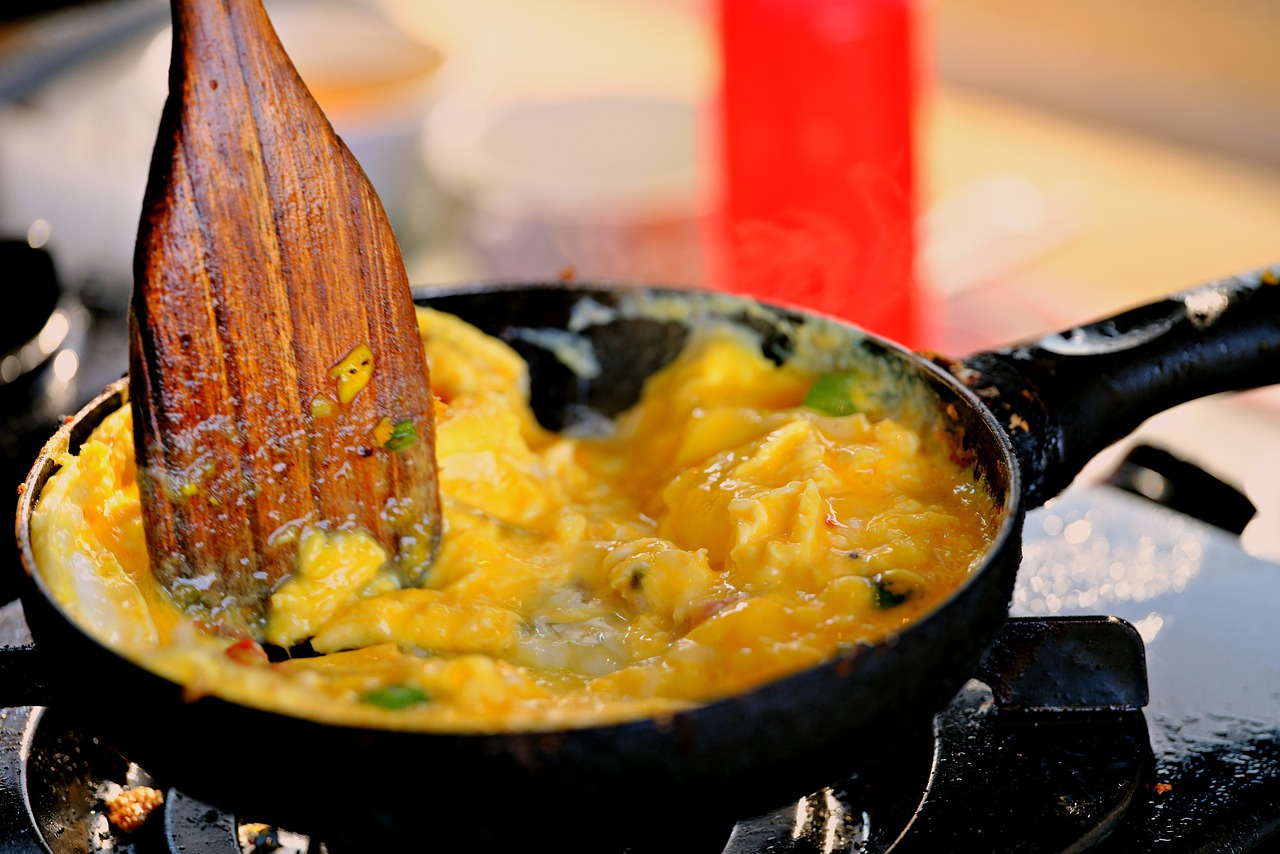
Sautéing is a quick, high-heat home cookery method that works well for softening vegetables like onion, celery and carrots, while also enabling you to achieve scrumptious subtle caramelised tones. It can also be used to sear meats, and to create bases for various savoury dishes. Simply cook bite-sized morsels of food in a small amount of hot oil or butter in a wide, shallow pan like a sauté pan or skillet, stirring the food throughout. Remember, the pan should be hot, and the food should sizzle when it hits the surface.
Roasting
Roasting is a dry-heat cooking method that works wonders for meats, vegetables, and even fruits. By cooking your ingredients in an oven at a moderate to high temperature, you’ll achieve a deep, rich flavour, and a beautiful, bronzed exterior. Roasting tends to create a pleasant contrast between crispy surface, and tender interior, making it perfect for the likes of roast chicken, root vegetables, and roasted nuts.
Blanching
Blanching is a brief cooking technique used to partially cook vegetables or fruits. It involves briefly immersing the food in boiling water, and then quickly transferring it to an ice water bath to halt the cooking process. This method can preserve the vibrant colour, texture, and nutrients in food, while eliminating harsh bitterness. Blanching is often used for preparing vegetables for salads, stir-fries, and freezing.
Simmering
Simmering involves cooking food gently in liquid, just below the boiling point. It’s ideal for developing complex flavours in soups, stews, sauces, and braises. Low and slow is the name of the game when simmering, allowing the ingredients to meld together while infusing the liquid with their essence. Patience is key, as the longer the simmer, the more intense and developed the flavours become.
Steaming
Steaming is a gentle cooking method that’s perfect for retaining the natural flavours and nutrients of your ingredients. By suspending food over boiling water, steam gently cooks items like vegetables, fish, and dumplings. The best part? It requires little to no additional fat, making it a healthy choice. Steaming maintains the texture and flavour of your food, making it a favourite among health-conscious home chefs.
How to eliminate kitchen cooking odours
Cooking can be a joy, but the lingering food odours that tend to hang around afterwards aren’t so pleasant. Here are three ways to get rid of the smell:
Proper ventilation
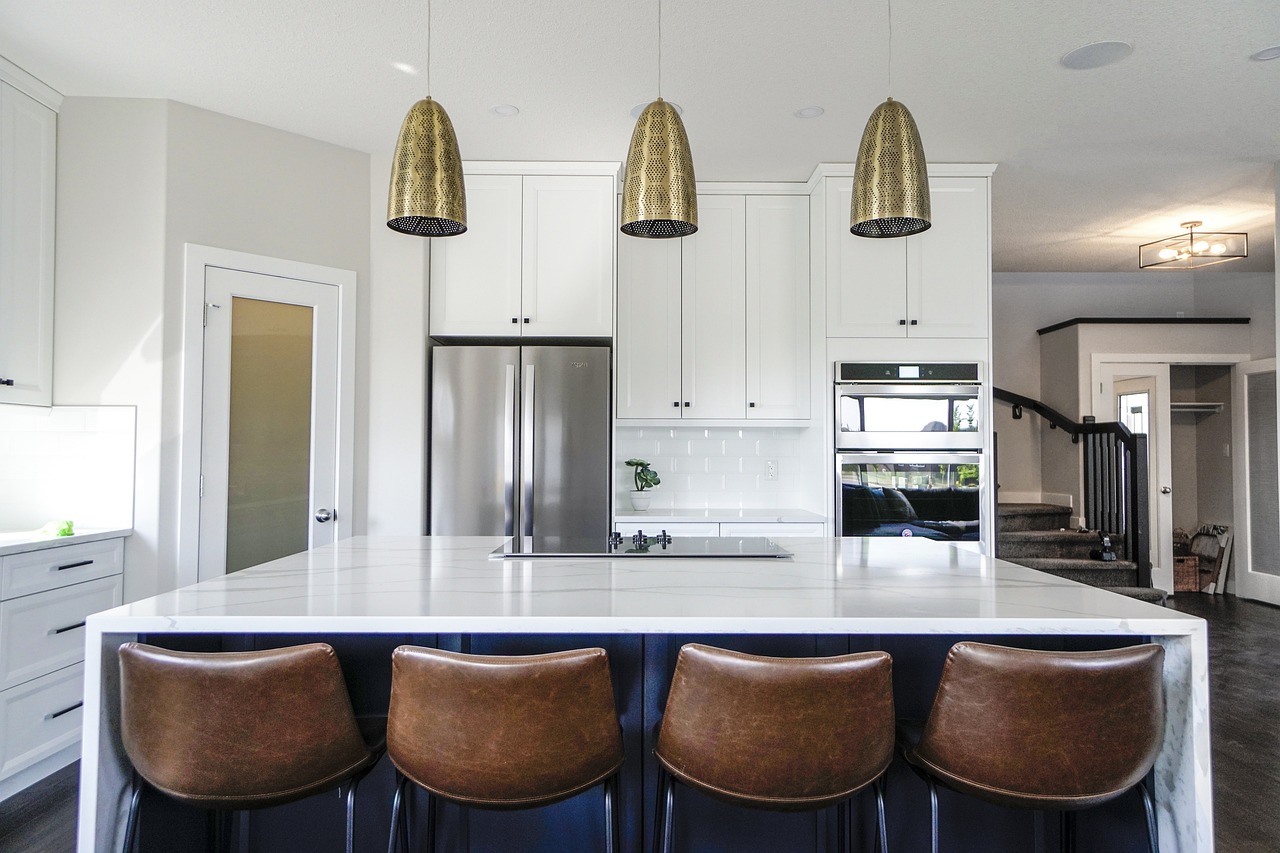
Invest in a good-quality range hood or extractor fan for your kitchen. These appliances are designed to capture and remove cooking odours, smoke, and steam at the source. When cooking, remember to turn the range hood or extractor fan on to ensure the odours are pulled out of your kitchen, and vented outdoors. Additionally, open your kitchen windows to allow fresh air to circulate, helping to disperse any lingering scents.
Simmering odour-neutralising ingredients
You can also harness the power of natural odour absorbers when getting rid of kitchen cooking smells. After cooking, simmer a pot of water mixed with vinegar, and your choice of odour-neutralizing ingredients. Common options include lemon slices, cinnamon sticks, or fresh herbs like rosemary and thyme. The heat will release pleasant scents, while the vinegar helps neutralise odours. You can also leave out a bowl of baking soda, coffee grounds, or activated charcoal in your kitchen to absorb unwanted odours over time.
Deep cleaning
Another effective way to remove the smell in the kitchen after cooking is cleaning. Regularly deep clean your kitchen, paying special attention to surfaces that can trap odours. Scrub your stovetop, oven, and microwave, and don’t forget to clean your range hood filter. Wipe down countertops, cabinet exteriors, and any appliances or utensils too. Using a mixture of white vinegar and water is an effective, natural way to remove lingering scents. Additionally, wash kitchen linens, like dish towels, cooking aprons and oven mitts regularly to keep them fresh.
Useful utensils and appliances
Having the right kitchen utensils and cookery appliances at your disposal can make all the difference to both the quality of your food, and your cooking experience. From the latest tech-savvy appliances, to all your favourite, trusty kitchen things for cooking, here are some of the must-have kitchen cooking essentials for any modern kitchen.
Smart oven
In the world of kitchen appliances, smart ovens have taken centre stage. With AI-powered features, these innovative appliances can do much more than just bake or broil. An AI-powered oven or AI-driven microwave offers advanced functions, like recognising the type of food you’re cooking and adjusting temperature and cooking time accordingly. Some can even download recipes and guide you through the cooking process, making it a game-changer for both novice and seasoned home chefs.
Kitchen cooking sets
A comprehensive kitchen cooking set is a cornerstone of any well-equipped kitchen. These utensils typically include essential tools like knives, cutting boards, pots, pans, and utensils. Investing in a high-quality set ensures you have the right tools for a wide range of culinary tasks, from chopping and sautéing to baking and grilling.
Weighing scales
For those who take baking and cooking seriously, weighing scales are an absolute must. They help you to follow recipes precisely by enabling you to measure the ingredients accurately, which is particularly important in baking. Whether you prefer a digital scale or a classic mechanical one, having one in your kitchen can elevate your culinary creations.
Kitchen thermometer
A kitchen thermometer is a must for achieving perfectly cooked dishes, especially when it comes to roasting meats and preparing baked goods. It helps you to monitor the internal temperature of your food, ensuring it’s cooked to perfection. Digital instant-read thermometers provide quick and accurate results, taking the guesswork out of cooking.
Smart kitchen timer
Modern cooking is all about precision, and a smart kitchen timer is a versatile tool that allows you to keep track of multiple cooking processes simultaneously. With customisable alarms and features like countdowns, intervals, and more, these smart timers ensure your dishes are cooked to perfection and ready to be served at precisely the right moment.
How to plan your kitchen cabinets
Kitchen planning is an exciting, yet intricate process that involves more than just envisioning your dream kitchen. A crucial aspect of planning kitchen cabinets is organising your space efficiently, in a way that meets your unique needs and style.
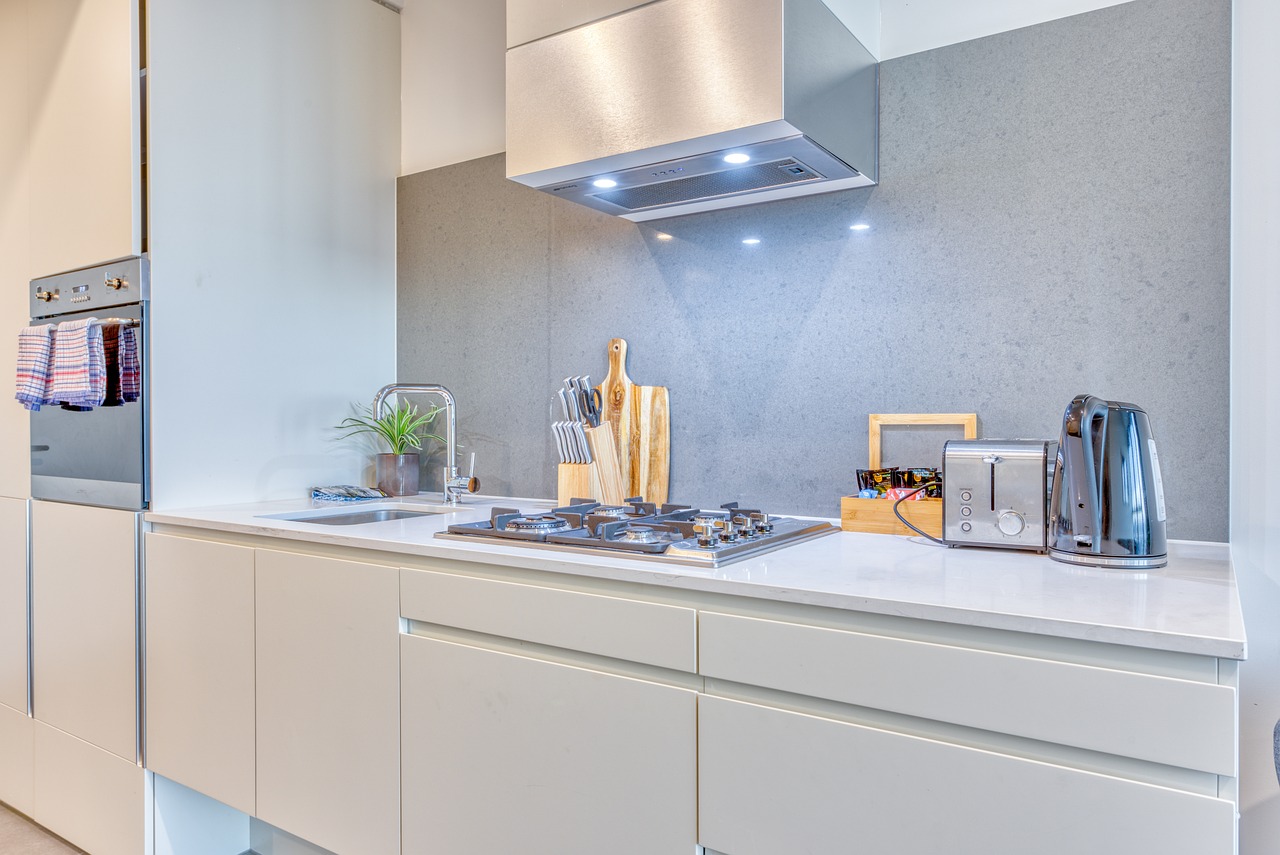
One of the best kitchen layouts for cooking hinges on a well-thought-out cabinet arrangement. The first step is to analyse your kitchen’s space and traffic flow, focusing on the stove, sink, and refrigerator and the space around them when planning your entire kitchen set-up.
When planning where to place cabinets, and which designs to invest in, consider incorporating a few spice racks near the cooking area. These small, purpose-built spaces will enable you to ensure your essential spices are always within arm’s reach, making meal preparation a breeze. Pan deep drawers are ideal for storing pots and pans, ensuring easy access and organisation while optimising space. Cutlery drawers, strategically placed near your countertop, can also help to keep your knives and utensils tidy and accessible.
For those who love to entertain, cabinets for serving dishes are a fantastic addition. These cabinets can be designed with adjustable shelving to accommodate various sizes of platters, bowls, and dishes, making hosting dinner parties a delight. Additionally, display cabinets with glass doors are ideal for showcasing exquisite dinnerware, or cherished family heirlooms.
Incorporating kitchen cabinet planning ideas into your remodel can enhance both functionality and aesthetics. When planning cabinets for the kitchen, consider the best kitchen layout for cooking, such as the U-shaped or island kitchen design, to optimize your workspace and create a harmonious flow.
Kitchen countertop upgrades should also align with your cabinet planning. Countertops play a vital role in your kitchen’s overall appeal and functionality, so consider materials like granite or quartz for both style and durability.
What are your favourite features of your kitchen? Let me know in the comments.