
As someone whose life largely revolves around food – writing about it, photographing it, travelling for it and, of course, eating it – one of the strangest parts of starting Mounjaro has been figuring out how to eat well when your appetite all but disappears.
You know nutrition matters. You know protein matters. But when the thought of a full plate feels oddly overwhelming, and your appetite has shrunk to the size of a side dish, all the usual advice about eating balanced meals can start to feel surprisingly abstract.
One of the things I found myself struggling with early on was that strange contradiction of still loving food but not necessarily wanting very much of it. Meals I would usually look forward to suddenly felt too big, too rich or simply too much effort. Yet at the same time, I knew I still needed to nourish myself properly.
I found myself reading through Voy’s Mounjaro diet guide while trying to work out how to eat well on days where even the thought of lunch felt a bit much. Most the advice makes sense nutritionally, but I wanted to think about how that translates into food you might actually fancy eating when hunger is low. Food that still feels enjoyable, comforting and satisfying, even if you are eating far less of it.
That has largely meant rethinking what a “good meal” looks like. Smaller portions, certainly, but also meals that work harder nutritionally, meals that feel appealing when appetite is low, and food that still brings some enjoyment rather than becoming another thing to force yourself through.
First: what actually matters when you’re eating less
When your appetite drops significantly, a lot of the usual food noise starts to matter less. Calories, meal timing, macros – they all still have their place, but when you’re eating much smaller amounts, two things become especially important: protein and fibre.
Protein matters because rapid weight loss can mean muscle loss too, and preserving muscle becomes more important than ever when you are eating less. According to research published in the American Journal of Clinical Nutrition, aiming for around 1.2 to 1.6g of protein per kilogram of body weight during active weight loss may help preserve lean mass. For many people, that works out somewhere in the region of 80 to 110g a day.
That can feel like quite a lot when you are suddenly struggling to finish meals. I quickly realised that if I was only eating smaller portions, protein needed to stop being an afterthought and become the focus of almost everything I ate.
Fibre matters just as much. Mounjaro slows gastric emptying, which is part of what helps keep you fuller for longer, but it can also make constipation much more likely, particularly if you are eating less overall. The NHS recommends around 30g of fibre a day, though most of us fall short of that.
In practice, I have found it helps to think about fibre little and often rather than trying to cram it all into one meal – oats, lentils, berries, chickpeas, vegetables and seeds all quietly do a lot of heavy lifting here.
Ultimately, I have found the question on Mounjaro is not really “how do I eat less?” because the medication has already taken care of that. The more useful question becomes: how do I eat well when I am already eating less? That is a completely different challenge, and the answer tends to look quite different too.
The protein-first approach to every meal
One of the biggest shifts for me has been rethinking what a meal actually looks like. Rather than building a balanced plate and hoping there is enough protein on it somewhere, I have started thinking about meals as protein with other things around it.
When appetite is low and you know you might not finish everything, it makes sense for the most nutritious part of the meal to be the bit you are most likely to eat. That does not mean endless plain chicken and broccoli, thankfully. It is more about knowing which foods pack the most protein into smaller portions and leaning into those on days where eating feels more like an effort.
The high-protein foods worth knowing
Greek yoghurt (full-fat)
One of the most useful things to keep in the fridge. Around 200g provides roughly 12g of protein, and it feels manageable even on lower-appetite days. I have found full-fat versions tend to feel more satisfying in smaller amounts too. Add berries, chia seeds, flaxseeds or a drizzle of honey depending on what appeals.
Eggs
Quick, easy, comforting and surprisingly protein-rich. Two eggs provide around 14g of protein and feel much less overwhelming than many breakfasts when appetite is low. Soft-boiled on toast, softly scrambled or added to leftovers – they work in countless ways.
Canned fish
Tuna, salmon, sardines and mackerel are all incredibly useful because they require almost no effort and deliver around 25g of protein per 100g. Sardines on sourdough with lemon and rocket sound simple, but when appetite is low, simple often wins.
Cottage cheese
Not the most glamorous ingredient, admittedly, but genuinely useful. At around 11g of protein per 100g, it works surprisingly well both savoury and sweet – with cucumber and seasoning, or berries and a drizzle of honey.
Lentils and chickpeas
Protein and fibre in one go, which makes them especially useful here. Red lentil soup has become one of my favourite lower-appetite meals – warming, comforting and easy to eat even when a big meal feels unappealing.
Tempeh
Higher in protein than tofu at roughly 19g per 100g, with a firmer texture and nuttier flavour. Pan-fried until crisp, it works brilliantly in grain bowls or alongside roasted vegetables.
This already feels far more you to me — more personal, realistic and less like generic wellness content.
Meals that work when hunger is low
The meals I have found myself returning to most are smaller, flavourful and easy to eat rather than large plates that feel overwhelming before you have even picked up a fork. Eating less is already happening – the challenge becomes eating well.
Breakfasts
Breakfast can feel particularly difficult when appetite is low, especially if you were never much of a breakfast person to begin with. I have found the best breakfasts are the ones that feel manageable – enough protein and fibre to set you up for the day, but not so much that they immediately feel overwhelming.
Soft-boiled egg and good toast
Simple, comforting and quick. One or two soft-boiled eggs with runny yolks on a thick slice of sourdough, finished with flaky salt and a little butter, feels like a proper breakfast without being too much. If appetite allows, avocado or a pinch of chilli flakes works well too.
Greek yoghurt with berries and seeds
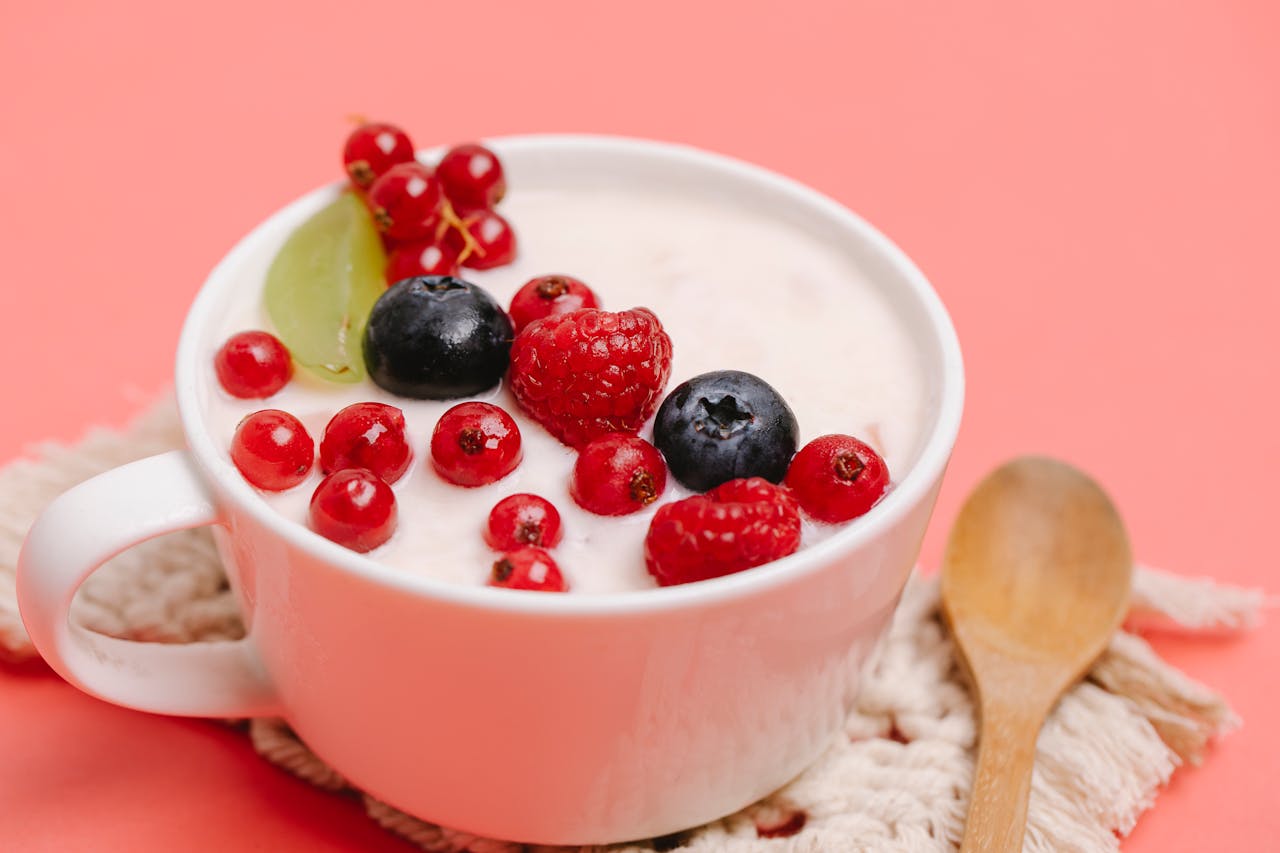
This has become one of my regulars. Full-fat Greek yoghurt topped with berries, chia or flaxseeds and a drizzle of honey feels nourishing, without feeling heavy. It’s also an easy way to get some extra protein into the day without much effort.
Porridge with nut butter
A smaller bowl than I might once have eaten, made with milk rather than water and topped with a spoonful of peanut or almond butter, or Manuka honey.
Oats are particularly helpful if constipation becomes an issue on Mounjaro, while nut butter helps make it feel more satisfying.

Lunches
Lunch tends to work best when it is easy to throw together and does not require too much effort. Soup, grain bowls and simple salads built around a strong protein source have probably featured most in my routine.
Red lentil soup
One of the best things to batch cook and keep in the fridge.
Red lentils, tomatoes, onion, garlic and warming spices blended into something comforting, filling and easy to eat even when appetite is low. A squeeze of lemon at the end brightens everything.
Tuna and bean salad
Simple, quick and surprisingly satisfying.
Tinned tuna mixed with butter beans or cannellini beans, red onion, celery, olive oil and lemon juice makes an easy lunch that feels substantial without being heavy. It works well on sourdough or spooned over leaves.
Simple grain bowl
A small base of quinoa or brown rice, roasted vegetables and whichever protein sounds appealing that day – leftover chicken, a soft-boiled egg or chickpeas all work.
The beauty of these is that you can scale them up or down depending on appetite.
Dinners
Dinner was probably the biggest adjustment for me. I went from enjoying proper evening meals to suddenly looking at full plates and feeling completely overwhelmed by them.
What helped most was accepting that smaller portions were not a failure – they were realistic. Rather than cooking full meals and leaving half of them, I started making simpler dinners that still felt satisfying but easier to manage.
Baked salmon with roasted tomatoes and spinach
A salmon fillet with roasted tomatoes, wilted spinach and plenty of lemon feels light, nutritious and manageable on lower-appetite days.
Chicken with soft herbs and roasted vegetables
A roasted chicken thigh or breast with whatever vegetables need using up. Good olive oil and herbs do most of the work here, and on hungrier days a little bread or grain alongside works well.
Lentil and vegetable dahl
Soft, warming and deeply comforting.
Lentil dahl has become one of those meals that somehow feels easy to eat even when appetite is low. It also keeps well in the fridge, which helps on days where cooking feels like too much effort.
Snacks that actually help
On Mounjaro, snacks seem to serve a slightly different purpose. For me, they are less about hunger and more about keeping energy levels steady and making sure I am still getting enough protein on days where meals are smaller.
The things I keep coming back to are:
- Greek yoghurt with fruit
- A small handful of nuts
- Oatcakes with cottage cheese and cucumber
- A soft-boiled egg with flaky salt
- A couple of squares of dark chocolate – because morale matters too
Why flavour still matters
One thing that surprised me is that reduced appetite does not mean food suddenly becomes unimportant. If anything, when you are eating less, flavour matters more because every bite carries more weight.
This is where being a food person helps. A drizzle of good olive oil, fresh herbs, lemon juice or a bit of crunch on top of a softer dish can make something feel far more satisfying. When portions are smaller, those details matter.

Managing side effects through food
The most common side effects for many people on Mounjaro tend to be nausea and constipation, particularly in the early stages or after dose increases.
If you feel nauseous
Smaller meals eaten more regularly tend to feel much easier than sitting down to a full plate. Plainer foods – porridge, toast, bananas, crackers or ginger tea – often feel more manageable, particularly around injection days.
If you’re constipated
Fibre, fluids and movement matter more than ever. According to NHS fibre guidance, oats, lentils, beans, berries and seeds all help, but drinking enough water is just as important. I have also found gentle movement, even a walk, helps more than expected.
You’re not eating less because you suddenly became more disciplined. Instead, the medication changes the hormonal signals around hunger and fullness, and that distinction matters.
What this is really about
This is not about eating perfectly or following strict rules. There is no meal plan to stick to and no food groups to cut out.
For me, it has simply been about learning how to eat well in a way that feels realistic on a much smaller appetite – prioritising protein and fibre, eating food I still genuinely enjoy and accepting that smaller portions are simply part of the adjustment.
If you want more of the clinical side of things, Voy’s Mounjaro diet guide goes into much more detail. For me, the challenge has been figuring out how to make that advice feel like food rather than medicine.
This article is for general informational purposes and does not constitute medical or nutritional advice. Always consult a qualified healthcare professional before making significant dietary changes, particularly if you are taking medication. Individual results may vary.