
Wales was made for road trips. One minute you can be winding your way through dramatic mountain scenery, and a couple of hours later you could be eating seafood overlooking the coast, exploring a medieval castle or pulling over because you’ve spotted a beach, farm shop or country pub that looks too good to pass by.
Its relatively compact size makes it possible to experience a surprising amount in a single trip, but some of the best Welsh roads aren’t the quickest ones. Narrow country lanes, mountain passes and scenic coastal routes are all part of the experience, so it pays to resist the temptation to cram too much into your itinerary.
Whether you’re planning a few days in one part of Wales or a longer road trip from north to south, here’s how to choose your route, plan your stops and make the most of the journey.
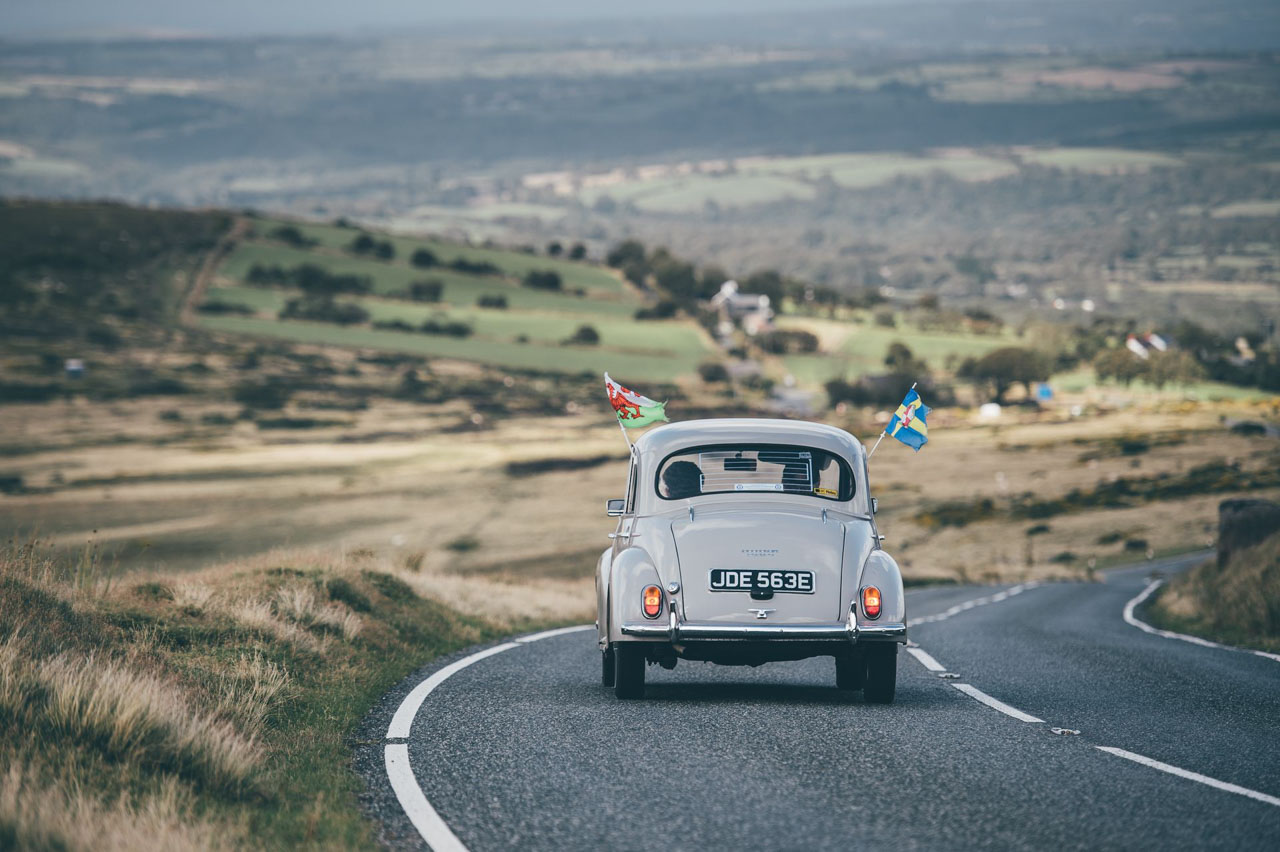
Think about what you want from your trip
Start by thinking about the kind of trip you want. Are you after coastal views? Spectacular mountains? Local history? Great food? Or a mixture of everything?
Remember that the kind of trip you desire will also influence the kind of vehicle that might be best to travel in during your journey. A larger car might offer more luggage space and comfort on longer journeys, while a smaller vehicle can be easier to manoeuvre along narrow country lanes and through historic towns. If you’re comparing routes and vehicles, looking at cars you can lease may help you to choose a vehicle that’ll be comfortable, economical and suited to your needs.
Choose the right route
A classic Welsh road trip often starts in the north, where Eryri (also known as Snowdonia) offers some of the most dramatic scenery in the UK. You could begin in Conwy, explore its castle and town walls, then drive towards Betws-y-Coed, Llanberis and Beddgelert. This area is perfect if you love hiking, photography and mountain landscapes.
For a coastal adventure, follow the west coast down through the Llŷn Peninsula, Cardigan Bay and Pembrokeshire for epic beaches, picturesque fishing villages, scenic clifftop walks and unmissable wildlife spotting opportunities. Don’t miss your chance to spot dolphins in the wild near New Quay, and be sure to keep an eye out for seals around the Pembrokeshire coast.
If you prefer culture and history, why not plan a route through mid and south Wales? Hay-on-Wye, Brecon, Abergavenny, Cardiff and the Wye Valley offer bookshops, castles, food markets, rolling hills and riverside drives.
Allow more time than you think
Welsh roads can be slower than they might look on a map. Mountain roads, single-track lanes, agricultural traffic and Instagrammable photo stops can all add time to your journey. Be aware that the speed limit in Wales is 20 mph on restricted roads, although some roads have higher limits where local authorities have introduced exceptions.
Instead of planning to cover huge distances every day, choose a few key stops and leave space for detours.
A good rule is to drive no more than two to four hours each day, especially if you want to spend time walking, visiting attractions or savouring long lunches. Some of the best moments can happen when you pull over beside a lake, wander around a small harbour, stop at a farm shop or discover traditional local dishes like Welsh rarebit.
Pick memorable places to stay
As is the case when visiting any destination, where you choose to stay in Wales has the potential to shape your entire road trip experience. Wales offers everything from campsites and glamping pods to boutique hotels, traditional inns and remote cottages. In national parks and popular coastal areas, it always pays to book early – especially during school holidays and summer weekends.
Aim to vary your stays. Spend one night in a mountain village, another by the sea, and another in a lively town with good restaurants. Staying two nights in some places can also make the trip feel less rushed, giving you time to explore without repacking every morning.
Pack for changeable weather
Welsh weather is famously unpredictable, so pack for all seasons even if you’ll be travelling in summer. Bring waterproof jackets, sturdy shoes, warm layers, sunglasses and a reusable water bottle. If you plan to hike, carry a map, snacks and a portable phone charger. Staying outdoors? Take a look at my guide to what to pack for a camping holiday in Wales.
For the car, always keep an essential road trip kit within easy reach, whether in your boot or glovebox. Include tissues, hand sanitiser, a payment card and some change for parking, a blanket, a few snacks and, if you’ll be travelling on a hot day, some hand-held fans.
Bear in mind that rural shops may close early, and it’s worth keeping an eye on your fuel or battery charge level when travelling through more remote areas.

Enjoy the food and local stops
A Welsh road trip should include plenty of local flavour. Make a point of ticking off traditional favourites like bara brith, Welsh cakes and laverbread as you travel, but leave room to discover what’s produced in each part of the country too. Farmers’ markets, farm shops, village cafés and country pubs are great places to seek out everything from locally made cheeses and charcuterie to seafood landed on the Welsh coast.
Seeking out independent producers and food businesses along the way not only supports local communities, but can introduce you to regional specialities you might otherwise miss.
Drive carefully and respectfully
Many Welsh roads pass through quiet villages, farmland and protected landscapes. Drive slowly, use passing places properly, avoid blocking gateways and be patient with cyclists, walkers and animals. In popular areas, use official car parks and follow signs to help protect fragile environments.
A little planning goes a long way on a Welsh road trip, but don’t schedule every hour of the day. Choose your route, book the accommodation you don’t want to miss and leave enough time to stop when somewhere catches your eye, whether that’s a quiet beach, a roadside farm shop or a pub that looks particularly inviting.
Have you taken a road trip through Wales? Let me know which route you’d recommend – and the places you’d make a detour for – in the comments below.