
Long before refrigeration transformed food storage, cheesemakers faced a simple challenge: how could they protect their products while allowing them to mature properly? One of the most effective solutions was the use of wax coatings, a technique that would eventually become a defining feature of many traditional British cheeses.
Today, cheese truckles remain a familiar sight in farm shops, food festivals and specialist food retailers. While their colourful appearance may attract attention, the origins of the wax coating are rooted firmly in practicality. For example, Silly Cow Cheese continues to champion these traditional formats, helping modern consumers discover products shaped by centuries of cheesemaking experience.
Wax acts as a protective barrier, helping to prevent excessive moisture loss while shielding the cheese from external contaminants.
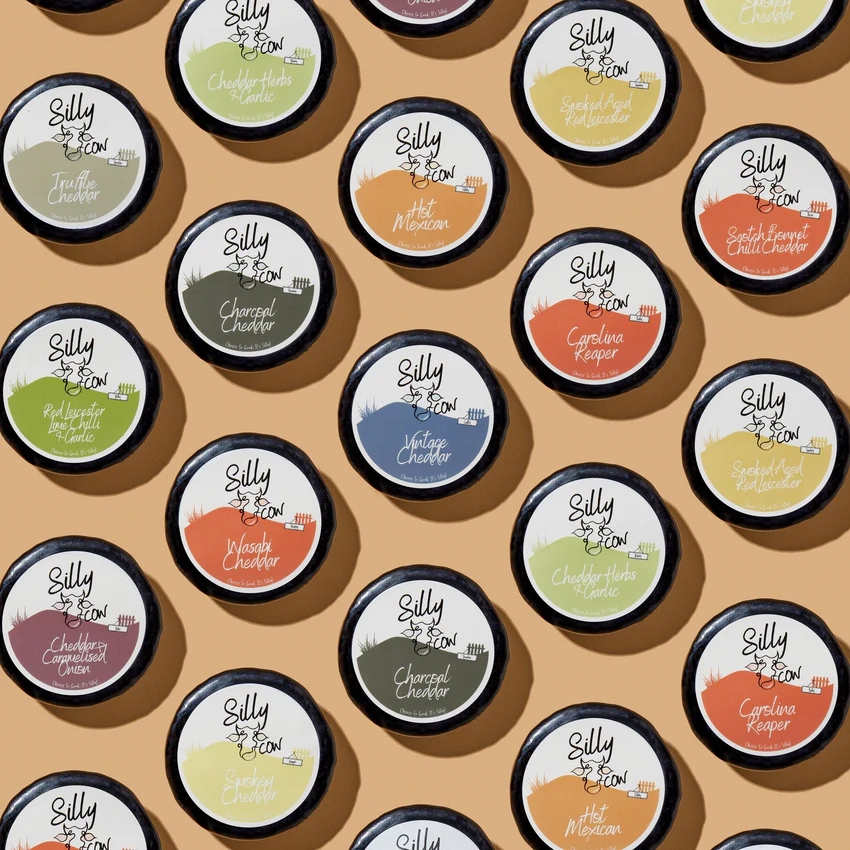
The story behind the truckle
The truckle itself has a long history within British cheesemaking. Traditionally, the cylindrical shape was practical to produce, stack and transport, particularly in rural communities where cheese often formed an important part of the local economy.
Over time, truckles became closely associated with regional cheesemaking traditions. Different areas developed their own recipes, techniques and flavour profiles, resulting in a rich variety of cheeses.
Despite dramatic changes in food production over the centuries, the truckle has remained remarkably resilient. While modern packaging methods are widely available, many producers continue to use wax because it preserves both functionality and tradition.
Preserving heritage through food
The enduring popularity of waxed cheeses highlights a broader appreciation for heritage foods. Consumers are increasingly interested in products that tell a story and offer a connection to traditional methods of production.
Cheese occupies a unique position within British food culture because it combines agriculture, craftsmanship and regional identity. Every truckle represents a chain of knowledge stretching back through generations of producers, each contributing to the development of local cheesemaking traditions.
That connection to history is part of what makes these cheeses so appealing today. While food trends come and go, products with genuine heritage often retain their relevance because they offer something more meaningful than novelty alone.
Wax-coated truckles are a perfect example. What began as a practical solution to a storage problem has evolved into one of the most recognisable symbols of British cheesemaking. Their continued popularity demonstrates that tradition, when supported by quality and craftsmanship, can remain just as relevant in the modern food landscape as it was centuries ago.
Have you ever tried a traditional wax-coated cheese truckle, or do you have a favourite British cheese? Let me know in the comments below – I’d love to hear your recommendations.