
This post is sponsored by Hybu Cig Cymru (Meat Promotion Wales).
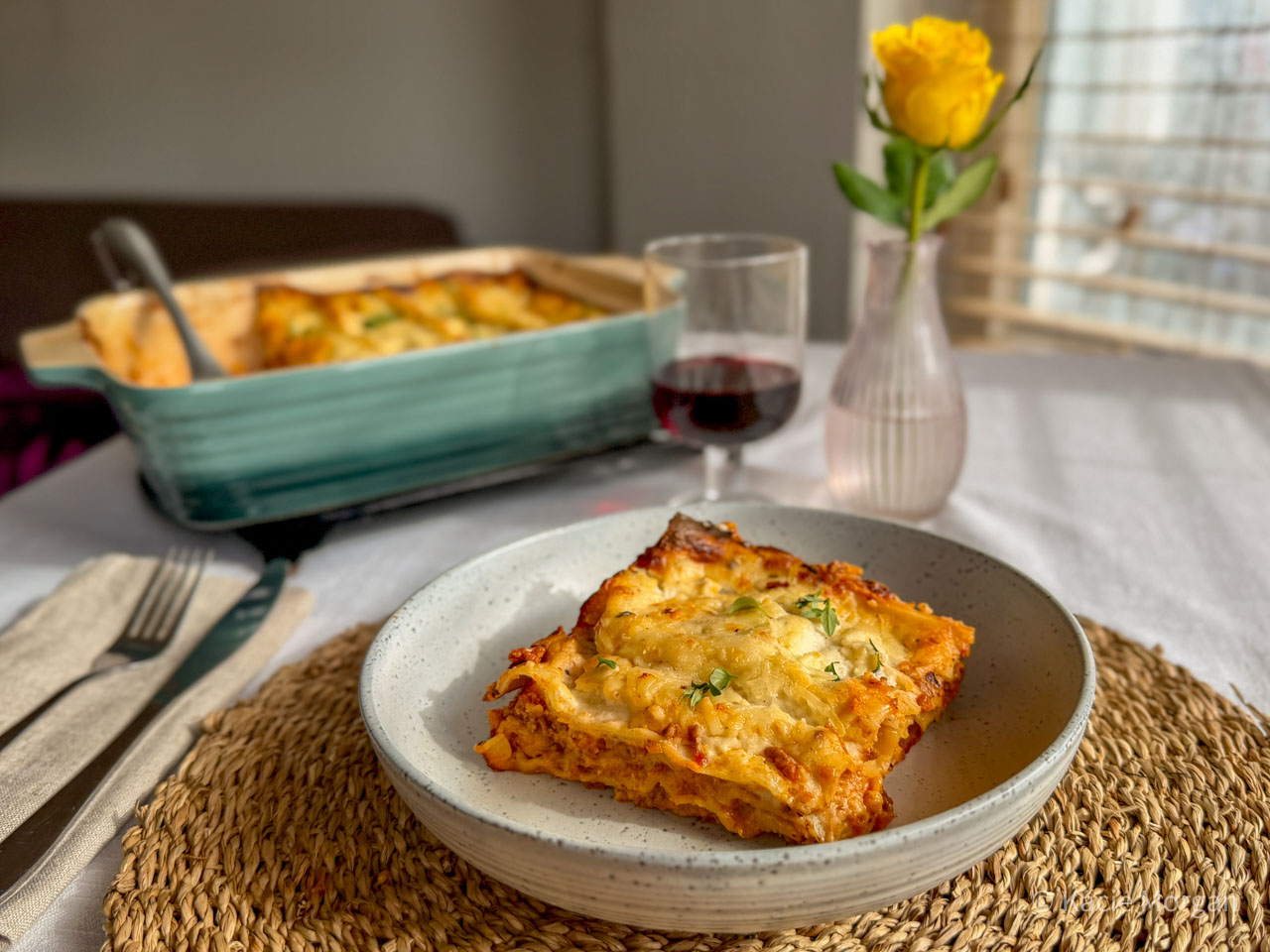
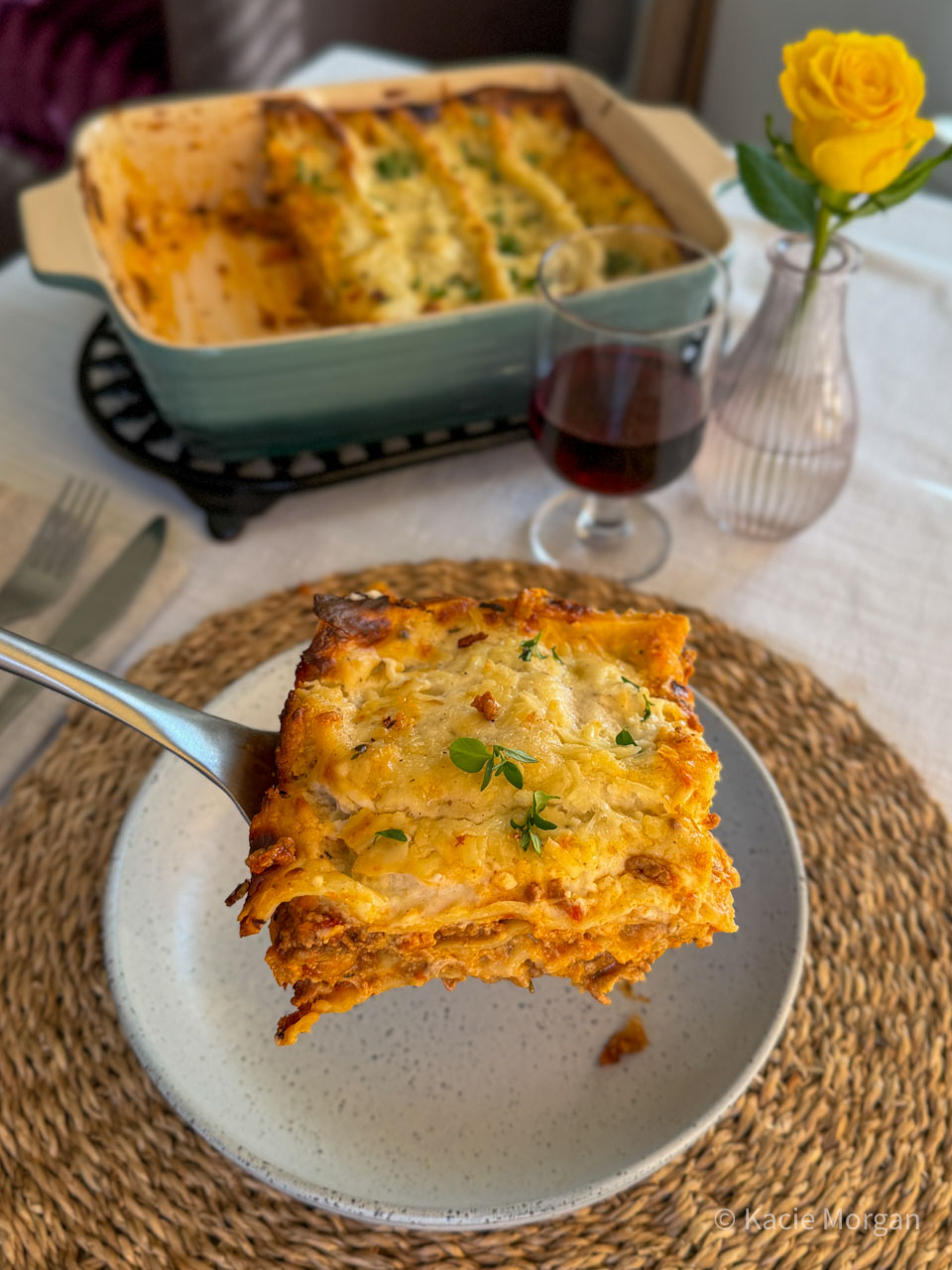
Celebrate Love Lamb Week (1st – 7th September 2026) with my PGI Welsh Lamb lasagne with Caerphilly Béchamel – perfect comfort food to ease you into autumn.
As summer starts to fade and the first signs of autumn creep in, comfort food is coming back into its own.
With Hybu Cig Cymru’s Love Lamb Week taking place from 1–7 September, it’s the perfect excuse to celebrate the versatility of lamb and find new ways to enjoy it at home.
Beef lasagne is a classic, but I’ve given this comforting favourite a Welsh twist, swapping the traditional beef mince for PGI Welsh Lamb mince and layering it with a creamy Caerphilly cheese béchamel. Minced lamb is an affordable, family-friendly way to enjoy Welsh Lamb, and it works brilliantly in the kinds of familiar dishes we already love cooking at home.
The lamb gives the lasagne a slightly milder flavour than beef, while the Caerphilly cheese is creamy, mellow and slightly crumbly, with a gentler tang than a mature Cheddar. Together, they make for a rich, comforting lasagne that’s full of flavour without being overly heavy. I’d genuinely choose this over a traditional beef lasagne again, if I do say so myself!
Why Choose PGI Welsh Lamb
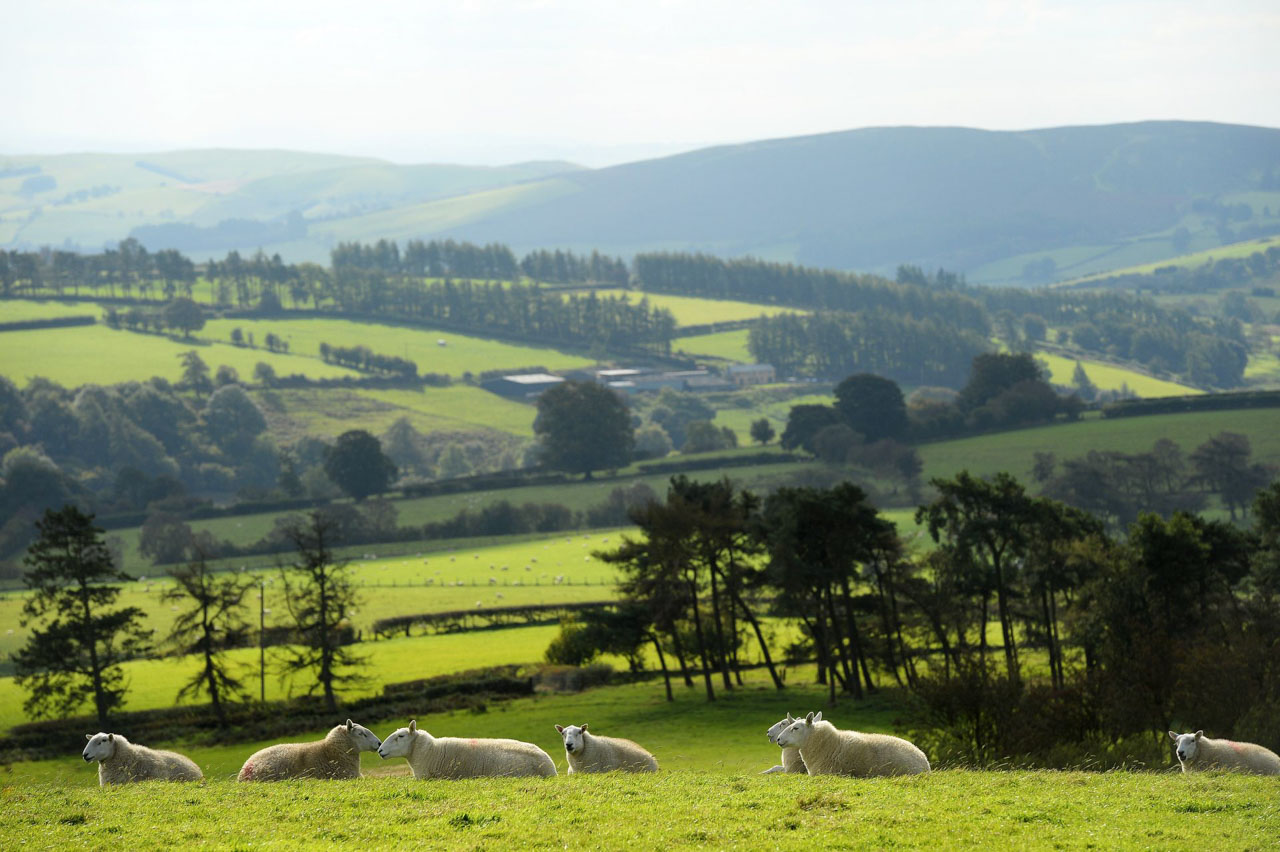
From rolling hills and rugged mountains to lush valleys and pastureland, Wales provides plenty of space for sheep to graze. Combined with generations of farming knowledge and traditional husbandry techniques, these natural conditions have helped Welsh Lamb earn an international reputation for quality.
PGI stands for Protected Geographical Indication, a protected status awarded to foods whose quality, reputation or other characteristics are closely linked to the geographical area in which they’re produced.
Welsh Lamb was awarded PGI status in 2003, recognising the relationship between the quality and characteristics of the meat, the Welsh landscape and traditional farming practices. To be sold as PGI Welsh Lamb, lambs must be born and reared in Wales, be fully traceable, and be slaughtered and processed at an HCC-approved abattoir or cutting plant.
PGI Welsh Lamb is also naturally rich in protein and provides a range of vitamins and minerals, including iron, zinc and B vitamins, making it a nutritious addition to a healthy, balanced diet. Read more about the nutritional benefits of Welsh Lamb.
Red meat production is also an important part of the Welsh agricultural economy, supporting farmers, producers and rural communities throughout Wales, while the wider agricultural sector continues to adapt to the Welsh Government’s Sustainable Farming Scheme.
Read more about what makes PGI Welsh Lamb special.
Look for the Logo: where to buy PGI Welsh Lamb
To make sure you’re buying authentic PGI Welsh Lamb, always Look for the Logo. On packaged meat, look for the Welsh Lamb logo and the Protected Geographical Indication (PGI) logo, along with the words “PGI Welsh Lamb”.
In Wales, you can find PGI Welsh Lamb at quality independent butchers, farm shops and supermarkets. Major retailers stocking Welsh Lamb include Aldi, Lidl, Sainsbury’s, Waitrose and Marks & Spencer, although availability can vary by store and season.
Outside Wales, PGI Welsh Lamb can sometimes be a little harder to track down, but it’s available through selected butchers and major supermarkets throughout the UK. Wherever you buy it, check the packaging or ask your butcher specifically for PGI Welsh Lamb.
You can also find your nearest PGI Welsh Lamb butcher via the Eat Welsh Lamb & Welsh Beef website.

Does lamb taste good in lasagne?
Absolutely! While beef might be the traditional choice for lasagne, lamb works beautifully with the rich tomato sauce, herbs and creamy béchamel we associate with this classic comfort food.
Worcestershire sauce adds savoury, tangy depth to the lamb ragù, while the anchovies traditionally used to make this classic British condiment bring an extra hit of umami that complements the meat beautifully.
What cheese is best for lamb lasagne?
Caerphilly cheese works particularly well in lamb lasagne because its mild, mellow flavour and gentle tang complement the richness of the lamb without overpowering it. I’ve used it in place of Cheddar in the béchamel for this recipe, giving the finished lasagne a slightly milder flavour.
Caerphilly is a traditional Welsh cow’s milk cheese, known for its creamy white colour and crumbly texture. Traditional Welsh Caerphilly (Traditional Welsh Caerffili) has Protected Geographical Indication (PGI) status, recognising its connection to Wales and traditional method of production.
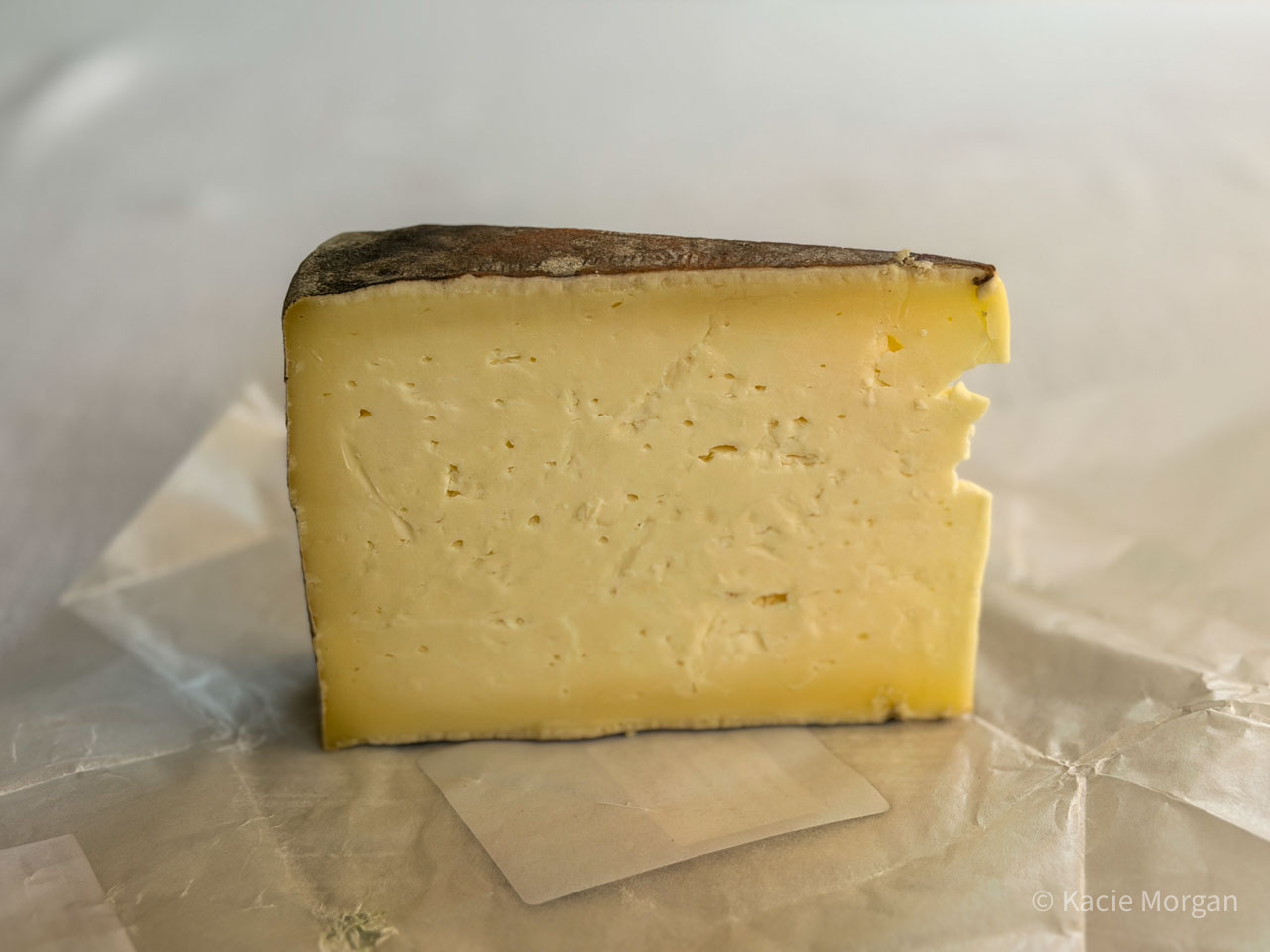
You can find Caerphilly cheese in some larger supermarkets, cheesemongers and Welsh food shops, or order it online. If you can’t get hold of it, a young or mild Cheshire cheese makes a good substitute, as it has a similarly crumbly texture and mild, slightly tangy flavour. Alternatively, use a mild Cheddar, although this will give the béchamel a slightly richer, more pronounced cheese flavour.
Combined with the Welsh Lamb, rosemary, Worcestershire sauce and red wine in the ragù, the Caerphilly makes for a rich and comforting lasagne with plenty of flavour, albeit slightly milder than a traditional lasagne made with PGI Welsh Beef and Cheddar.
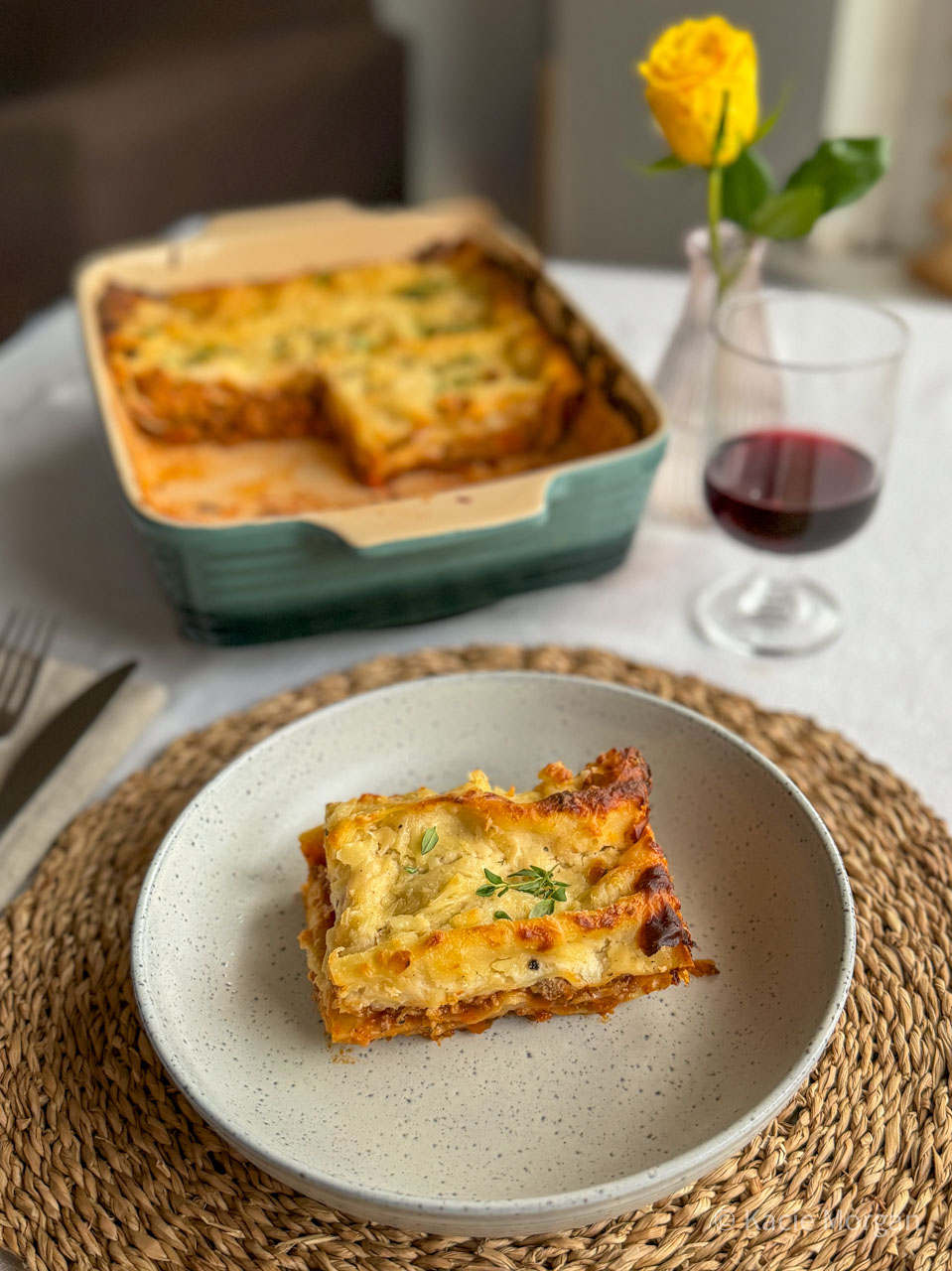
How to make my Welsh Lamb lasagne with Caerphilly Béchamel

Welsh Lamb Lasagne With Caerphilly Béchamel
Equipment
- 1 lasagne dish approx. 20cm long × 14 cm wide × 5cm deep
- 1 casserole dish or heavy-based deep frying pan
Ingredients
For the Welsh Lamb ragù
- 500 g Welsh Lamb mince
- 1 tbsp olive oil if needed
- 1 brown onion finely diced
- 1 large carrot finely diced
- 1 celery stick finely diced
- 2 garlic cloves finely chopped or crushed
- 1 tbsp tomato purée
- 150 ml red wine
- 400 g tin chopped tomatoes
- 150 ml lamb or beef stock
- 1 tsp Worcestershire sauce
- 1 tsp dried oregano
- 1 bay leaf
- 1 sprig fresh rosemary leaves finely chopped
- Salt and freshly ground black pepper
For the Caerphilly béchamel
- 50 g butter
- 50 g plain flour
- 600 ml whole milk
- 150 g Caerphilly cheese crumbled or grated
- ¼ tsp nutmeg
- salt and freshly ground black pepper to taste
To assemble
- 9 fresh lasagne sheets approx (enough for three layers)
- 50 g Caerphilly cheese grated
- 1 tsp fresh thyme leaves
Instructions
- If the lamb mince is relatively lean, heat the olive oil in a large frying pan, skillet or casserole over a medium-high heat. Add the mince and cook until well browned, breaking it up with a wooden spoon. Drain off any excess fat, reserving a little for cooking the vegetables, then transfer the lamb to a plate or bowl.

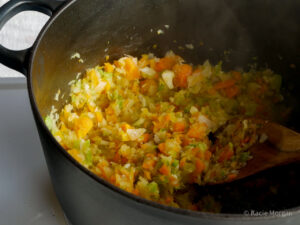
- Add a little of the reserved lamb fat to the same pan, followed by the onion, carrot and celery. Cook over a medium heat for 6-8 minutes, stirring occasionally, until softened. Add the garlic and cook for a further minute.
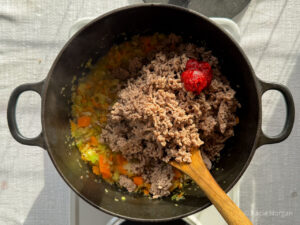
- Return the browned lamb to the pan. Stir in the tomato purée and cook for 1-2 minutes before pouring in the red wine, scraping up any caramelised bits from the bottom of the pan. Allow to bubble for a few minutes, until noticeably reduced.
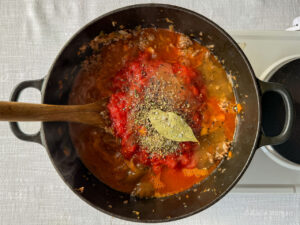
- Add the chopped tomatoes, stock, Worcestershire sauce, oregano, and rosemary. Season with salt and freshly ground black pepper.
- Bring to a gentle simmer and cook uncovered for 25-30 minutes, stirring occasionally, until the ragù is rich and thick. Remove and discard the bay leaf.
- Meanwhile, make the Caerphilly béchamel. Melt the butter in a saucepan over a medium-low heat. Add the flour and stir continuously for 1-2 minutes, then gradually whisk in the milk, adding a little at first and whisking until smooth before adding more.
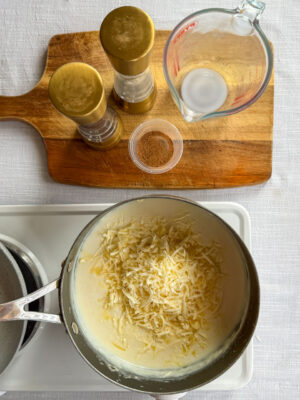
- Once all the milk has been incorporated, cook gently, whisking regularly, until the sauce has thickened. Remove from the heat and stir in 150g Caerphilly until melted. Add the nutmeg and season with salt and freshly ground black pepper to taste.

- Preheat the oven to 180°C fan / 200°C conventional. Spread a thin layer of lamb ragù over the base of the baking dish and top with a layer of fresh lasagne sheets. Add another layer of ragù followed by Caerphilly béchamel. Repeat with another layer of pasta, ragù and béchamel.
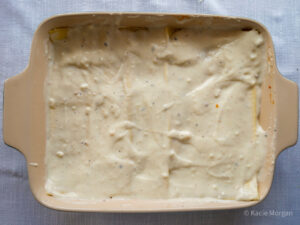
- Finish with a final layer of fresh lasagne sheets and the remaining béchamel, making sure the pasta is completely covered.
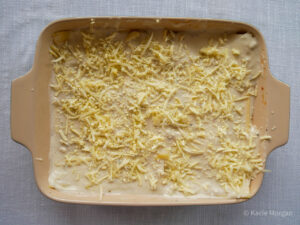
- Scatter over the remaining 50g Caerphilly.
- Bake uncovered for 30-35 minutes, until bubbling, golden brown and the pasta is tender. Remove from the oven and leave to rest for 10-15 minutes.
- Garnish with the fresh thyme leaves, then slice and serve.





Notes
- You can use dried lasagne sheets if you prefer, but fresh lasagne sheets are easier to cut to size to fit the dish if needed, and tend to cook more evenly.
- You may need to alter the quantities if you use a different size of oven or lasagne dish – I used a deep lasagne dish measuring 20cm long × 14cm wide × 5cm deep.
Nutrition
What to serve with Welsh Lamb lasagne
With layers of rich Welsh Lamb ragù, pasta and creamy Caerphilly cheese béchamel, this lasagne is hearty enough to enjoy on its own, although a few simple sides can help to turn it into a more substantial meal.
Serve your Welsh Lamb lasagne with a crisp green salad dressed simply with olive oil and lemon juice or balsamic vinegar, or pair it with seasonal green vegetables like broccoli, green beans or peas. Garlic bread is always a winner, too – especially for mopping up any leftover ragu!
How to store, freeze and reheat lamb lasagne
Leftover lamb lasagne can be stored in an airtight container in the fridge for up to three days. Reheat individual portions thoroughly in the microwave or oven until piping hot throughout.
Lasagne also freezes well, making it handy for batch cooking. Once completely cooled, portion the cooked lasagne into freezer-safe containers and freeze for up to three months. Defrost overnight in the fridge before reheating until piping hot throughout.
If you’re planning ahead, you can also assemble the lasagne in advance, cover it and refrigerate it before baking. I’d recommend baking it within 24 hours for the best results.
More Welsh Lamb recipes
Meaty, tender and subtly sweet, PGI Welsh Lamb lends itself well to a broad range of dishes, from hearty roast lamb dinners and traditional Welsh Lamb cawl to barbecue skewers and risottos.
Wondering what to cook with lamb? Here are some of my favourite lamb recipes:
Would you try Welsh Lamb in lasagne, or are you loyal to a classic beef lasagne? Do you have a favourite lamb recipe? Let me know in the comments.
Pin this post so you can find my Welsh Lamb lasagne recipe when you’re ready to get cooking!

This post is sponsored by Hybu Cig Cymru (Meat Promotion Wales).
Looks absolutely delicious! 😍🧀 This Welsh Lamb lasagne is such a perfect comfort food for the start of autumn. 🍂🍝
Thanks so much Neha! I’m glad you like the look of my Welsh Lamb lasagne and I agree, it’s ideal comfort food for autumn and winter.