
Set among the undulating hills of Corinthia in the northeastern Peloponnese, Nemea is often dubbed the ‘Bordeaux of Greece’ – and for good reason. As you enter the region, a sign reading “Welcome to Wine Land” offers a fitting introduction to Greece’s largest red wine appellation, and a rising star on the global wine map. Nemea is the beating heart of PDO Agiorgitiko production – a grape variety prized for its deep colour, velvety tannins, and generous red fruit. But the region offers more than great wine: terraced vineyards unfurl across sun-drenched slopes, olive groves ripple in the breeze, and the tiny chapel of Panagia tou Vrachou (Virgin of the Rock) nestles into the cliffs of nearby Mount Polyfengos.

While Nemea’s winemaking roots stretch back to ancient times, a new generation of producers is now redefining its future – and none more so than Panos Papagiannakopoulos, the youngest winemaker in the region.
A new voice in the ‘Bordeaux of Greece’
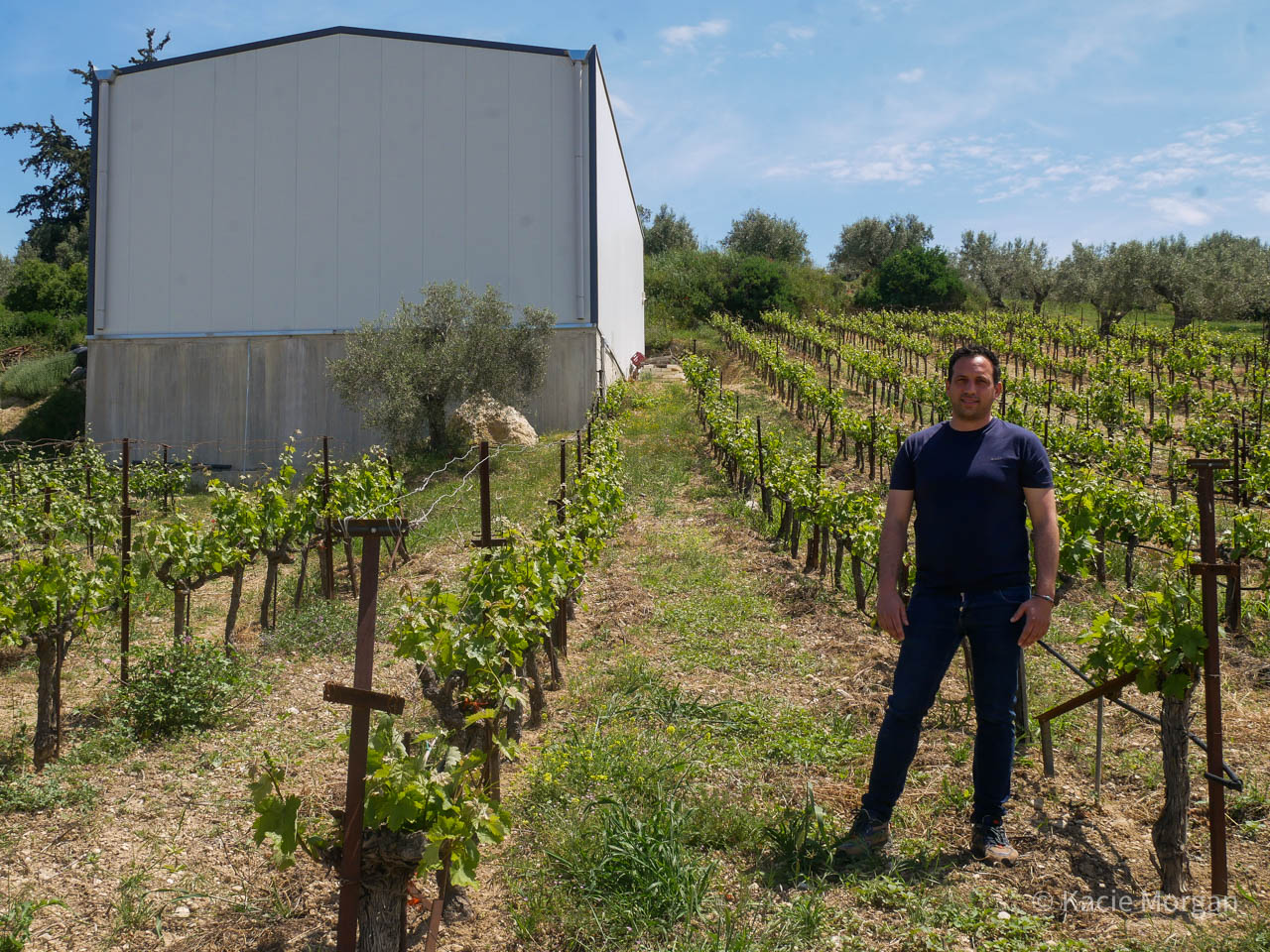
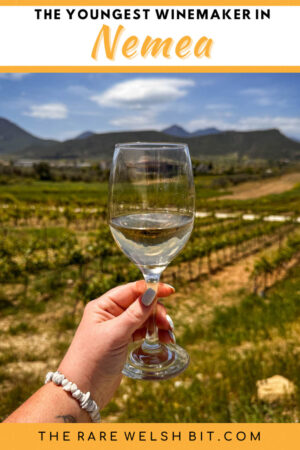
Just a short drive inland from the Corinthian Gulf – an area also celebrated for its PDO Corinthian raisins – Nemea’s landscape is stitched with vineyards and olive groves. At Papagiannakopoulos Winery, the setting is simple and purposeful: rows of vines stretch across gently sloping land, bordered by mature olive trees and set against sun-warmed hills.

Tucked among the vines is a modest winery unit – a simple, functional structure housing stainless steel fermentation tanks and bottled wine ready for distribution. There’s nothing showy about it, but it perfectly reflects Panos’ hands-on ethos and focus on substance over spectacle. In spring, bright red poppies bloom at the base of the vines – a natural sign of biodiversity and minimal intervention, and a vivid visual echo of the character found in his wines.

It was here that I met Panos Papagiannakopoulos – the youngest winemaker in the region at just 38 years old, and a rising star on the Nemea wine scene.
Rooted in tradition, shaped by the land
Raised among vineyards and surrounded by his family’s winemaking tradition, Panos was immersed in wine-making from a young age. Although he began studying oenology initially, he didn’t originally plan to become a winemaker. It was only after switching to agriculture that he embraced his passion for cultivating vines and working the land. In 2013, he returned to his roots to establish a small-scale winery focused on indigenous Greek varieties and low-intervention techniques, producing wines that express both place and heritage.
A tight-knit team in Koutsi
The winery itself sits just outside the village of Koutsi, in one of Nemea’s most coveted terroirs. Panos works closely with his colleague Matthew during harvest and cellar work, while a third, unofficial team member – his loyal mixed-breed shepherd, affectionately referred to as Takis – keeps gentle watch over the land. True to his breed, he patrols the vineyard like a quiet guardian, often seen pacing beside Panos as if guiding him through the rows. It’s a small, tight-knit team quietly shaping a new identity for Greek wine – one rooted in authenticity, patience, and respect for the land.
Panos is quietly crafting a new identity for Greek wine, one that leans into authenticity and respect for the land. He works with organic-certified vineyards, employs temperature-controlled fermentation, and aims to let each grape express its natural character with minimal interference.

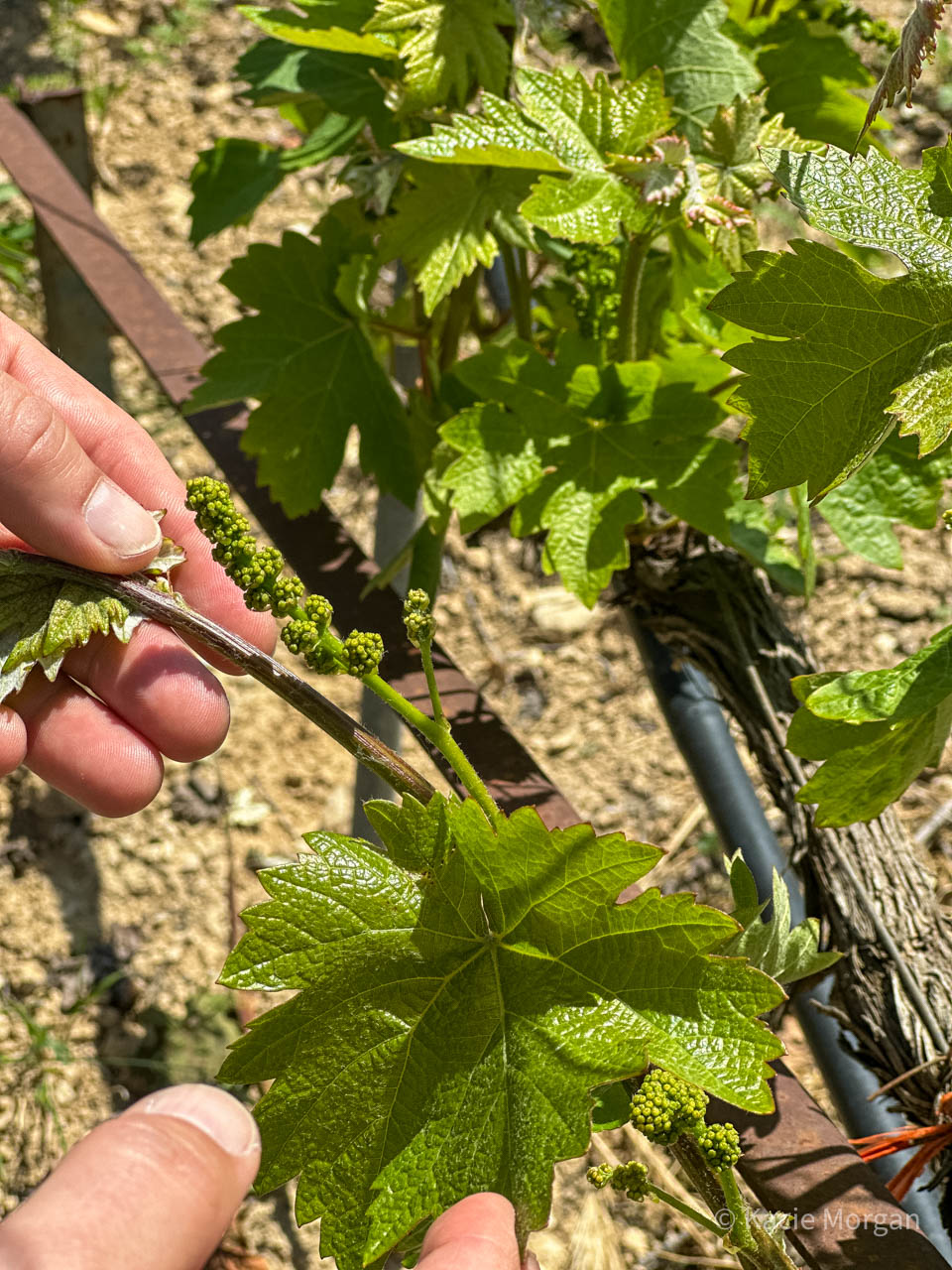
At the time of my visit, the vines were beginning to form grape inflorescences – the early clusters of tiny flower buds. These would soon bloom into flowers, eventually developing into grapes that are typically harvested from September onwards.

A focus on indigenous Greek varieties
Papagiannakopoulos Winery’s current range features a selection of five single-varietal wines made exclusively from indigenous Greek grapes.
The wine labels are just as considered as the wine itself – elegant, minimal designs that hint at the purity within. Designed by Panos’ cousin, Fotis Pakloris, a local freelance photographer-designer, the labels strike a balance between modern clarity and quiet artistry.
The current range includes five different wines, as follows:
Malagouzia (PGI Corinth)
Textured, floral and crisp, this expressive white bursts with grapefruit and peach, lifted by delicate jasmine notes. Panos captures Malagouzia’s natural exuberance while keeping the finish clean and refreshingly balanced.
Kidonitsa (Varietal wine)
A rare and elegant white grape delivering aromas of honey, apple and quince. Initially sharp with bitter, acidic edges, it softens beautifully on the palate into something sweeter and unexpectedly moreish. A brilliant food wine with gentle complexity.
Moschofilero (PGI Peloponnese)
Zesty and aromatic, this wine reveals melon-like notes with a honeyed lift and a clean, almost silky mouthfeel. Its perfume hints at rose petals and citrus blossom, with a flavour profile likened to the soft, perfumed flesh near a melon’s core. Bright and mineral – and my personal favourite of the five wines we sampled.
Agiorgitiko Rosé (PDO Nemea)
Delicate and dry, this pale rosé shows wild strawberry, pink grapefruit and a whisper of spice. The colour is drawn gently from the grape skins, which remain in contact with the juice for just 1–2 hours – a nod to the thinner skins of native Greek varieties compared to their French counterparts. Fresh, light and effortlessly drinkable.
Agiorgitiko Dry Red (PDO Nemea)
Deeply coloured and elegantly spiced, this classic Nemean red reveals plush plum and red berry fruit, backed by soft tannins, peppery notes, and a balanced acidity that gives lift to its long, intense finish. Structured yet smooth, it’s a refined expression of the region’s most celebrated grape.

Where to taste the wine: Sofos Restaurant
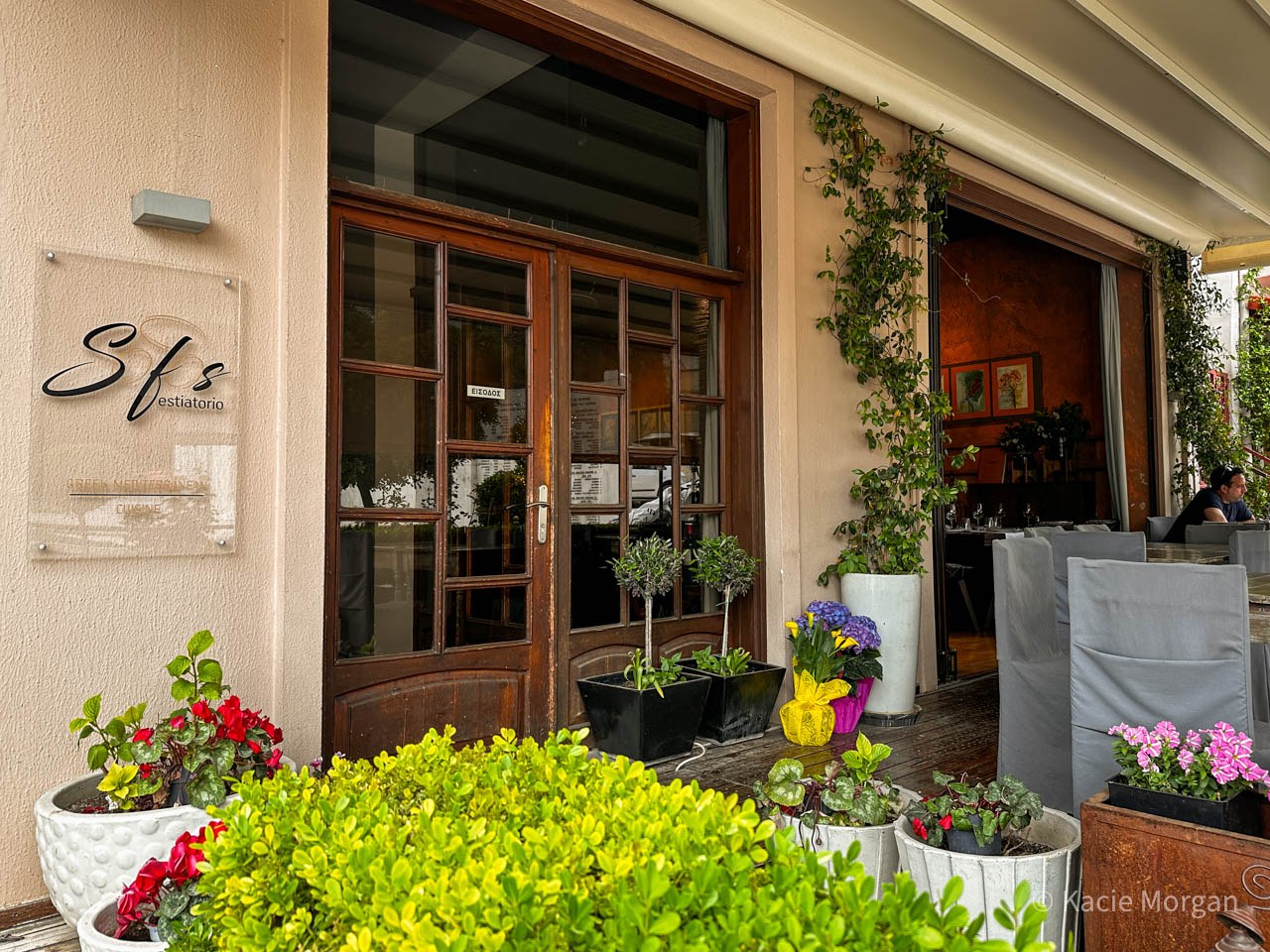
To experience the wines in their natural setting, I paid a visit to Sofos, a charming local restaurant in Koutsi known for celebrating regional produce and serving Papagiannakopoulos’ wines by the glass. Sofos is one of just two restaurants in this quiet winemaking village, making it a key stop for food and wine lovers.
Alongside Sofos is 17 Choria (17 Χωριά in Greek, meaning “17 Villages” in English), a concept co-created by local partners including winemaker, George Skouras of Domaine Skouras – based in nearby Malandreni in Argolida, within the wider Nemea appellation.

Sipping on Papagiannakopoulos Winery’s Kidonista, we sampled a selection of dishes from the a la carte menu.
We kicked off with cherry tomatoes and Greek mozzarella burrata drizzled with extra virgin Greek olive oil, followed by dolmades in a silky egg lemon sauce, and an earthy black truffle mushroom risotto.


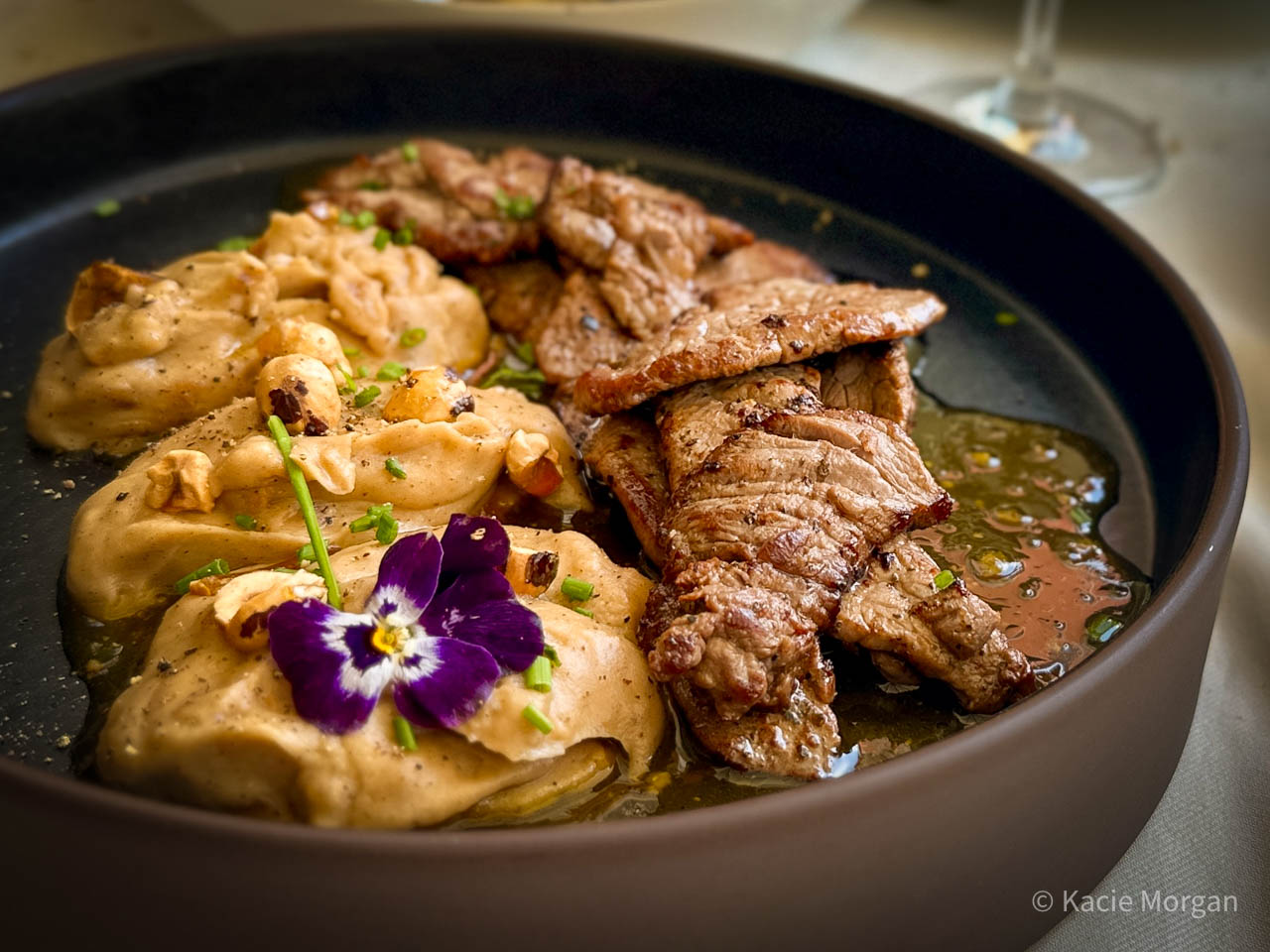
The show-stopping beef scallopini with celery purée, caramelised hazelnuts and orange sauce brought sweetness and richness in perfect balance.
One of the most deceptively delicious dishes was a simple plate of fava beans topped with caramelised onions, grape syrup and roasted pine nuts. The grape syrup – traditionally made by slowly simmering grape must until it thickens and sweetens – brought a rich, wine-like complexity that quietly echoed the vines surrounding us.

Looking ahead
While Nemea is rich in ancient history – from temples to the revived Nemean Games – it’s winemakers like Panos Papagiannakopoulos who are helping to shape its next chapter. Young, thoughtful and quietly revolutionary, he brings fresh energy to Greek wine through careful craftsmanship and a deep respect for indigenous grapes.
If you come across a bottle of his wine – whether in Nemea, Athens or abroad – it’s worth taking the time to savour it. Today, the winery produces around 40,000 bottles per year, with a strong focus on quality over scale. While much of the wine is sold within Greece, Panos also exports to destinations including the UK, the US, the Netherlands and Germany. Before the pandemic, he also sold into markets like Japan and Canada – and he hopes to revive some of those relationships in the future. In the UK, Aspris and Son currently stocks Kidonista, Malagouzia and Ypsilon Agioritiko.
Better still, visit Panos, Matthew and Tors for a wine-tasting session at the vineyard in person if you’re in the region.

Tip: Tastings at Papagiannakopoulos Winery are by appointment only. Call ahead to arrange your visit – especially during harvest season, when you just might catch the team in action.
Papagiannakopoulos Winery. Address: Θέση Μπογά Ζι (Thesi Bogazi), Nemea, Corinthia, 20500, Greece
I was invited to visit Papagiannakopoulos Wines on a complimentary basis while attending a press trip in the Peloponnese with DK Advertising. As always, my thoughts remain my own.