
Japan’s bustling cities are not only known for their vibrant culture and futuristic technology, but also for their serene parks and gardens, which provide a tranquil escape from the urban landscape. Tokyo and Kyoto, two of the country’s most iconic cities, benefit from a range of green spaces perfect for leisurely picnics, and peaceful strolls. Conveniently, the high speed train from Kyoto to Tokyo connects these two cities, making it easy for travellers to combine the two on a multi-city trip.
Exploring urban oases in Tokyo and Kyoto
Contrasting modernity and tradition, Tokyo is home to numerous parks providing a peaceful escape from the urban hustle. Amidst the skyscrapers and neon lights, these green sanctuaries provide a welcome spot for relaxation and reflection.
Often, Japanese parks and gardens play a crucial role in cultural and social life, hosting traditional festivals, seasonal celebrations, and community gatherings. They are not only places of natural beauty, but venues for cultural exchange and recreation. Many Japanese people enjoy picnicking in local parks with friends and family, especially during the cherry blossom and autumn foliage seasons.
After soaking in the tranquil beauty of Tokyo’s parks, you can travel to Kyoto in little over two hours on the Tokyo to Kyoto train. Travelling on this sleek bullet train will make for a memorable experience during your time in Japan. Before you know it, you’ll be able to see for yourself how the contemporary vibrancy of Tokyo contrasts with the historic charm of Kyoto.
Tokyo: calm amongst the chaos
Ueno Park: One of Tokyo’s largest and most popular parks, Ueno Park is famous for its cherry blossoms in spring. The park is home to several museums, and a zoo. During sakura season, it becomes a prime spot for hanami (cherry blossom viewing) picnics.
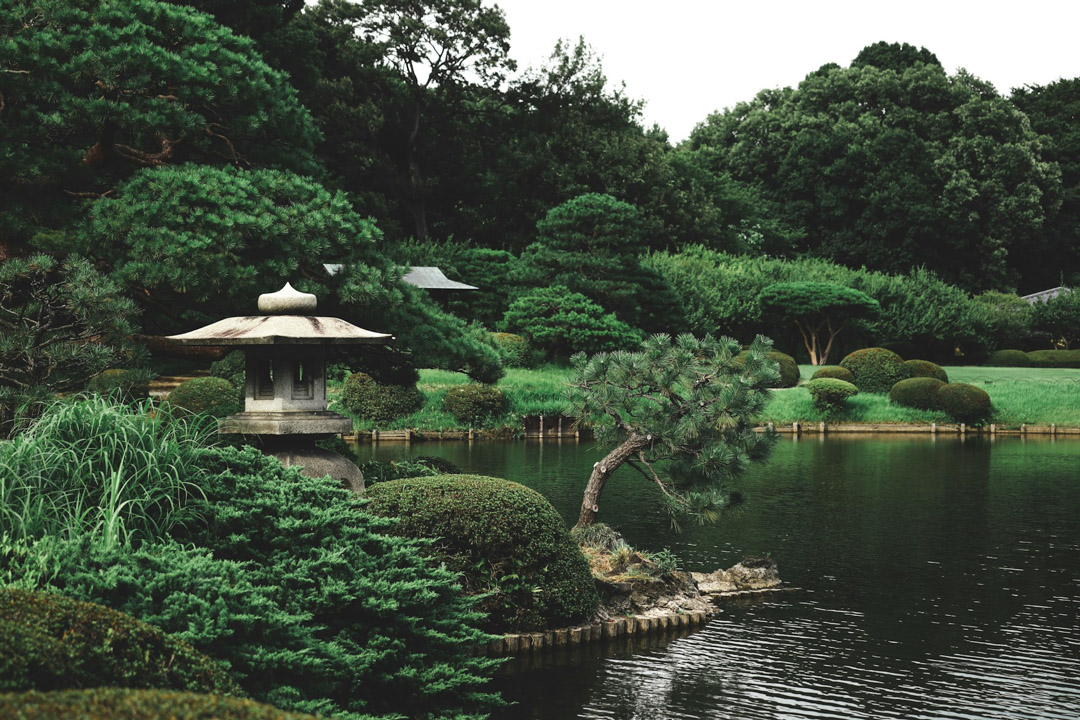
Shinjuku Gyoen National Garden: A blend of traditional Japanese, English, and French garden styles, Shinjuku Gyoen is a picturesque spot for a picnic. This idyllic garden comprises spacious lawns, tranquil ponds, and a greenhouse filled with tropical and subtropical plants.
Yoyogi Park: Known for its wide open spaces, Yoyogi Park is a popular gathering place for picnics, outdoor activities, and cultural events. The park’s forested area provides a quiet retreat, while the adjacent Meiji Shrine adds a spiritual dimension to your visit.
Imperial Palace East Gardens: Located in the heart of Tokyo, the East Gardens of the Imperial Palace are a part of the inner palace area, and are open to the public. The gardens feature meticulously manicured lawns, beautiful seasonal flowers, and historic ruins.
Kyoto: a city of gardens
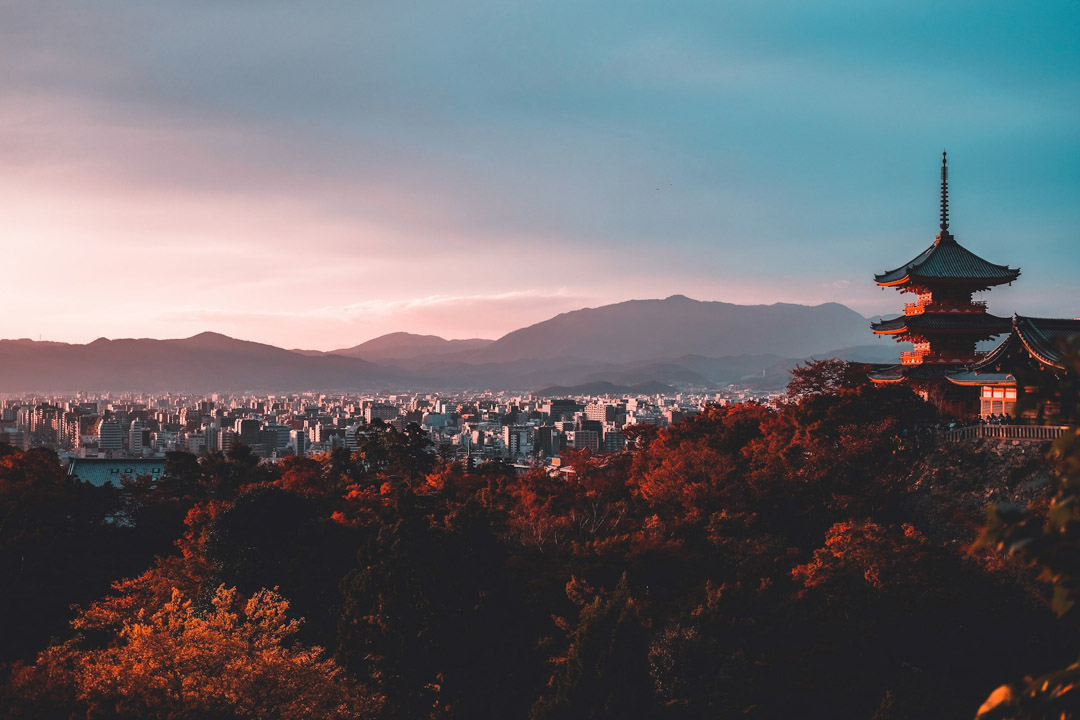
Kyoto, the ancient capital of Japan, is renowned for its classical gardens, temples, and traditional teahouses serving authentic teas, from green tea to oolong. The city’s parks and gardens are a testament to its rich history, and dedication to preserving natural beauty.
Maruyama Park: Famous for its weeping cherry tree, which becomes a focal point during the cherry blossom season, Maruyama Park is a popular spot for picnics and leisurely walks. The park’s traditional Japanese garden design and proximity to several temples make it a must-visit.
Arashiyama Bamboo Grove: While not a park in the traditional sense, the Arashiyama Bamboo Grove is a natural wonder that offers a unique experience. Walking through the towering bamboo stalks is both awe-inspiring, and calming.
Kinkaku-ji Temple (The Golden Pavilion): The temple’s surrounding gardens are a fine example of Muromachi period garden design, as a designated National Special Historic Site and Special Place of Scenic Beauty.
Kyoto Botanical Gardens: With over 12,000 species of plants, the Kyoto Botanical Gardens offer a diverse and colourful setting for a picnic or leisurely stroll. The gardens feature a conservatory, a Japanese garden, and various thematic gardens.
Tips for visiting Japanese parks
When visiting parks in Tokyo and Kyoto, always travel responsibly and respect the local etiquette. Put your litter in a bin or take it home, don’t pick any flowers or plants, avoid being too noisy, and follow any specific rules or guidelines posted in the park. Additionally, some gardens may have entrance fees or specific opening hours, so it’s always wise to check this out in advance.
The parks and gardens of Tokyo and Kyoto offer a peaceful counterpoint to the dynamic urban environment, showcasing the harmonious coexistence of city life and nature. They are not only a refuge for the soul, but a testament to Japan’s enduring appreciation for the beauty and tranquility of the natural world. Whether you’re seeking a quiet spot for contemplation or a scenic setting for a picnic, these green spaces are an essential part of the Japanese urban experience.
Do you have a favourite green space or park in Japan? I’d love to hear about it.