
AD
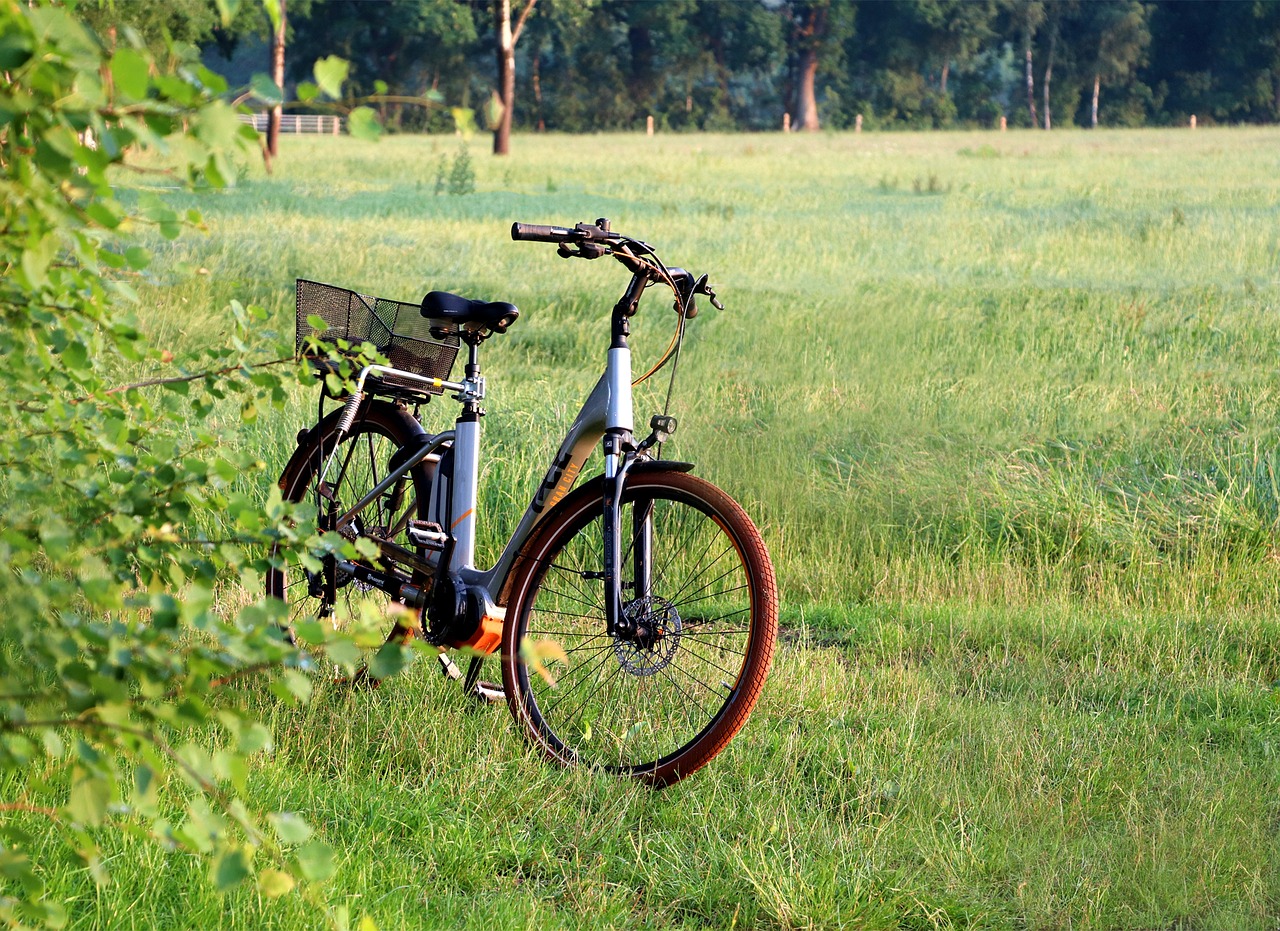
Electric bikes or ‘e-bikes’, or even an electric tricycle, work in a similar way to regular bikes, with powerful motors and advanced specs to make them easier to ride. For the past four years, these contemporary new bike have soared in popularity.
So, why are e-bikes becoming so popular? Well, for starters, they make riding a bike much easier. Hills that used to leave you gasping for air become conquerable with a little electric help. Plus, they’re a fun, eco-friendly and healthy way to travel – perfect for exploring your neighbourhood, or cruising to the park with friends.
Are electric bikes easy to ride?
You might be wondering, “Are e-bikes harder to ride than regular bikes?” Well, in actual fact, they’re not all that different at all. While they are somewhat heavier than regular bikes due to the motor, wires, and battery, most people adjust to this extra weight fairly quickly.
So, what makes e-bikes so easy to ride? Ultimately, it’s largely owing to these three major factors:
- Balance: If you can balance on a regular bike, you’ll be able to master riding an e-bike too. The basic concept of staying upright remains exactly the same.
- Controls: If you’ve spotted an e-bike for sale, you’ll probably notice that most e-bikes have similar controls to regular bikes – like handlebars, brakes, and pedals, for example. They may also feature an additional display showing battery level and assist mode, but these are usually very simple to control.
- Getting started: Most e-bikes offer different levels of electric assistance. You can start with a low setting to get comfortable with the extra power, and then gradually increase it as you get the hang of things. Some e-bikes even have a throttle function that works in the same way as an e-scooter, whereby you simply twist a grip to get going, without the need to pedal.
How fast can electric bikes go?
Many cyclists prefer riding electric bikes over regular bicycles. Most e-bike motors are designed to assist you, rather than to eliminate any need to pedal at all. This means they can typically help you to reach comfortable cruising speeds of around 15 to 20 miles per hour. That’s a pleasant pace for enjoying the ride, taking in the sights, and getting some exercise without feeling winded.
Here’s what you need to know about e-bike speeds:
- Motor limitations: E-bike motors have a pre-set maximum speed at which they stop providing assistance. This is often set at 20mph for Class 1 and 2 e-bikes, and 28mph for Class 3 e-bikes (more on these classifications later on). So, even with the motor helping, you won’t exactly be zooming past the cars!
- Your power still counts: Even after the motor cuts off, you can still pedal your e-bike faster if you’re feeling strong! Due to the added weight, it might require more effort than a regular bike, but it’s definitely achievable for experienced riders.
- Safety first, speed limits second: Remember, safety should always be your priority. Even though you may be tempted to push your e-bike to the limit, it’s important to obey any speed limits.
While e-bikes won’t quite break any land speed records, they can offer a comfortable and enjoyable way to travel. And, if you’re wondering how far an ebike range can go, in essence it all depends on the capacity of the battery. Some e-bikes are equipped with more than one battery, which means you can ride them for longer before needing to recharge them.
Are electric bikes safe?
Electric bikes are a fantastic way to get around but, just as with any new mode of transportation, safety comes first. Here’s a breakdown of what makes e-bikes safe, as well as some tips for a smooth ride.
- Braking basics: Just like regular bikes, e-bikes come equipped with brakes on both wheels. The good news is that the extra weight of the motor and battery can actually help you stop more effectively. However, it’s always a good idea to practice braking in a safe, open area before heading out on the road. Get familiar with how much pressure is needed to slow down comfortably.
- Be seen, be safe: E-bikes are quiet machines, so it’s important to make yourself visible to pedestrians and cars. Use a bright headlight during the day, and a strong taillight at night. Wearing reflective clothing can also give you an extra layer of visibility, especially in low-light conditions.
- Defensive riding is key: The same defensive riding skills you use on a regular bike apply to e-bikes too. Stay alert, be aware of your surroundings, and anticipate potential hazards like potholes, or merging cars. Remember, even though e-bikes might feel as though they’re faster, they should still be treated like bicycles when it comes to sharing the road with other vehicles.
- Helmet up: This one’s a no-brainer. Wearing a properly fitted helmet is essential for protecting your head in case of a fall. It’s the law in many places for younger riders, but it’s a good practice for everyone, regardless of age.
- E-bikes vs. motorcycles: Here’s where e-bikes shine in terms of safety. Unlike motorcycles, e-bikes don’t require a special license, and are much lighter and quieter. They also lack the high speeds and powerful engines associated with motorcycles, making them a safer choice for casual riders.
Electric bikes are can be fun and efficient modes of transport – not to mention being better for the environment than traditional vehicles, too. If you’re looking to purchase a beginner-friendly model, consult trusted websites and/or suppliers or, if you know someone who owns an e-bike, ask them if you can take it for a test drive. Whether you’re planning on taking your e-bike abroad or perhaps simply cycling in Wales or elsewhere in the UK, it’ll help to take the hassle out of your journey. That said, if you’re considering investing in your own e-bike, many sellers will let you take them for a ride before you buy. Riding electric bikes can open up a whole new world of adventure for you; just make sure you’re aware of what to expect so that you can stay safe, and make the most of your journey.
Have you ever rode an e-bike? What did you make of the experience? Let me know in the comments.
AD