
The best souvenirs are the ones you’ll actually use. Not the dusty fridge magnet or novelty T-shirt, but something that tastes good, feels meaningful, or retains its value long after the trip ends. If you want keepsakes that genuinely matter, it pays to look beyond the airport gift shop and choose with intention.
Choosing better souvenirs is less about spending more and more about thinking smarter. The right edible treat, handcrafted piece, or value-holding keepsake can carry your travel memories forward for years. Here’s how to pick items that travel well, feel authentic, and help you avoid inflated tourist pricing.
Food gifts that travel well and taste like the place
Food souvenirs continue to grow in popularity because they connect memory to flavour. Travel industry reporting has highlighted the rise of grocery tourism, where visitors bring home regional pantry staples rather than generic trinkets. Every time you cook with that spice blend or brew that local tea, you’re transported back to where you discovered it.
The key is choosing items that can handle the journey home. Shelf-stable, factory-sealed goods are usually the safest option for flights and border checks, meaning fewer worries about spoilage or customs issues when you land.
Before you buy, look for options like:
- sealed spices, tea blends, or ground coffee from local producers
- properly packaged sweets, biscuits, or confectionery
- regional condiments in sturdy, well-wrapped containers
Always check import rules before travelling. Restrictions on meat, dairy, and fresh produce can result in fines or confiscation at the border, so a quick review of official guidance is well worth the effort.
How to spot genuinely local crafts
Markets often mix true artisan work with factory-made imports. A handwritten sign claiming something is handmade doesn’t guarantee it was produced locally, so knowing how to tell the difference protects both your budget and the meaning behind your purchase.
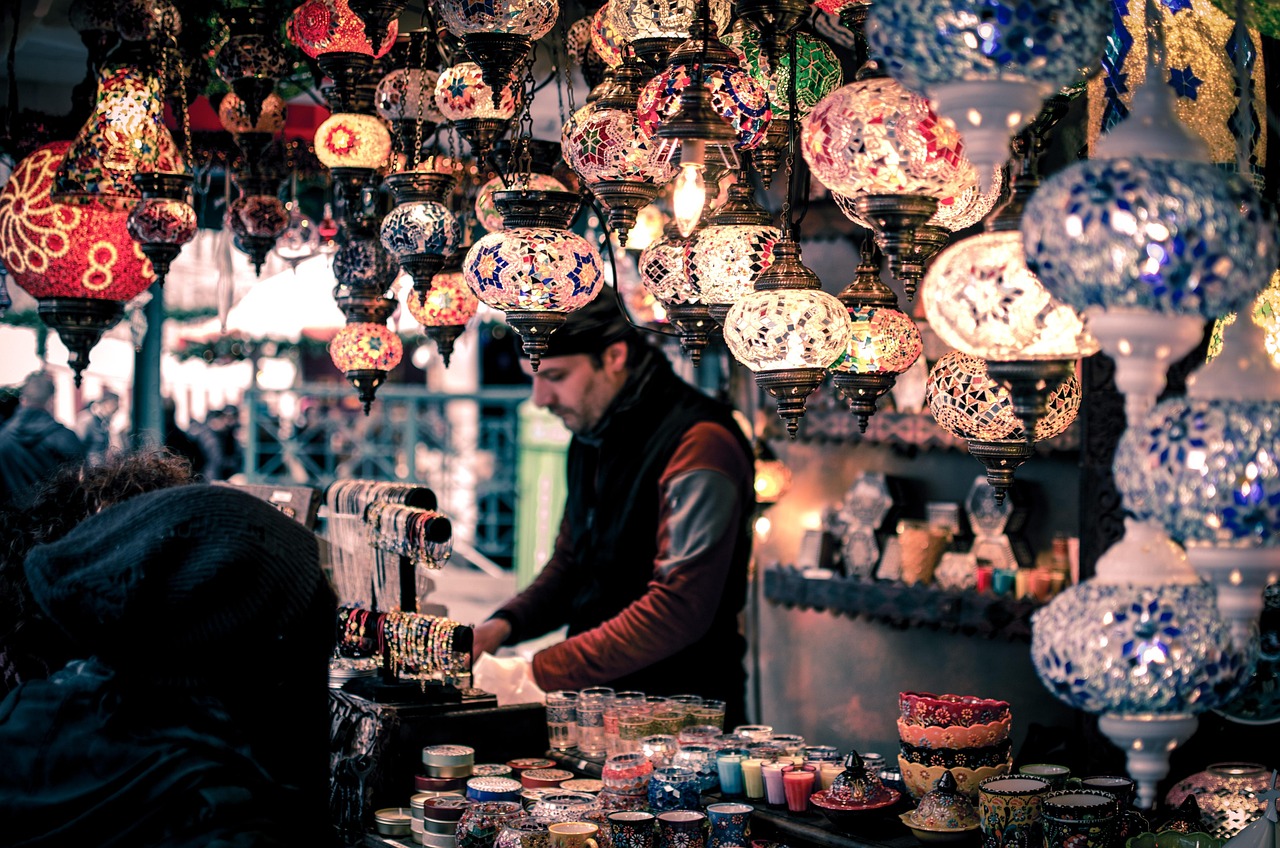
Start by shopping where residents shop. Community craft fairs, cooperative workshops, and neighbourhood markets tend to offer more transparency than high-traffic tourist areas. When you can meet the maker or learn about the workshop, the story becomes part of the keepsake.
Ask clear, direct questions such as:
- where is this made
- who makes it
- what materials are used
Confident, detailed answers usually point to genuine craftsmanship. Vague or inconsistent responses can be a red flag for mass production.
Pay attention to finishing details too. Well-made ceramics should feel balanced and smoothly glazed, while textiles should have secure stitching and neat edges. These small quality markers often separate a lasting piece from an impulse buy.
Avoiding tourist mark-ups without losing the magic
Atmosphere can influence how we perceive value. A stall in a picturesque square may charge more than one a few streets away, even when the products are similar. Understanding that pricing reflects location as much as craftsmanship helps you make clearer decisions.
Compare similar items before committing. If multiple shops sell near-identical pieces at very different prices, you’re likely looking at resale stock rather than unique local work. Taking a little extra time to browse can prevent regret later.
Negotiation may be appropriate in some destinations, but respect should guide the interaction. Paying a fair price supports artisans and helps sustain traditional skills. Value isn’t simply about paying less, but about understanding what you’re receiving in return.
Value-holding keepsakes and smart silver choices
Some travellers want a souvenir that offers more than sentiment alone. Jewellery is a popular option, yet tourist areas often sell silver-plated pieces or heavily marked-up sterling items. Without clarity on purity or weight, it can be difficult to judge whether the price reflects real value.
If you prefer a keepsake with transparent pricing, bullion offers a clearer structure. Silver bars are typically priced according to the live market rate plus a stated premium, making costs easier to understand and reducing much of the guesswork associated with decorative pieces.
When choosing a gift that extends beyond nostalgia, it can make sense to explore silver bar options through a reputable dealer that clearly lists weight and purity. Options specifying .999 fine silver and transparent pricing allow you to see exactly what you’re paying for, combining memory with measurable worth.
Make souvenirs that last part of your travel story
Lasting souvenirs balance meaning with practicality. Edible finds bring back flavours and shared moments, handmade crafts reflect local skill and heritage, and carefully chosen value-focused keepsakes offer added confidence over time. Each intentional purchase shapes how you remember your journey long after you return home.
What’s the best souvenir you’ve ever brought home from a trip? Something you still use, eat, or truly value – share it in the comments.