
Although many people think of travelling as an opportunity to relax and explore different places, in reality, there is much more to consider than this. When it comes to planning any trip, it’s important to think about everything that will be involved in getting to your chosen destination – from getting a visa, to checking when your train leaves.
As such, what should be an enjoyable holiday experience can often become a rather stressful matter. What’s more, even the best laid plans can go to waste; many things can go wrong when travelling, so it’s crucial to be prepared and be able to feel confident in handling different potential scenarios and obstacles.
Here are some of my top tips for avoiding holiday prep stress:
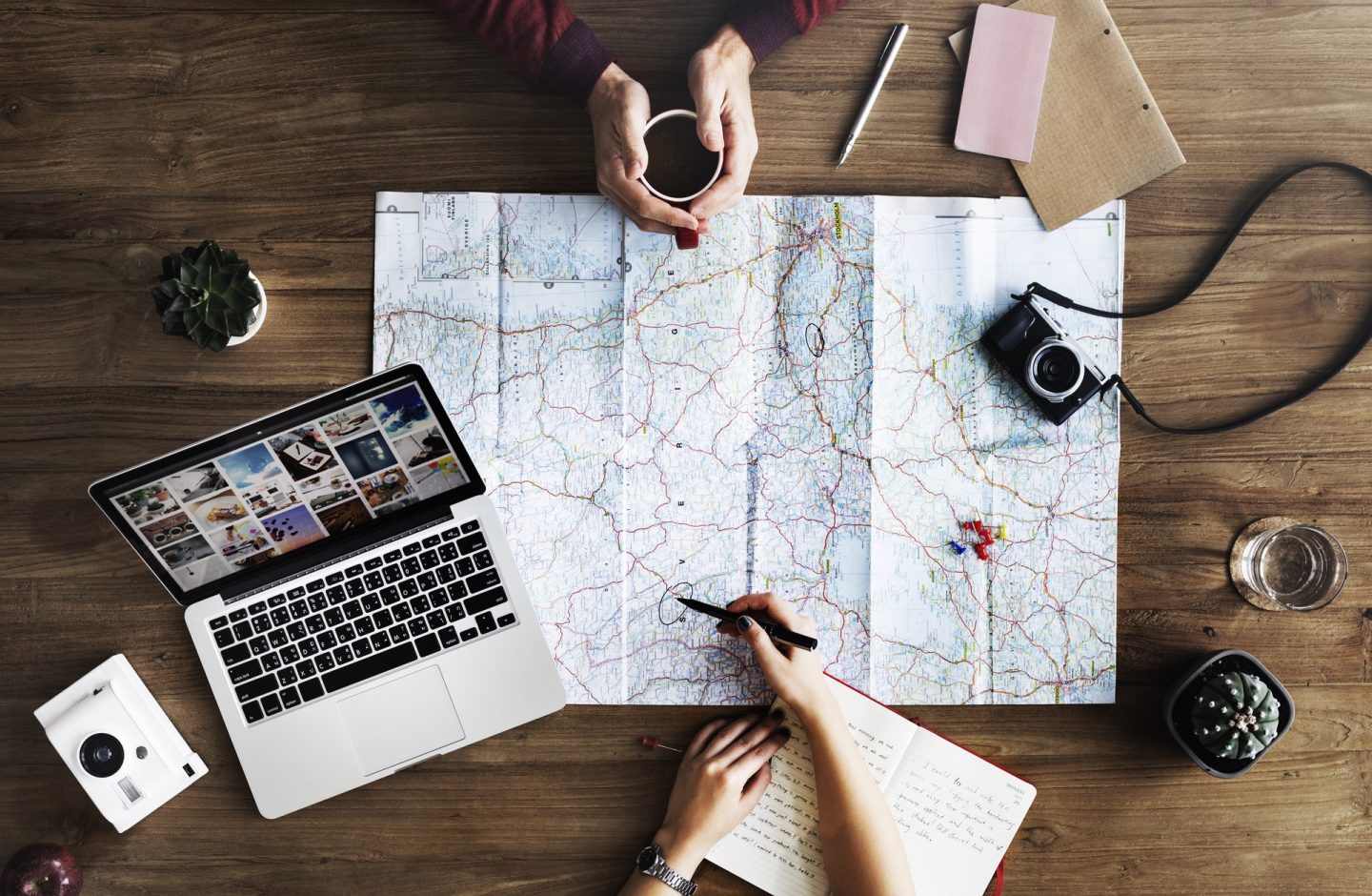
Start with the basics
Firstly, there are a few basic decisions that every traveller needs to make. For example, you can start by determining what type of trip you want to take; whether you want to go on a beach holiday or embark on a cultural journey through Europe, there’ll be different implications to consider.
Additionally, it’s a good idea to have an approximate idea of the timing of your trip. Consider whether you want to just take a few days off, or perhaps spend several weeks away from home. This will help you to choose both the right destination, and the right time for you to go away.
Get the right travel documents
Focus on getting the right travel documents well in advance of your trip. Find out how much it will cost to obtain any necessary visas or travel documentation, and ensure your documents are in the required format. For example, it may be necessary to convert from a PDF to a Word document, in which case you can upload a file here to get started and check that you have everything in order. Not having the right documents for your chosen destination may mean you might not even be able to enter the country in the first place. So, it’s essential to check you have all the required documentation, such as a passport, visa, travel vaccinations, travel insurance, and so on.
Consider your budget
Another key factor that’ll largely dictate where you can travel to, and what you can do during your stay, is your travel budget. Take a look at your finances and determine what you can afford to spend on going away, and whether you’ll need to save more money to travel with. Preparing a travel budget might not seem like the most fun part of your trip, but it can give you peace of mind that you’ll be getting the most for your money and avoiding over-spending, especially if you’re going on a long-haul holiday.
To begin with, take a look at your biggest expenditures, like your plane ticket. Then, you can estimate expenses for other aspects of your trip, like your accommodation, food, transportation, and shopping, and work out how much you can afford to spend in each area .
Buy travel insurance
Accidents can happen at any time, so it’s crucial to stay protected while travelling by getting travel insurance. There are many travel insurance companies that offer insurance policies which can easily be set up online or over the phone, no matter where you want to go. Besides considering your travel health, it’s also important to know that your valuables will be covered in the event they are stolen. When choosing the right travel insurance policy, you should read the fine print to ensure it covers everything that you need, and be sure to check any exclusions too.
Create a route
Once you know where you’re going, the next step is to create a route that’ll allow you to do and see everything you have in mind. It might be beneficial to read more about the destination on travel websites, and look at travel bloggers’ recommendations too. This way, you’ll know how many nights you can spend in different region during your trip, and decide what is actually worth seeing there. You can also use social media platforms like Instagram and Pinterest to discover beautiful places you can visit, and plan your itinerary.
Find suitable accommodation
Next, it’s important to find accommodation that fits your needs and budget. It’s recommended to do plenty of research beyond the most popular hotel chains, as you might come across a few interesting options. For example, you may find some charming bed and breakfasts, guest houses, or organic farms, which may offer a more intimate, authentic holiday experience while also enabling you to support local family businesses. Not only are these lodgings usually more affordable, but they also provide travellers with the opportunity to experience local culture first-hand. Before booking accommodation, be sure to read reviews online to get a better idea of what to expect once you arrive.
Arrange transportation
If you want to ensure that you see everything on your list, you’ll need to check you can get to the places you want to go to. This means arranging, or planning, transportation that’ll make it easier for you to get around. Most of the time, buses and trains are good options to consider, so you may want to check the local routes and timetables and see if there are buses that work for you. You could also check whether you need to buy tickets in advance; sometimes, it can be cheaper to travel this way vs. paying for your ticket on the day.
Plan activities
For me, one of the best parts about planning a holiday is listing out all the different activities I’m hoping to experience, and all the sights I want to see. Check out blogs and travel guides to find the best places to go, the must-see local landmarks, and the top local restaurants to eat at. You might even be able to find some unique tours of the cities you are visiting; I always enjoy taking specialist food tours and hidden city tours while travelling.
Dependent on the time of your trip, you might also be able to attend local festivals, carnivals, or musical events, for example.
Minimise travel problems
While it might not be possible to avoid some of the most frustrating travel problems, there are some steps you can take to minimise their impact. For example, when it comes to delayed or cancelled transportation, it’s always advisable to be prepared by seeking alternative routes and making sure you’d have a plan B and know who to contact in these situations. There are also many unexpected travel expenses that you might need to deal with on your trip, so you should travel with a spare credit card and/or cash that you keep separate to your main purse or wallet, and aim to check-up on your budget and spending regularly to ensure you don’t run out of cash.
Pack your bags
As a rule of thumb, travellers should always create a packing list by writing down all the essential items they’ll need for their trip. Although things like toothbrushes and shampoos can easily be replaced, this might not be the case for items like medication, or eyewear that might be difficult to find in your destination. Therefore, leaving everything to your memory when packing your bags may not be the best idea, especially if there are certain items you cannot replace. In addition, always check you have your passport, wallet, credit cards, as well as chargers for all of your electronics.
Stay flexible
To ensure you enjoy your trip, it’s important to let go of your worries and remember that, sometimes, things will not go to plan. It’s important to stay flexible when it comes to your travel plans; often, our best memories are unplanned. While it’s important to stay organised as much as possible when travelling, allow yourself some spontaneity. Always leave a little extra room for exploring new places you discover along the way or heading off the beaten path in search of adventure, as you may find yourself spending more time in a certain destination than you expected.