
Thinking about swapping the UK drizzle for Australian sunshine? With vast beaches, laid-back cities, and a famously outdoor lifestyle, it’s easy to see the appeal. But before you book a one-way ticket, it’s worth understanding what day-to-day life looks like on the other side of the world – from the climate and wildlife to visas, housing, and the practicalities of settling in.
Climate
Australia is huge, and the climate changes dramatically from one region to another. Sydney and Brisbane sit in a subtropical zone – meaning hot, humid summers and mild winter. Head south to Melbourne or Adelaide, and you’ll find cooler winters. Inland areas can be scorching in summer, and surprisingly chilly at night.
The environment is also very different to what most newcomers from the UK are used to. Expect intense UV levels, strong sunshine, and occasional extreme weather. Hats, sunscreen, and staying hydrated quickly become part of everyday life. Good health insurance, solid home insulation, and a reliable vehicle are also worth prioritising.
Wildlife
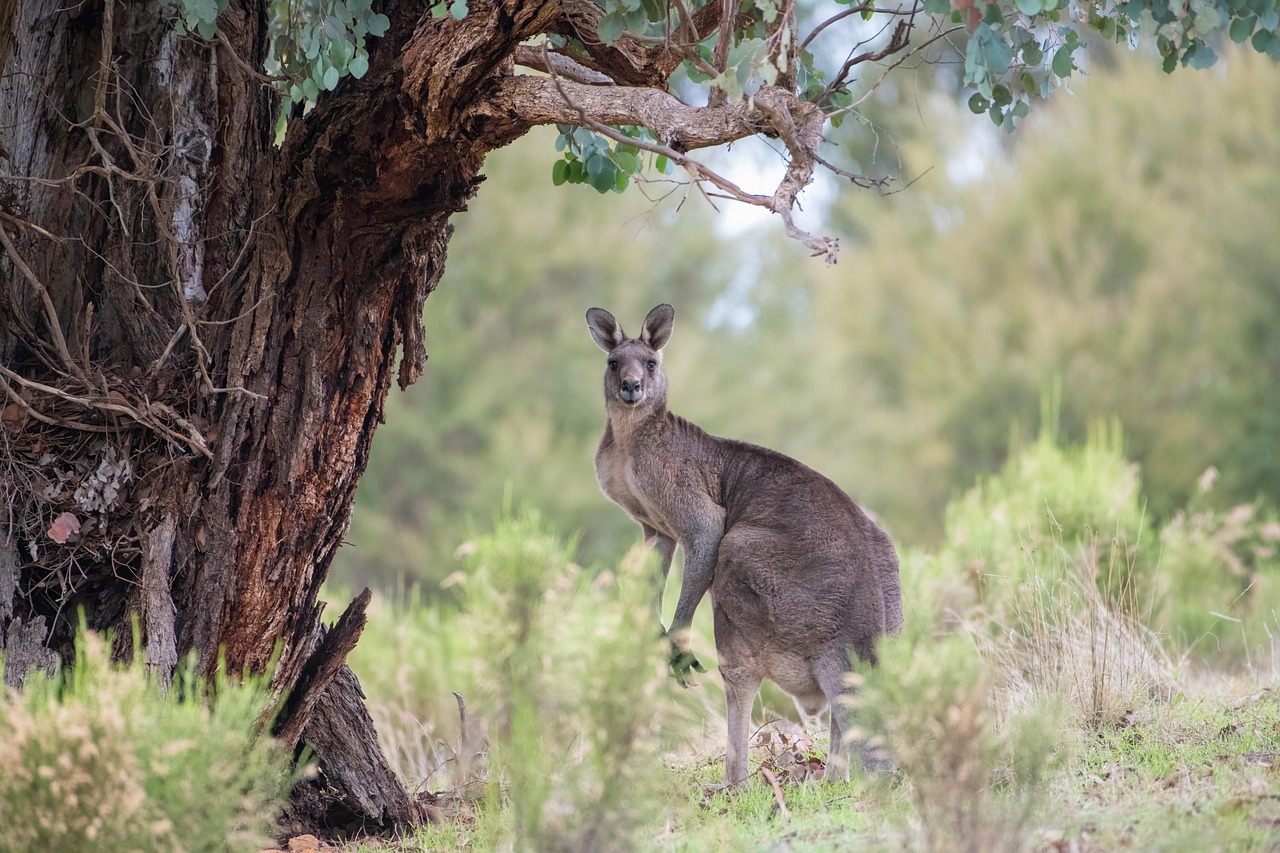
One of the biggest culture shocks for newcomers – especially Brits – is Australia’s wildlife. Colourful parrots, kookaburras, and possums are common sights in suburban areas, and kangaroos or dolphins aren’t unusual near the coast. Head into the bush and you may spot wallabies or echidnas.
But Australia’s biodiversity comes with safety considerations. It’s worth learning the basics about snakes, spiders, jellyfish seasons, and beach safety. Serious incidents are rare, but being aware of local advice will help you feel more confident outdoors.
Housing
Detached houses with gardens are the norm in many suburbs, while apartments in Australia tend to be more common (and expensive) in city centres. When house-hunting, pay attention to insulation, air-conditioning, heating, and access to local amenities. Costs vary hugely between major cities and regional towns, so your preferred location will make a big difference to your budget.
Transportation
Transport varies by city. Sydney, Melbourne, Brisbane, and Perth all offer good public transport networks with buses, trams, or trains. Outside major cities, however, public transport can be limited, and most people rely heavily on a car. When travelling in Perth, hire a car if you can – attractions and amenities are often quite spread out, so travelling on public transport or relying on walking can be tricky.

Lifestyle
Australia’s lifestyle leans outdoors – think barbecues, beach days, farmers’ markets, coastal walks, and plenty of light-filled homes with gardens or terraces. It’s relaxed, spacious, and ideal for anyone who enjoys travel and nature, and – like me – is keen to sample what Australian food has to offer.
That said, the cost of living can be high. Housing, fuel, childcare, and leisure activities all add up, so planning ahead financially will help you settle in with fewer surprises.
Essential documents for settling in
Before you do anything else, look into visa requirements. For UK citizens, there are clear pathways thanks to strong bilateral arrangements, but you’ll still need to organise key documents. Depending on whether you’ll be travelling to study abroad or to work abroad, the range of documentation you may be asked to provide includes
- a valid UK passport
- medical checks
- police clearance certificates
- a compliant passport photo
High-quality ID photos are essential for visas, licences, and registrations. You can take an Australian passport photo online using a service such as PhotoMachine, which automatically crops and formats the image to the correct specifications for passports, visas, baby passports, driving licences and more – saving time and hassle.
Most visa applications are completed online through the Australian Department of Home Affairs website. Processing times vary from a few weeks (working holiday visas) to several months (skilled migration).

Long-term visa options for UK citizens
Some of the most common options include:
- Skilled Independent Visa (subclass 189) – for workers with occupations on the skilled list.
- Skilled Nominated Visa (subclass 190) – requires state sponsorship and offers permanent residency.
- Working Holiday Visa (subclass 417) – for 18–35-year-olds looking to work and travel for up to three years.
- Temporary Skill Shortage Visa (subclass 482) – for applicants with an employer willing to sponsor them.
If you’re considering long-term residency, start gathering paperwork early. You’ll need academic transcripts, proof of work experience, and high-quality scans of your ID.
Things to remember when you move
- Healthcare: Medicare mainly covers citizens and permanent residents. New arrivals usually need private health insurance.
- Work: Having a profession on the skilled occupations list can streamline the visa process.
- Tax and banking: Open an Australian bank account and get to grips with local tax rules.
- Distance from home: The time difference and distance from the UK can take some getting used to.
Moving to Australia can be an incredible experience, but it’s one that rewards preparation. Think carefully about climate, location, housing, and lifestyle costs. Sort your admin early – visas, ID photos, insurance, banking – and settling in will feel much smoother.
Once everything is in place, you’ll be free to enjoy the beaches, cafés, wildlife, and wide-open landscapes that make Australia such an unforgettable place to live. Ready to make the move?
Have you ever made the move to Australia? Leave a comment sharing any advice you’d offer to others in your position.