
Food travel often begins with a craving, whether it’s fresh seafood by the coast, a traditional Welsh cake in a local café, a countryside tasting menu or street food discovered on a weekend away. Yet the meals people remember most are rarely about flavour alone. They’re shaped by the atmosphere, the welcome, the surroundings and the feeling of being there.
A great menu may tempt guests through the door, but ambience is what transforms a meal into a lasting memory. For restaurants, cafés, wine bars and food-led destinations, the experience begins long before the first bite.

First impressions begin before the food arrives
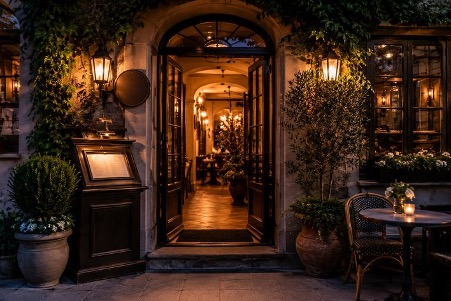
Visitors often decide how they feel about a venue within moments of arriving. The entrance, greeting, lighting, music and table setting all help to create that all-important first impression.
A restaurant tucked away on a quiet street can still feel special if it’s warm and welcoming, while a classic coastal café may become memorable through thoughtful interiors, local artwork and views that connect diners to the landscape. Guests may have booked because of the menu, but they’re already judging the overall experience before they’ve ordered.
For many food travellers, that’s exactly what they’re looking for. They want a meal that tells a story, not just somewhere to eat.
Lighting changes the mood
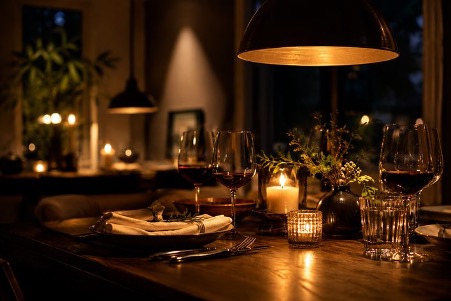
Lighting is one of the simplest ways to influence how a space feels. Bright, harsh lighting can make a restaurant seem rushed, while softer lighting encourages guests to relax, linger over dessert and enjoy the occasion.
Natural light suits cafés, bakeries and brunch spots, while pendant lighting, candles and wall lights create a more intimate feel during evening service. It also helps showcase carefully presented food, drinks and table settings.
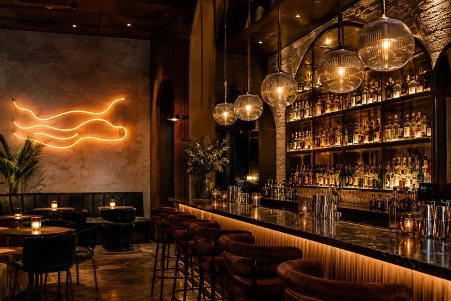
Decorative lighting can also reinforce a venue’s personality. Used sparingly, even something simple can add warmth and character without distracting from the dining experience. Custom design neon signs can reinforce a venue’s identity rather than simply decorating a wall, for example. Whether displaying a restaurant’s name, a local saying or a memorable phrase, they can become a distinctive part of the space.
Local character creates a sense of place
One of the biggest reasons people travel for food is to experience somewhere different. While great food is essential, visitors also want to feel connected to the destination.
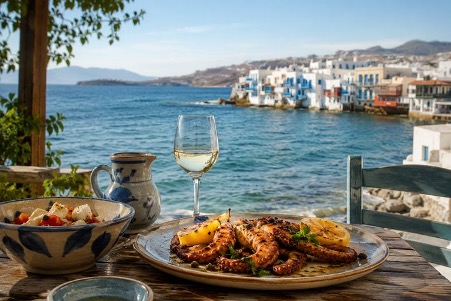
Restaurants that celebrate local ingredients, regional drinks, handmade ceramics or artwork by local artists create a stronger sense of place. A country inn with exposed stone walls and seasonal menus feels authentic because every detail reflects its surroundings, while a seaside restaurant can draw inspiration from the coast through its décor, colours and uninterrupted views.
The most memorable venues don’t feel as though they could exist anywhere. Instead, their identity is shaped by their location.
Design helps guests remember the experience
The spaces people remember are often those with distinctive design features, whether that’s a beautiful bar, an open kitchen, a garden terrace or striking artwork.
These details become part of the story guests tell afterwards. Rather than remembering only what they ate, they remember the atmosphere that surrounded the meal.
Subtle branding can also work well when it complements the space. A meaningful local phrase, restaurant name or decorative feature can reinforce a venue’s identity without dominating the room. When used thoughtfully, these finishing touches encourage guests to remember and share the experience.
Atmosphere encourages guests to stay longer
A strong menu may satisfy hunger, but a welcoming atmosphere encourages people to slow down. Comfortable seating, thoughtful lighting, friendly service and carefully chosen music all influence how long guests choose to stay.
This is particularly important for visitors, many of whom have planned their day around a memorable meal. A relaxed environment encourages them to order another drink, enjoy dessert or simply spend more time soaking up the surroundings.
Often it’s the smallest touches that leave the biggest impression, whether that’s a server explaining a local cheese, a table overlooking the sea or a handwritten recommendation on the menu.
Food presentation works better in the right setting
Presentation doesn’t end on the plate. The tableware, lighting, glassware and surroundings all influence how a dish is experienced.
A rustic meal feels more at home on handmade pottery in a relaxed setting, while fine dining benefits from crisp linen, elegant glassware and carefully considered details. Likewise, afternoon tea feels even more special in a bright room with floral touches and traditional cake stands.
When the setting complements the food, the entire experience feels more cohesive and memorable.
Food travellers naturally capture their experiences, photographing dishes, drinks, interiors and views as a way of remembering their trip as much as sharing it online.
Restaurants with attractive, well-designed spaces give guests more reasons to reach for their camera. A beautifully lit dining room, an inviting terrace or an eye-catching design feature can all become part of the story people take home.
Thoughtful decorative features, including subtle lighting elements, can help create memorable spaces without feeling overly staged or distracting from the food itself.
Service brings the space to life
Even the most beautifully designed restaurant can fall flat without warm, attentive service. Hospitality plays just as important a role in creating atmosphere as the décor or lighting.
Many diners enjoy learning about local ingredients, regional dishes or suggested wine pairings. Friendly, knowledgeable staff who share these details naturally can enrich the experience and help guests feel more connected to both the food and the destination.
The best service feels genuine rather than rehearsed, giving people the confidence to relax and enjoy the occasion.
Atmosphere adds value to special occasions
Many memorable meals mark special moments, from birthdays and anniversaries to weekend escapes and family celebrations. On these occasions, guests want the setting to feel every bit as special as the food itself.
Comfortable surroundings, thoughtful design, beautiful table settings and attentive service all help create an occasion people will remember long after the meal has finished. Small touches often make the biggest difference, helping guests feel welcomed and valued.
Memorable spaces encourage return visits
Travellers may choose a restaurant because of its menu, but they’re far more likely to return because of how the experience made them feel.
People remember the warmth of the welcome, the atmosphere, the local story behind a dish and the sense of place just as much as the food itself. These are the details that inspire recommendations, repeat visits and lasting memories.
Why ambience matters
Great food is only part of what makes a dining experience memorable. Atmosphere, thoughtful design, genuine hospitality and a strong sense of place all work together to create moments that stay with guests long after they’ve left.
Whether it’s a cosy café, a bustling wine bar or an award-winning restaurant, the most successful venues understand that ambience isn’t simply a backdrop to the meal – it’s an essential ingredient. When food and atmosphere complement one another, they create an experience that’s truly worth travelling for.
What makes a dining experience truly memorable for you – the food, the atmosphere or a combination of both? Share your thoughts in the comments below.