
For years, chicken breast has been the go-to lean protein for active people, often finding its way into gym meal prep containers and healthy midweek dinners alike. Yet across Scotland and the wider UK, more people are beginning to look beyond the usual options, with wild Scottish venison attracting growing attention for its nutritional profile, natural sourcing, and versatility in the kitchen.
Once largely associated with game season or restaurant menus, venison is increasingly appearing in everyday cooking – from burgers and sausages to slow-cooked stews and simple pan-fried steaks. For many, the appeal lies not only in its flavour, but also in what it offers nutritionally.
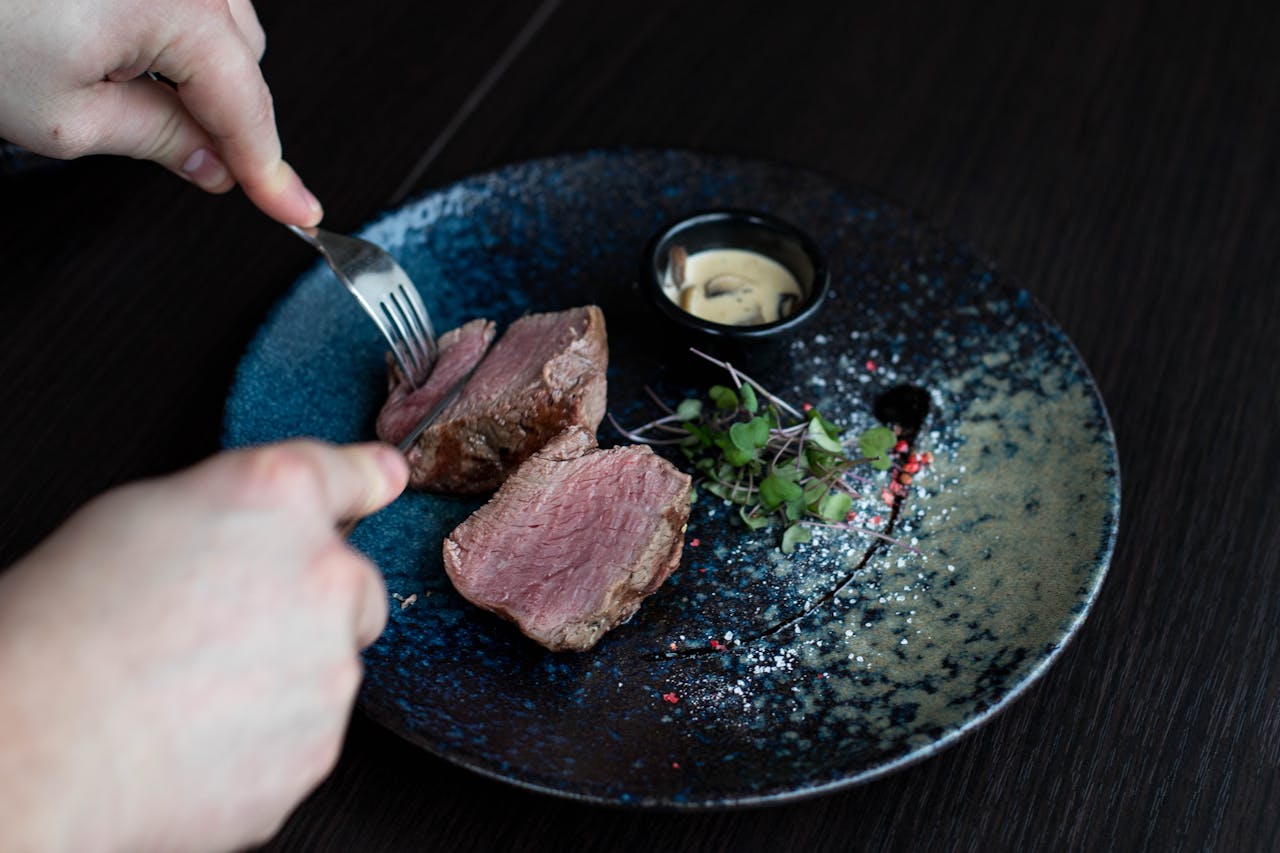
How wild venison compares to other lean proteins
When comparing lean meats, chicken breast often sets the benchmark. However, wild Scottish venison compares surprisingly well, particularly for those paying closer attention to nutrient density.
What the numbers look like per 100g
| Nutrient | Wild venison | Skinless chicken breast |
|---|---|---|
| Calories | ~103 kcal | ~165 kcal |
| Protein | ~23g | ~31g |
| Total fat | ~1.9g | ~3.6g |
| Saturated fat | ~0.7g | ~1.0g |
While chicken breast contains slightly more protein per 100g, wild venison is notably lower in calories and fat, making it an appealing option for people looking to balance high protein intake with a leaner overall diet.
That difference becomes particularly relevant for those paying close attention to body composition – whether training regularly, managing calorie intake, or simply trying to make more nutrient-conscious food choices.
Why active people are taking notice
Protein content is often the first thing people look at when choosing lean meat, but it only tells part of the story. For many active people, interest in wild venison extends beyond protein numbers alone.
Because venison is naturally lean, it provides a substantial amount of protein without significantly increasing overall calorie intake. This flexibility can be useful for anyone trying to meet protein goals while still leaving room for carbohydrates, healthy fats, or the occasional indulgence elsewhere in their diet.
Its richness in essential nutrients also makes it attractive to people training consistently, where energy levels, recovery, and overall wellbeing become increasingly important.
Where wild venison stands out nutritionally
Protein matters, but wild venison’s appeal goes well beyond macronutrients.
Iron, vitamin B12 and zinc
One of venison’s biggest nutritional strengths is its naturally high concentration of iron, vitamin B12, and zinc – nutrients that play an important role in how the body functions and recovers.
Venison contains haem iron, the form most easily absorbed by the body, which helps support oxygen transport around the body. For anyone living an active lifestyle, maintaining healthy iron levels can play an important role in supporting energy levels and reducing fatigue.
Vitamin B12 is equally important, contributing to red blood cell production and neurological function, while zinc supports immune health and the normal repair and maintenance of body tissues.
Research into game meat increasingly highlights its nutrient density, with venison often comparing favourably to more conventional meats. The British Nutrition Foundation also recognises that nutrient quality and bioavailability can vary significantly depending on the type of meat consumed.
The appeal of wild sourcing
Beyond nutrition, many people are also paying closer attention to where their food comes from.
Wild Scottish venison appeals to those interested in minimally processed, naturally sourced food. Unlike conventionally farmed meat, wild venison comes from animals living freely and feeding naturally in their environment. Specialist butchers and game suppliers often offer meat that is naturally free from added hormones and antibiotics.
For many shoppers, this makes provenance part of the wider health conversation – not just what nutrients food contains, but how it reached the plate in the first place.
What it means for fitness and wellbeing
Supporting muscle recovery
For people exercising regularly, protein remains an important part of recovery after training, helping support muscle maintenance and repair.
While chicken breast still delivers slightly more protein gram-for-gram, venison offers a lean alternative with the added benefit of higher levels of iron and zinc – both of which contribute to normal bodily function and recovery.
A useful option for weight-conscious eating
Venison’s lower calorie and fat content may also appeal to those trying to manage their weight while still eating satisfying meals.
Lean, protein-rich foods can help people feel fuller for longer, and venison fits comfortably into that category. Whether added to a stir fry, shaped into burgers, or perhaps used to make venison sausage rolls, it offers a filling alternative that feels hearty without being overly heavy.
Is wild venison easy to cook at home?
Although venison may feel unfamiliar to some home cooks, it’s often easier to prepare than many people expect.
It has a richer, slightly more distinctive flavour than chicken, but remains versatile enough for everyday meals. The main thing to remember is that, because it is so lean, venison benefits from careful cooking. Overcooking can dry it out quickly, particularly with steaks.
Quick pan-frying for loin or steak cuts, or slow cooking for mince and casseroles, tends to produce the best results. Once familiar with the basics, many people find it fits naturally into their usual meal rotation.
Why more people are giving wild Scottish venison a try
Interest in wild Scottish venison continues to grow, and it is not difficult to see why. Its combination of lean protein, naturally occurring iron and vitamin B12, and minimally processed sourcing makes it an appealing choice for people looking to broaden their approach to healthy eating.
Chicken breast is unlikely to disappear from shopping lists anytime soon, and for many households it remains an affordable and practical staple. Yet for those interested in nutrient density, sustainability, and introducing more variety into their meals, wild Scottish venison is increasingly earning a place at the table.
Have you tried wild Scottish venison before? Whether it’s burgers, steaks or slow-cooked stews, let me know your favourite way to enjoy it in the comments below.