
We all know our bodies need iron to function, but do we really appreciate just how important a role it plays in ensuring our bodies are performing to the best of their abilities? The human body needs iron to produce haemoglobin, which enables us to transport oxygen through our blood. Furthermore, iron is also important for cell growth, proper immune function, and cognitive development.
Although most of us get the iron we need from our diet, some people are at risk of developing iron deficiency anaemia, potentially leading to fatigue, weak muscles, dizziness, and other problems.
Recently, I was shocked to discover that I’m actually deficient in iron myself. I went to my GP doctor for some blood tests after experiencing fatigue, hair loss and muscle pain and, to my surprise, my body is slightly deficient in iron.
So, as you can imagine, I’ve been researching how I can increase my iron intake and eliminate the deficiency. Based on what I’ve found, here are seven foods to eat if you want to increase your daily iron intake.
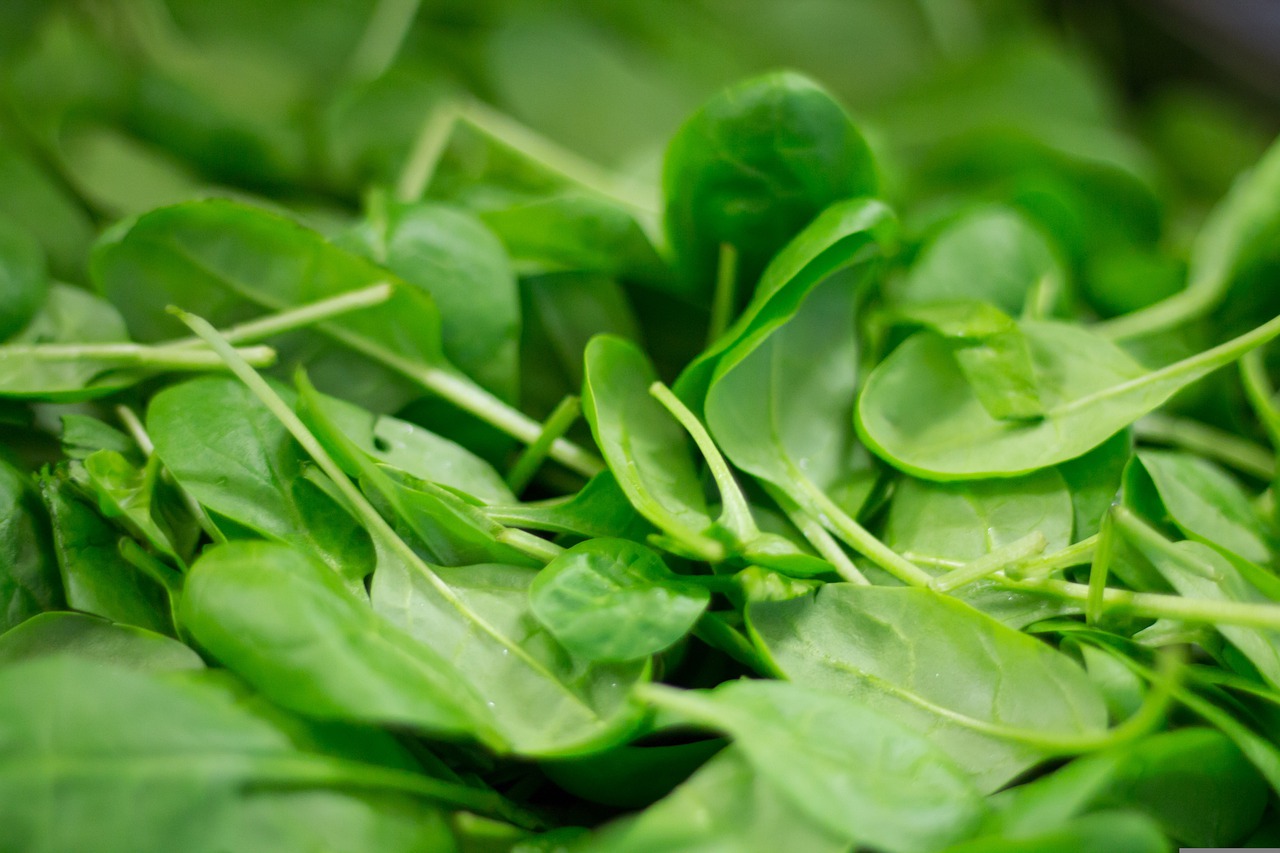
What to eat to increase your daily iron intake
- Red meat: Red meat is one of the best sources of iron, providing approximately 15% of our daily recommended intake per 100g serving, alongside being necessary for the proper function of various organs. Red meat is also a good source of other nutrients, including protein and B vitamins.
- Take an iron supplement: It is recommended by many healthcare professionals that adults take an iron supplement daily. Iron supplements are available in many different forms, including capsules, tablets, and liquids, so you’ll be sure to find something to suit you. However, be sure to talk to your doctor before starting an iron supplement, as too much iron can be harmful.
- Poultry: Poultry is a good source of iron, providing approximately 10% of our daily recommended intake per 100g serving of meat.. However, poultry is a leaner source of protein than red meat, so it can be a better choice if you’re looking to maintain a healthy weight. Poultry is also a good source of other nutrients, like vitamin B6, niacin, and selenium. These nutrients are important for maintaining a healthy immune system, metabolism, and nervous system.
- Fish: Fresh fish is another reliable source of iron, no to mention being a low-fat, high-protein food that benefits a healthy diet.
- Lentils: Lentils are often touted as being a good source of iron because they’re an excellent source of non-heme iron – the type of iron found in plants. While our bodies find it harder to absorb non-heme iron than heme iron – which is located in animal products – there’s no denying that lentils are a fantastic source of iron for both vegetarians and vegans alike.
- Spinach: A leafy green vegetable, spinach is rich in iron and other nutrients including vitamins A, C, and K. It also contains magnesium, manganese, and folate. A popular ingredient in salads, sandwiches, and soups, spinach can also be cooked and eaten as a side dish.
- Leafy green vegetables: Besides spinach, there are various other green vegetables which can make for an excellent source of iron, like sprouts, broccoli, cabbage, cavolo nero, kale, and Swiss chard. Most of these vegetables can actually be enjoyed cooked or raw, depending on how you serve them.
As you can see, there are plenty of different foods you can eat in order to boost your iron levels, from red meat and leafy greens, to nuts and lentils. Despite this, however, many people still find that they don’t quite manage to consume enough iron from their diet alone. Don’t fret if this applies to you; you’ll probably find that, after taking some folic acid supplements from your GP for a few months, your iron levels will soon return to normal once more.
Have you ever had an iron deficiency? Can you recommend any particular foods, or go-to recipes, for increasing iron intake? I’d love to hear about them. Leave me a comment in the box below 🙂