
Europe is full of historic cities, castles and museums – but some places stir something deeper than admiration. They stop you in your tracks, make you pause, and leave you with goosebumps. These are sites that carry the weight of the past, where history feels close enough to touch. Visiting them isn’t always easy, but for many travellers, that’s exactly the point.
Here are five historical places in Europe where history is impossible to ignore – destinations that move you, challenge you, and stay with you long after you leave.
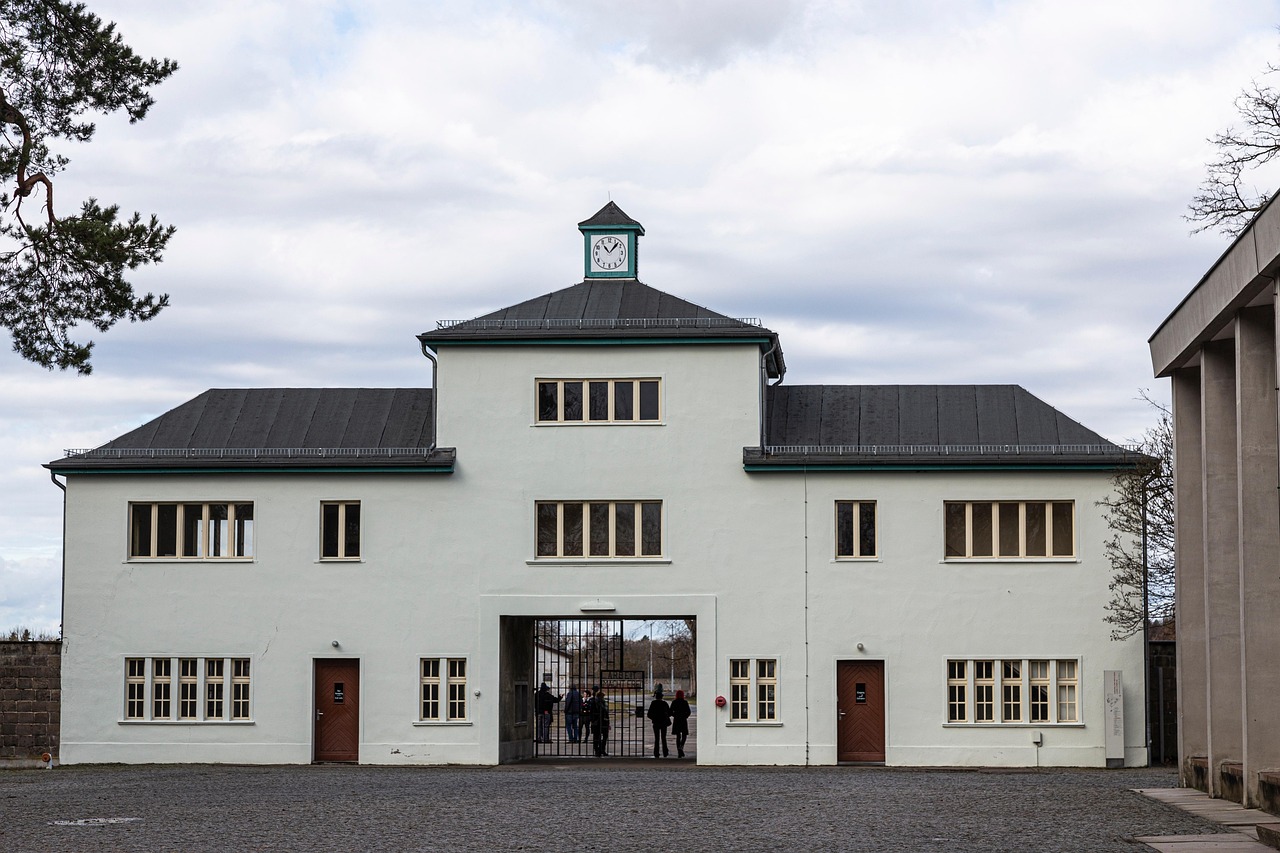
Sachsenhausen near Berlin, Germany
Just 35km north of Berlin, the town of Oranienburg is home to one of Germany’s most haunting sites of remembrance: the former Sachsenhausen concentration camp. Built by the SS in 1936, it later served as a Soviet detention site.
A Sachsenhausen Concentration Camp Tour offers a guided and sensitive way to understand the site’s complex history. The preserved structures are particularly striking – from the main gate inscribed with “Arbeit macht frei”, to the prisoner barracks and solitary cell block. Exhibitions also explore the camp’s post-war use, highlighting the many layers of memory that remain here.
Oradour-sur-Glane, France
In France’s Nouvelle-Aquitaine region lies a village left exactly as it was on 10th June 1944, when SS troops massacred 643 people and destroyed the town. Rather than rebuild, France preserved the ruins as a permanent memorial.
Rusting bicycles lean against walls, sewing machines sit abandoned on tables, and power lines hang loose. Walking through Oradour-sur-Glane feels like stepping into a moment frozen in time – one that still speaks volumes about the brutality of war.
Srebrenica, Bosnia and Herzegovina
Near Srebrenica in Bosnia and Herzegovina, the memorial at Potočari commemorates the 1995 genocide in which more than 8,000 Bosniak men and boys were killed. Inaugurated in 2003 on the site of a former UN base, it combines survivor testimony with historical records to create a profoundly personal experience.
Srebrenica is less widely known than other sites, yet it stands as a powerful symbol of remembrance and resilience – where grief and healing coexist.
House of European History, Brussels
Not all moving destinations are battlefields or ruins. In Brussels, the House of European History tells the story of Europe through letters, photographs and everyday objects. Its permanent exhibition explores 20th-century conflicts and how they shaped the continent we know today.
What makes it so impactful is its focus on individual lives. Visitors encounter stories of flight, resistance and survival, gaining a vivid reminder of how fragile peace and democracy can be.
Sarajevo, Bosnia and Herzegovina
Few cities embody Europe’s turbulent past like Sarajevo. The assassination of Archduke Franz Ferdinand in 1914 took place here, and the city later endured the longest siege in modern history during the Bosnian War.
The Historical Museum of Bosnia and Herzegovina documents these chapters through artefacts and photographs. A highlight is the “Tunnel of Hope”, which kept the city connected to the outside world during the siege and can still be visited today. Even now, traces of conflict remain etched into Sarajevo’s streets and conversations.
Not every trip is lighthearted, and not every destination is easy to visit. But places like these create space for reflection, offering perspective that stays long after you return home. For travellers who want more than scenic views and snapshots, they provide something deeper: an encounter with history that shapes the way you see the present.
Can you think of any other destinations in Europe with a reputation for dark tourism?