
While food travel might feel like a modern trend, exploring the world through its flavours is a tradition as old as travel itself. Asia’s most renowned destinations have long captured the hearts of visitors with their vibrant, aromatic cuisines – meals that go beyond sustenance, offering valuable cultural and historical insights.
True food travel isn’t just about tasting dishes; it’s about delving into the stories, people, and traditions. Each bite reveals a tapestry of fragrant spices, unique ingredients, and time-honoured recipes passed down through generations.
As Chef Santi Wongsawat, a prominent figure in Koh Samui’s culinary scene, explains, food tourism has evolved. “Today’s travellers aren’t just sampling dishes,” he says. “They’re discovering the origins, connecting with the people behind the food, and uncovering the narratives that shape every flavour.”
This shift is redefining travel itself. Increasingly, tourists are drawn to immersive cultural experiences where authentic local cuisine takes centre stage, offering them a deeper connection to the places they visit.
Here are some of Asia’s top destinations for culinary travel, showcasing the unique dishes, traditions, and experiences that make the region a must-visit for food enthusiasts.
Street food & regional flavours: exploring Thailand’s culinary diversity
Thailand’s culinary scene is a feast for the senses, offering an incredible variety of experiences to suit every palate. From bustling food markets filled with tantalising aromas to fine dining overlooking picturesque beaches, the country is a dream destination for food lovers. For a unique perspective, Mekong River boat cruises provide a stunning backdrop as you savour regional delicacies, drifting through areas steeped in culinary and cultural heritage.
Few places rival Phuket and Koh Samui when it comes to immersing yourself in Thai cuisine. These islands are culinary hotspots, offering everything from Michelin-starred restaurants to humble street stalls where bold ingredients and traditional cooking techniques shine.
The local cuisine is a celebration of vibrant ingredients and fiery flavours. Think zesty salads, fragrant stir-fries, and curries that pack a punch – all guaranteed to leave your taste buds tingling. Despite being part of the same country, Phuket and Koh Samui’s culinary traditions diverge, shaped by their distinct histories.
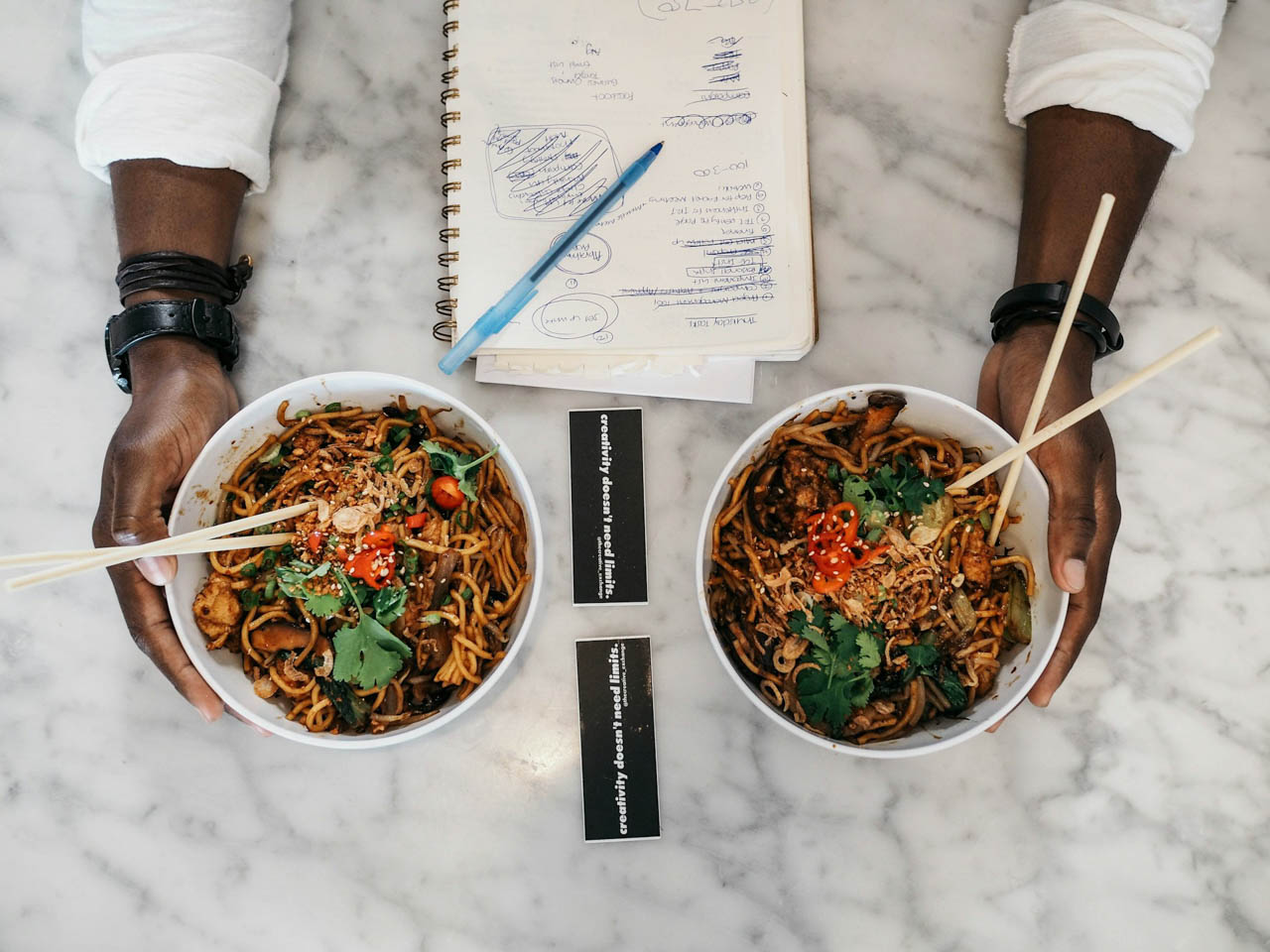
Phuket’s cuisine draws heavily on Indian and Chinese influences, a reflection of the island’s historical trade links and immigrant communities. Expect bold spices and rich flavours in dishes like Hokkien noodles and curry puffs.
Koh Samui, on the other hand, is influenced by south east Asian and Malaysian flavours, with dishes like Massaman curry and tangy seafood salads adding a unique twist to Thai classics.
Both islands feature vibrant food markets where visitors can sample everything from spicy noodles, to freshly grilled skewers of meat and seafood. These markets are not just about the food – they’re an experience in themselves, offering a glimpse into Thailand’s lively street food culture.
India: a kaleidoscope of regional cuisines
India’s culinary landscape is as vast and diverse as the country itself, with each region boasting its own distinct flavours and traditions. Far from being a singular concept, “Indian food” encompasses countless regional cuisines, shaped by local geography, history, and cultural influences.
In the north, robust curries and bread-based dishes dominate, with rich gravies like butter chicken and dal makhani served alongside fluffy naan and tandoori roti. Meanwhile, the south offers lighter, spicier fare, such as dosa, idli, and tangy tamarind-based sambars, all heavily reliant on coconut and fragrant spices.
Goa stands out as a unique culinary crossroads where Portuguese, Konkani, and Indian traditions intertwine. Ingredients like chillies, tomatoes, and vinegar – introduced by the Portuguese – merge seamlessly with local staples like kokum and coconut to form iconic dishes like vindaloo, sorpotel, and tangy fish curries indicative of Goa’s coastal heritage.
Further east, the flavours shift again, with Bengal celebrated for its love of mustard oil and seafood, including the iconic macher jhol (fish curry) and mishti doi (sweet yoghurt). In the west, Gujarat offers a vegetarian paradise, with dishes like dhokla and khandvi showcasing subtle spices and a perfect balance of sweet, salty, and tangy flavours.
Every region in India tells its story through its food. From the fiery curries of Rajasthan to the fragrant biryanis of Hyderabad, India’s cuisines are a rich tapestry of history, culture, and geography.
Indonesia’s flavourful island feasts: Bali and Lombok
Bali and Lombok, two of Indonesia’s most iconic islands, are not just paradises for their stunning landscapes – they’re also culinary hotspots that showcase the rich diversity of Indonesian cuisine. Each island offers a distinct flavour journey, captivating food lovers with unique dishes and traditions.
In Bali, food is deeply rooted in the island’s spiritual and cultural life, often taking on a ceremonial significance. A standout experience is the Balinese rijsttafel, a lavish feast of up to 40 different dishes that blend Indonesian and Dutch colonial influences. This historic meal offers an insightful introduction to Bali’s culinary heritage, with every bite telling a story of the island’s past.
Bali’s vibrant dining scene is among Asia’s finest, offering everything from trendy beachfront restaurants to serene mountain cafés. Signature dishes include the succulent babi guling (spit-roast pig) and the aromatic bebek betutu (slow-roasted duck), both prepared with the bold spices and herbs Balinese cooking is so well-known for.
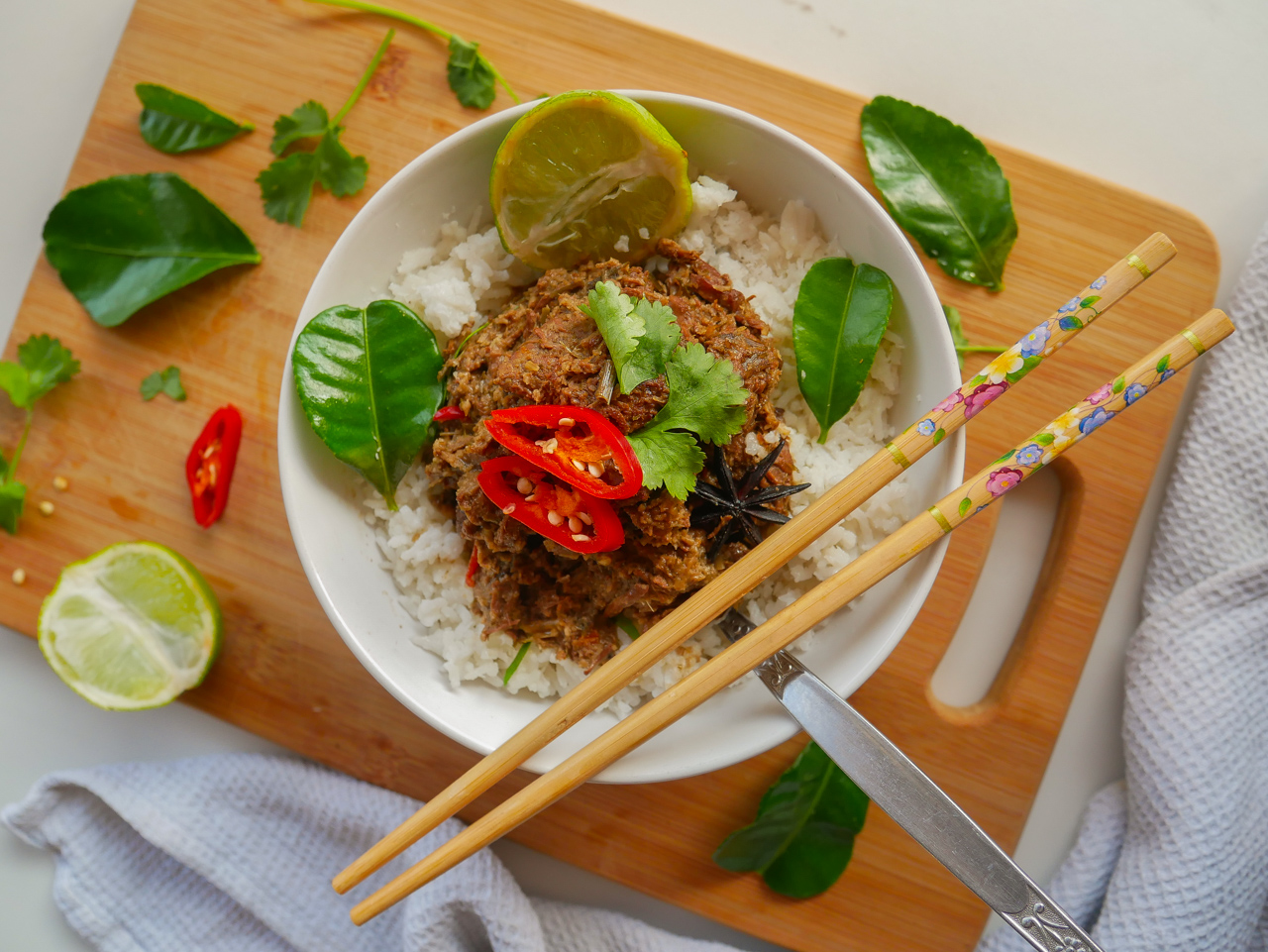
On the neighbouring island of Lombok, the culinary experience shifts, showcasing its own distinctive flavours and traditions. Here, beef often replaces pork as a key ingredient, with dishes like the richly spiced beef rendang taking centre stage. This slow-cooked delicacy, infused with coconut milk and a medley of spices, perfectly embodies the depth and complexity of Indonesian cuisine. Lombok’s roadside stalls and local warungs invite visitors to savour the island’s hidden gems, from hearty soups to fiery sambal dishes, reflecting the island’s cultural influences and love for bold flavours.
Japan’s culinary wonderland: Niseko, Hokkaido
Famed for its pristine powder snow and world-class skiing, Niseko in Hokkaido is not only a paradise for winter sports enthusiasts, but also a destination for food lovers. Nestled amidst breathtaking winter landscapes, Niseko’s culinary scene offers a delightful range of experiences, from sophisticated Michelin-starred restaurants to cosy izakayas brimming with local charm.
Hokkaido is celebrated for its exceptional seafood and produce, and Niseko showcases these ingredients at their finest. Whether it’s a steaming bowl of miso ramen, freshly crafted sushi, or buttery uni (sea urchin), every dish reflects the region’s dedication to quality and flavour.
For a truly personalised experience, Niseko Gourmet brings the flavours of Hokkaido directly to travellers’ villas or chalets. Private chefs curate bespoke Japanese dining experiences, featuring everything from delicate sashimi platters and hibachi grill dishes to hearty ramen bowls, all prepared using the freshest local ingredients.
This intimate approach to dining captures the essence of food travel in Japan, blending luxury with authenticity. Visitors are treated to an immersive culinary journey, enjoying the best of Hokkaido’s bounty in the comfort of a mountain retreat.
Embracing a food travel revolution
As food travel continues trending in 2024, it’s clear that Asia remains a top destination for those looking to explore the world, one dish at a time. Social media and technology have made it easier to find authentic local dining experiences, with countless apps and platforms offering everything from restaurant recommendations to translation services and guided food tours.
For many travellers, a food-focused journey also means learning more about how ingredients are sourced, prepared, and enjoyed by the locals. Food travel has evolved beyond eating local dishes, to savouring the entire narrative. From hands-on cooking classes and market tours to intimate dining experiences in the heart of nature, culinary travel presents an exciting and interactive opportunity to immerse yourself in a new destination and culture.
Where’s your favourite destination, based on cuisine? Leave a comment to let me know.