
AD: I was invited to Kiato on a complimentary basis as part of a press trip organised by DK Advertising, funded by Precious Europe – a three-year programme promoting high-quality European agricultural produce, including Corinth raisins and extra virgin olive oil. As always, my opinions are my own.
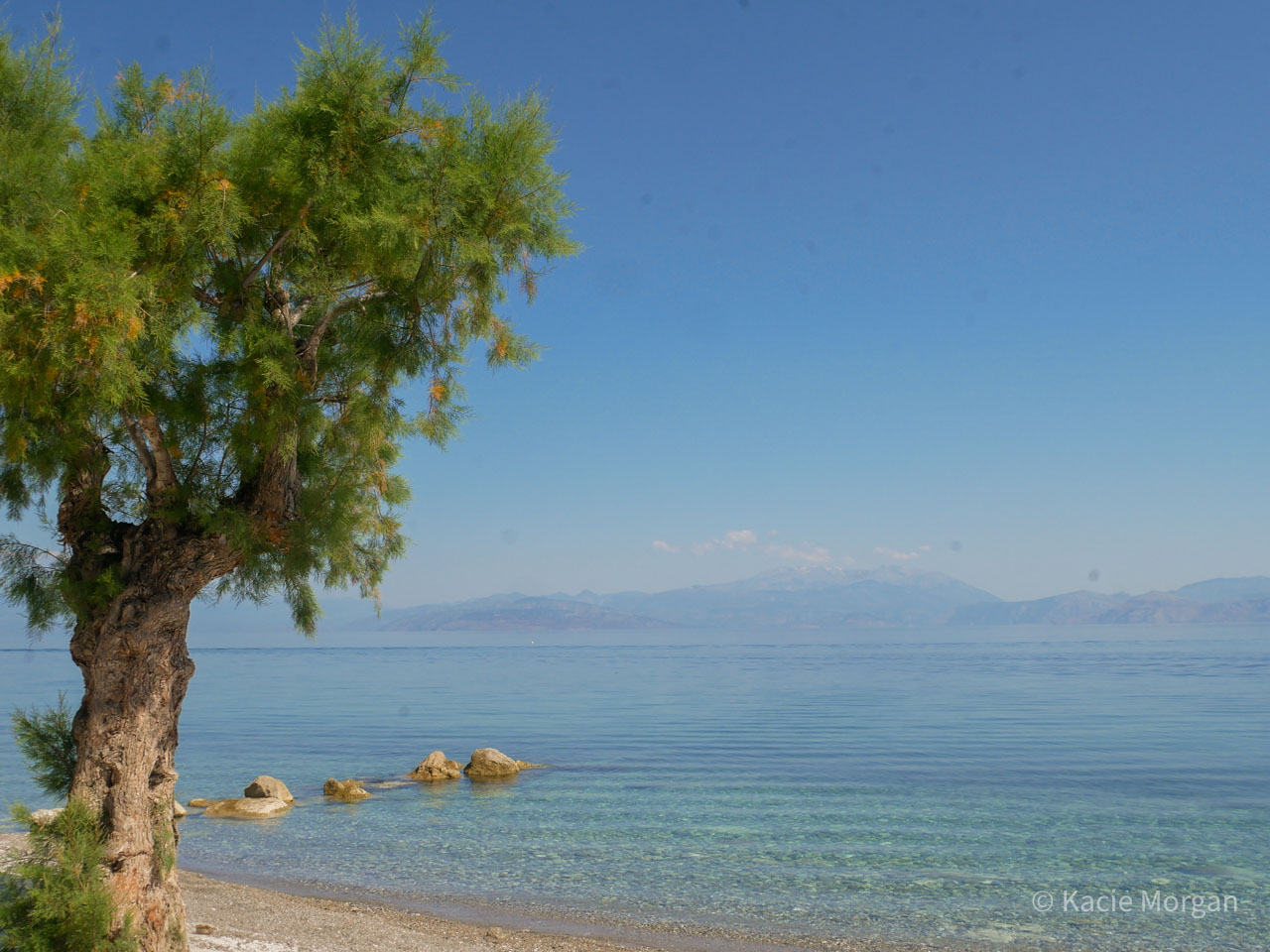
Greek olive oil is hardly a newcomer to global kitchens, with PDO-recognised varieties like Kalamata and Sitia regarded among the finest. On a recent press trip to the Peloponnese, I visited Kiato – a lesser-known yet historically rich region located just west of Corinth and under two hours from Athens – where I discovered that the locally grown Patrinia variety (also known as Koutsourelia or Lianolia) is worthy of similar status. Spearheaded as part of a three-year campaign led by Precious Europe, these humble, lesser-known olives are now vying for PDO recognition.

Why is Greek olive oil so special?
Known as ελαιόλαδο (elaiólado) in Greek, olive oil has deep roots in Hellenic culture. The olive tree was revered in mythology, believed to be a gift from the goddess Athena. While the myth is most closely linked to Athens, it symbolises a broader cultural reverence that runs throughout the Peloponnese – including lesser-known regions like Kiato.
Homer described olive oil as “liquid gold,” and Hippocrates referred to it as “the great healer.” Ancient Greek athletes coated their bodies in it before competitions – both as physical preparation and as an offering to the gods.
Far more than just a cooking staple, olive oil was central to ancient life – used in rituals, skincare, athletics, and medicine. That legacy lives on in the Peloponnese today, where places like Kiato continue to uphold age-old traditions with every harvest.
What is the difference between olive oil and Greek olive oil?
While countries like Spain, Italy, Portugal, Tunisia and Turkey also produce excellent oils, Greek olive oil stands out for its bold, fruity character, high antioxidant content, and strong cultural heritage. Greek extra virgin olive oil (EVOO) is typically cold-pressed and made with minimal processing to preserve both flavour and nutritional value. Its signature peppery finish often indicates high polyphenol levels.
Several factors contribute to the exceptional quality of Greek olive oil:
- Terroir – Greece’s mountainous terrain, coastal breezes and sun-drenched groves allow olives to ripen slowly, intensifying both flavour and nutrient density.
- Olive cultivars – With over 100 indigenous varieties, Greece offers impressive diversity. Koroneiki is the most widely grown and known for its robust, fruity oils, while Patrinia – cultivated in Moulki – is gentler, producing balanced, aromatic oils.
- Traditional harvesting – Many Greek producers continue to hand-pick olives to minimise bruising and oxidation, and cold-press them within hours to maintain purity and freshness.
- High polyphenol content – Especially in early harvest oils, these natural antioxidants contribute to both the health benefits and shelf life of Greek olive oil.
- PDO/PGI protection – Greece has one of the highest numbers of EU-recognised Protected Designation of Origin (PDO) olive oils, which safeguard the integrity and origin of regional oils.
The challenges facing Greek producers
In Kiato and beyond, olive oil production remains a vital part of rural life and the regional economy. Local growers often work small plots passed down through generations, relying on traditional methods to produce high-quality extra virgin olive oil. Yet, behind this deep-rooted craft lie mounting pressures. Growers across Greece – and throughout Europe – face rising production costs, labour shortages, and the growing impact of climate change on harvests.
Many younger generations are leaving rural areas in search of more stable or better-paid work, leaving an ageing workforce to sustain the industry. According to the European Commission, fewer than 11% of EU farmers are under 40, raising concerns about the future of agricultural traditions like olive farming. Initiatives such as the EU-backed Precious Europe campaign aim to support producers by promoting quality, raising international awareness, and helping secure PDO recognition for regions like Kiato.
Visiting the olive groves of Moulki
As part of the EU-backed Precious Europe campaign to promote European olive oil, I had the opportunity to visit the olive groves and processing facilities in and around Kiato. The campaign also highlights Corinthian raisins, another regional product with deep agricultural roots and EU recognition potential.

Meet EASKIATOU: Kiato’s olive oil cooperative
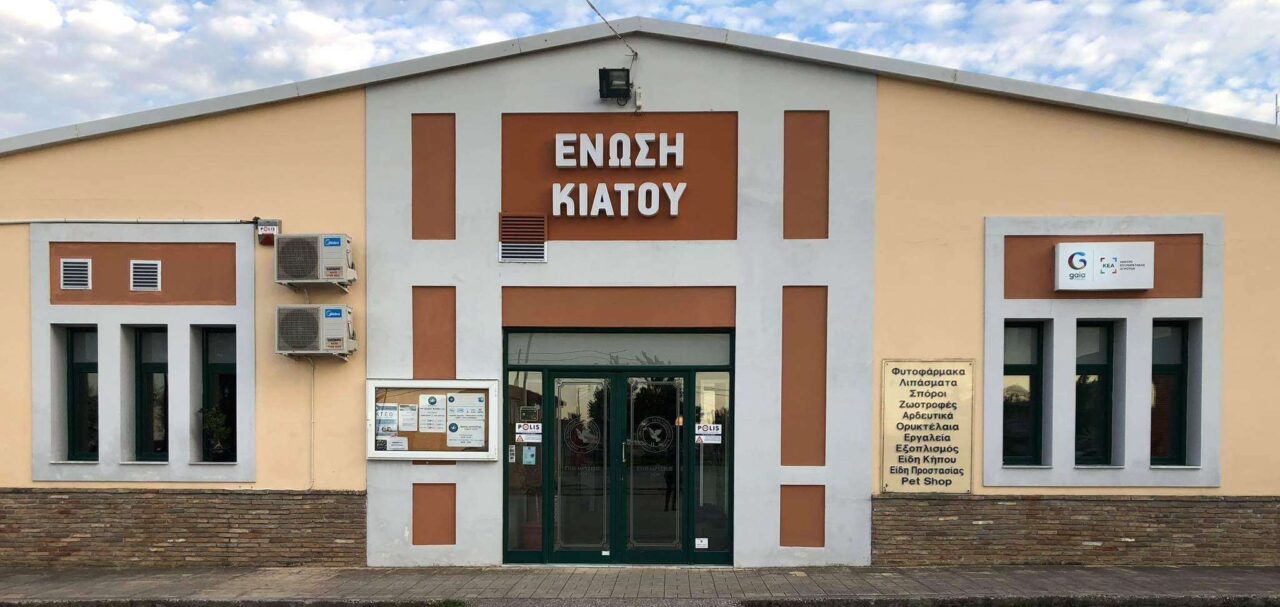
In Kiato, we visited the Agricultural Cooperative of Kiato (EASKIATOU), a century-old union of around 100 local olive growers. Originally founded to support both olive and Corinthian raisin producers, the cooperative now plays a key role in preserving traditional cultivation methods while supporting the region’s agricultural economy.
EASKIATOU coordinates harvests, oversees production at shared facilities, and helps members process and market their olive oil, ensuring consistent quality and sustainable practices.
Here, we learnt more about the challenges facing modern producers: rising production costs, the impact of climate change on harvests, and the difficulty of retaining local workers, many of whom now leave for better-paid jobs abroad. Still, their commitment to quality remains high. He explained that good olive oil should appear green in colour, and that it is just as beneficial for the skin as it is in cooking.
From harvest to press: How Kiato’s olive oil is made
Production takes place at the facilities of E.A.S. Kiato, located in the Agios Ioannis Sfalaias area near Kiato, where olives are quickly cleaned, cold-pressed, and centrifuged before being stored in stainless-steel tanks to preserve freshness. EASKIATOU produces Patrinia olive oil under its cooperative label – often sold regionally or featured at boutique venues – rather than through mass-market brands. The harvest typically begins in late October and continues through early winter, depending on weather and olive variety. I’d love to return to see the full process in action.
On the path to PDO recognition
As of now, several Greek olive oils have Protected Designation of Origin (PDO) status including Kalamata, Sitia, and Kolymvari. The Patrinia olives grown by farmers working with EASKIATOU, in the Moulki region, are not yet PDO-recognised. However, efforts are underway to change that. With support from the Precious Europe campaign, local cooperatives like EASKIATOU are actively pursuing official designation to help safeguard these cultivars and boost international awareness.
What would PDO status mean for Kiato’s olive oil?
PDO status is one of the highest forms of recognition a regional product can receive in the EU. For Kiato olive oil, achieving PDO status would formally recognise its unique local characteristics – from soil and climate to traditional cultivation methods. It would also protect the name from imitations, ensuring only oil produced in the region using approved practices can be labelled as such.
For local growers, it could open the door to greater visibility on international markets, increased consumer trust, and a stronger price point – all while helping to preserve cultural heritage and farming know-how passed down through generations.
A taste of Kiato
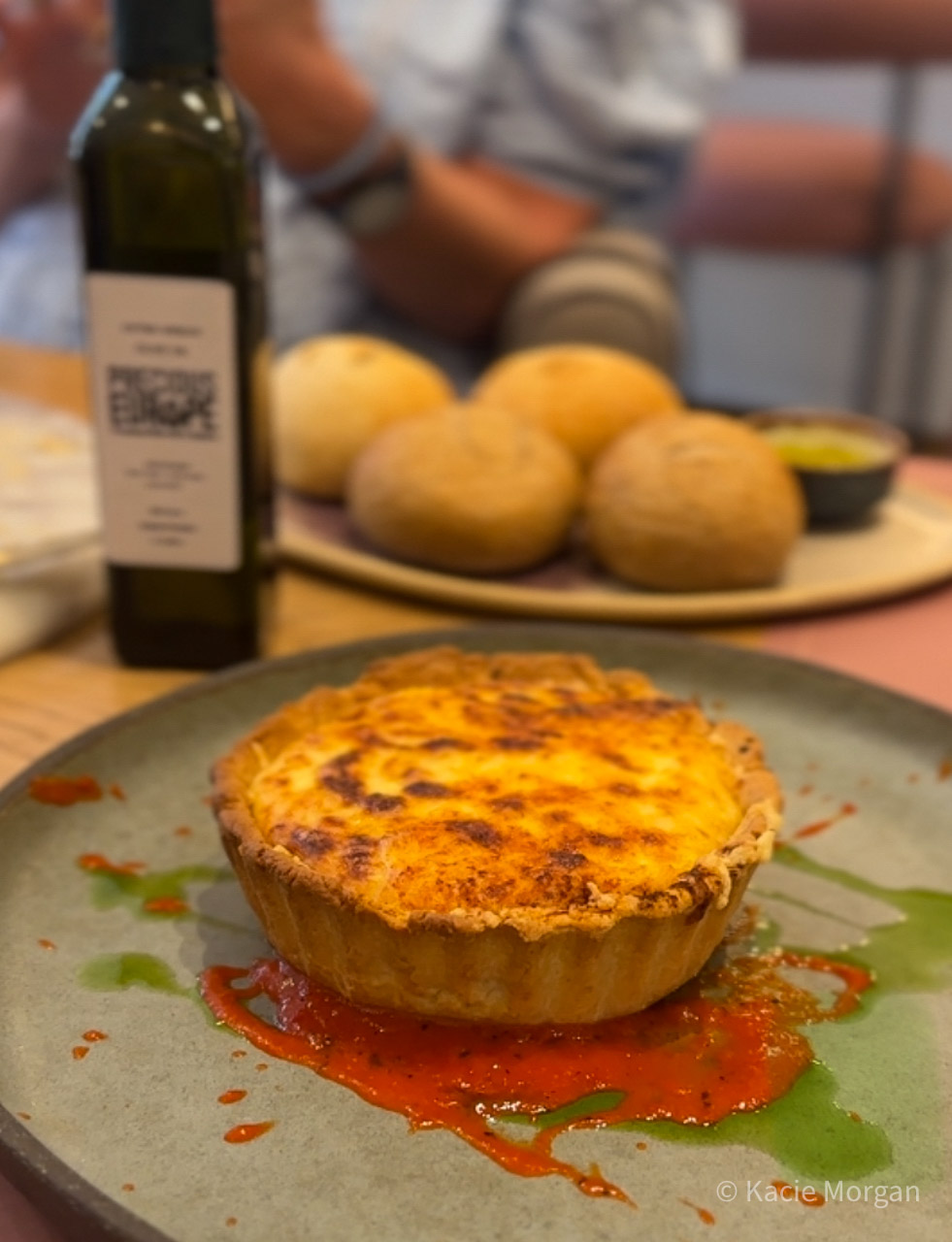
At Mavadda Gastro Bar, local olive oils took centre stage in an informal tasting. Hunks of pillowy bread soaked up lush green pools of oil, revealing smooth, grassy notes and a characteristic peppery finish. Beyond the tasting, olive oil featured throughout the menu – drizzled over savoury tarts, stirred into dips, and used generously in salad dressings and sautés.
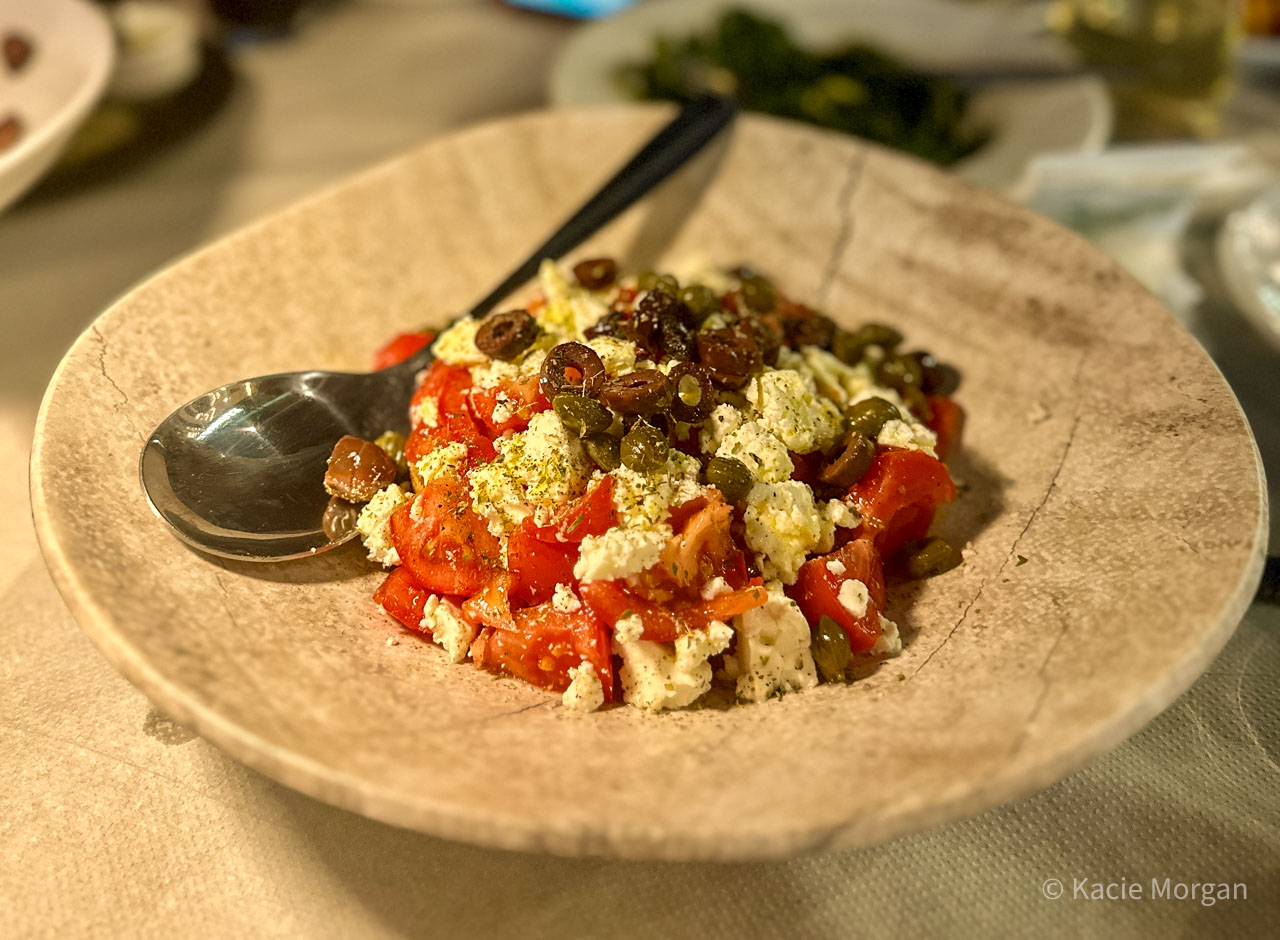
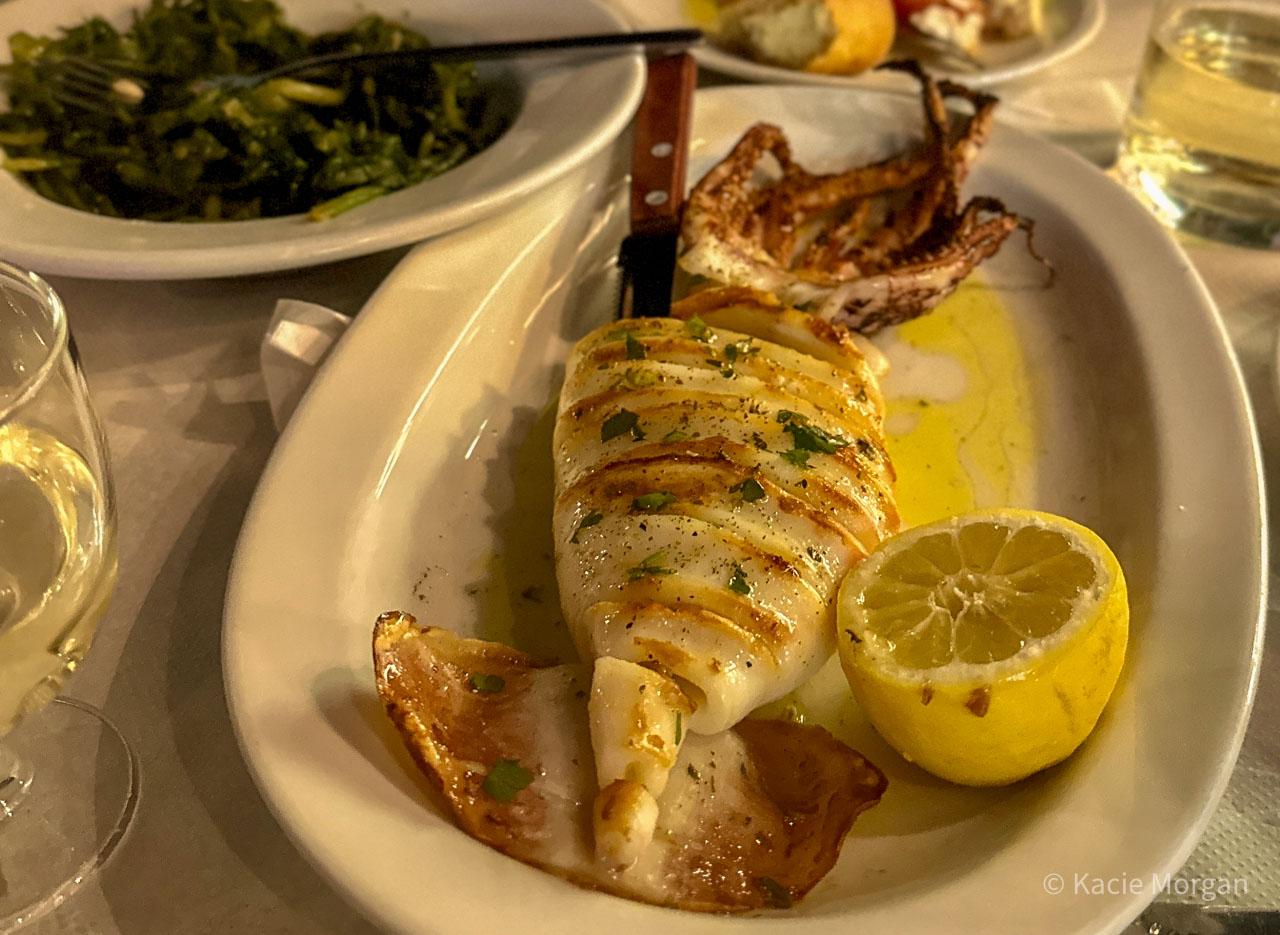
Meanwhile, at Patouras seafood restaurant in Xylokastro, olive oil enhanced everything from traditional Greek and Cretan salads to garlic-laced king prawns and grilled stuffed squid.


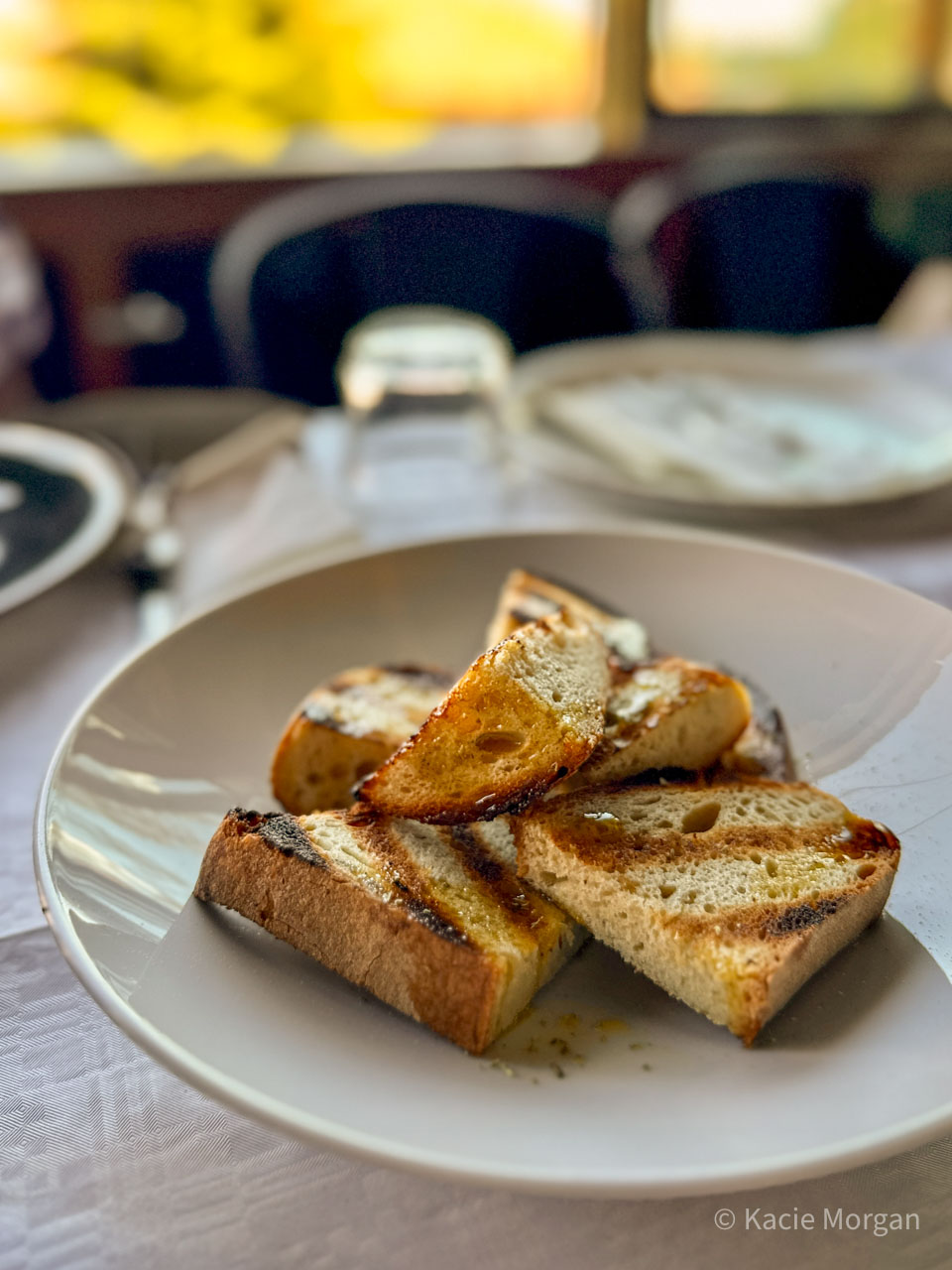
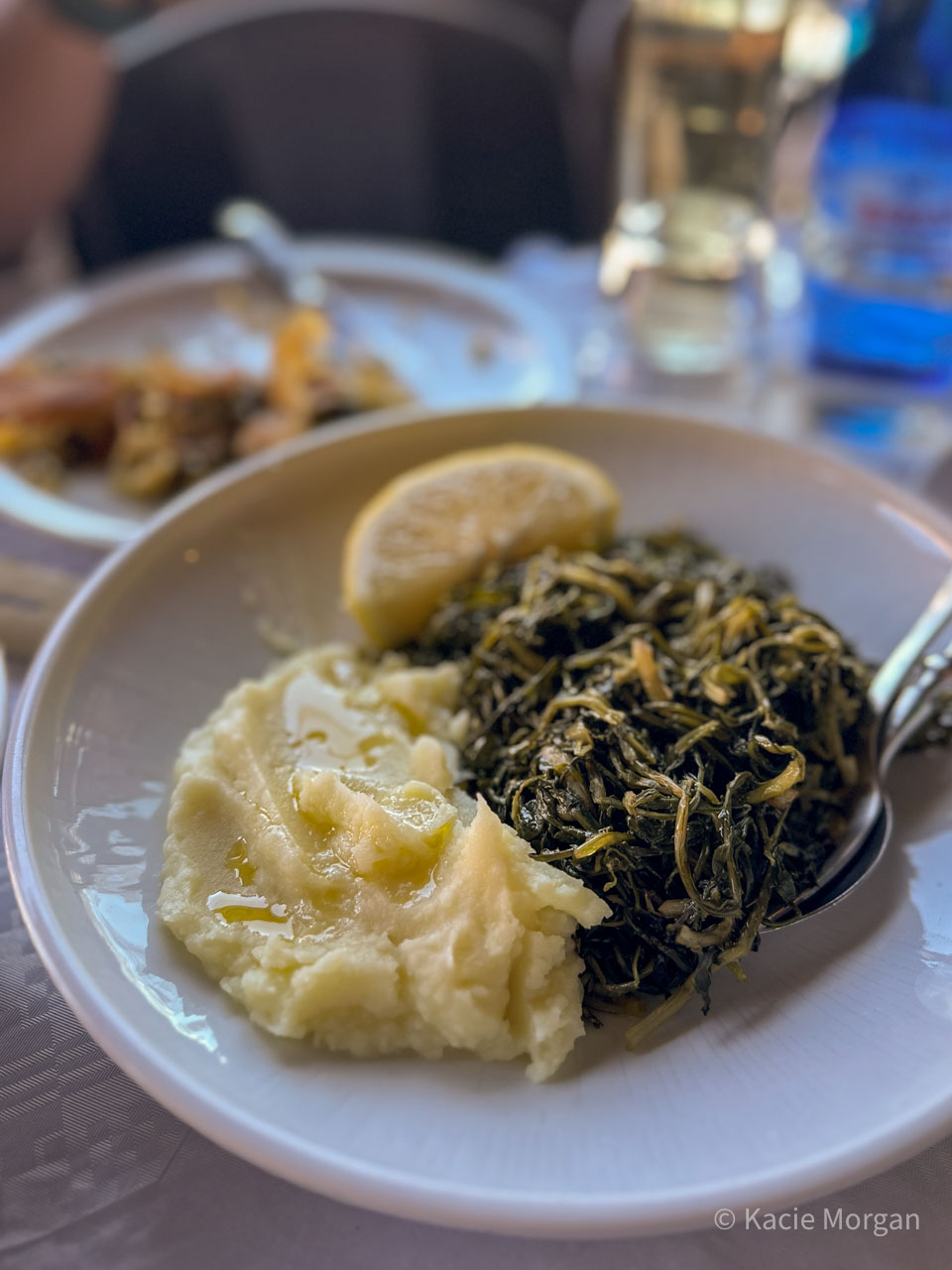
Across the region, Greek extra virgin olive oil appears unapologetically and often. At the traditional tavern Stou Dekleri, nestled in the quaint village of Trikala near Xylokastro, we enjoyed a generous Greek feast: chargrilled bread doused in oil, wild leafy greens dressed with lemon and olive oil, and a comforting side of mashed potato.
Where to buy Greek olive oil
For those looking to sample the best Greek olive oil at home, look out for cold-pressed, organic extra virgin olive oils with a PDO stamp. Greek olive oil brands like Gaea, Terra Creta, and Latzimas are widely available in the UK and across Europe. You can also find small-batch oils from specific regions (like Kiato) through specialist retailers or online. When shopping, be wary of vague labelling and seek oils that state the olive variety, harvest date, and production method.
With quality producers, traditional methods, and growing international attention, Kiato is quietly becoming one of Greece’s most exciting olive oil regions. Whether used to dress a salad, enrich a simple stew, or nourish the skin, Greek olive oil remains one of the most versatile and beneficial ingredients around. And with Patrinia olives beginning to make their mark, the next benchmark in Greek olive oil might just be coming from Kiato.
What are your thoughts on Greek olive oil? Is it the best kind of olive oil, or do other countries produce better varieties? Feel free to leave a comment below.

AD: I was invited to Kiato on a complimentary basis as part of a press trip organised by DK Advertising, funded by Precious Europe – a three-year programme promoting high-quality European agricultural produce, including Corinth raisins and extra virgin olive oil. As always, my opinions are my own.