
In recent years, the European food landscape has changed so rapidly that it almost feels like flipping through the pages of a gastronomic atlas. Restaurants, pubs, cafés and street food stalls increasingly mix local heritage with global culinary traditions, offering flavours that travel far beyond their point of origin. If food has always been a universal language, today it seems to speak more accents than ever before.
This evolution is not just about novelty. It reflects a deeper cultural shift: the understanding that food can connect us, even when our backgrounds, languages or experiences are different. In fact, several studies underline how multicultural food environments help build a sense of community and belonging among diverse urban populations. According to research published by National Geographic, culinary fusion and cross-cultural influences are among the most visible signs of how societies embrace diversity in everyday life.
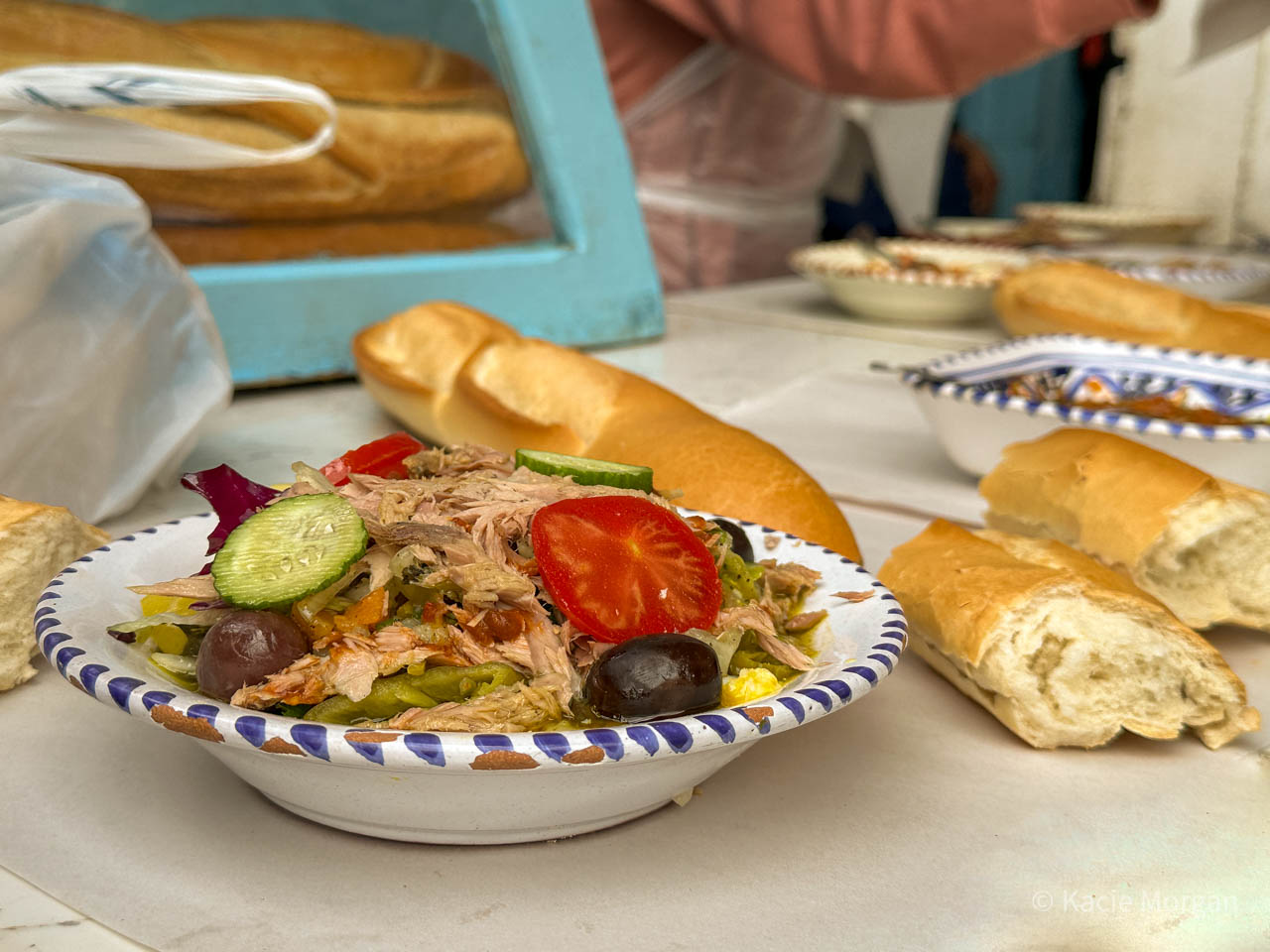
The rise of multicultural gastronomy in Europe
Europe has always been a crossroads of cultures, but the last decade has seen unprecedented culinary diversification. Cities like London, Barcelona, Berlin, Dublin and Rome now offer dishes spanning every continent, often prepared by chefs who blend traditional techniques with contemporary creativity. The result is a food scene that feels dynamic, open-minded and deeply interconnected.
This inclusive approach to gastronomy is particularly evident in metropolitan hubs, where multicultural communities shape the local food offering. The availability of spices, ingredients and cooking methods from all over the world encourages both home cooks and restaurants to experiment, pushing boundaries and dissolving culinary borders.
For instance, the popularity of Japanese ramen outside of Asia, the widespread love for American-style gourmet burgers, or the growing interest in slow-cooked dishes from the southern United States show how comfort food can transcend its geographic origins. Likewise, classics like British fish and chips have found enthusiastic audiences well beyond the UK.

Food as a meeting place between cultures
Eating is one of the most intimate human experiences. It can evoke memories, comfort us in difficult times or help us celebrate milestones. When we share food from different cultures, we also share stories, values and perspectives. This makes multicultural dining an essential tool for cultural exchange.
UNESCO highlights that intangible cultural heritage, such as food traditions, contributes to strengthening social cohesion and encouraging dialogue between communities. Tasting different cuisines becomes a form of cultural discovery, and each dish becomes an invitation to understand others more deeply.
Multicultural food spaces often act as bridges: they allow travellers to feel at home and locals to explore flavours they may otherwise never encounter. They create curiosity rather than suspicion, and they remind us that diversity can be both enriching and delicious.
A closer look at how pubs and casual dining embrace global influences
Among the many places where multicultural gastronomy is thriving, pubs and casual dining venues play an increasingly important role. Their informal atmosphere makes them ideal spaces for blending culinary traditions: they can serve comfort food from different cultures without the rigidity of fine dining or the limitations of strictly traditional menus.
This flexibility has led many modern pubs to evolve beyond expectations. Today it is not unusual to find menus where gourmet burgers stand alongside British fish and chips, American low & slow cooked dishes, Japanese-style noodles, Mexican-inspired appetisers or Mediterranean comfort classics. This mix reflects the cultural melting pot of contemporary European cities.
In Rome, for example, one venue that subtly embodies this multicultural spirit is Trinity College Pub. While deeply rooted in the warm, community-oriented identity typical of pubs, it also offers dishes from different parts of the world, expressing the idea that good food has no borders. For those curious to explore this eclectic approach, Trinity – Rome offers a blend of international influences and a vibrant, urban atmosphere.

Why multicultural food matters more than ever
Beyond taste and curiosity, multicultural food carries several broader implications:
- It normalises diversity. Trying food from another culture reduces the psychological barrier between “us” and “them”.
- It supports cultural preservation. Immigrant communities often maintain traditions through their food.
- It encourages creativity. Fusion cuisine and reinterpretations push chefs to innovate.
- It boosts local economies. Ingredients, suppliers and culinary artisans from different cultures contribute to vibrant food markets.
- It strengthens social connections. Eating together is one of the most effective ways to build relationships.
Furthermore, spending time in multicultural food environments encourages us to question our assumptions. A dish that seems “exotic” today may become part of our weekly routine tomorrow. Food evolves, just like culture.
As cultures continue to interact more frequently, food may become one of the most powerful tools for fostering understanding. The dishes we enjoy today reflect centuries of trade, migration and cultural exchange. And the trend shows no sign of slowing down.
Whether it’s a bowl of Japanese noodles enjoyed in a European pub, a plate of fish and chips eaten thousands of kilometres from the UK, or a slow-cooked American-style meal served in a bustling Mediterranean city, these experiences remind us that diversity enriches us.
Food will always differ from culture to culture, but it will also always bring people together.
Can you recall a time when you learnt something about a new culture or destination, through the food you ate while you were there? Share your experience by leaving a comment below; I’d love to hear about it.