
This is a collaborative post.
With restaurants opening up and people beginning to dine inside again, creating an environment that is both warm and comfortable for diners is a must. Read on to discover how restaurateurs can use air conditioning to improve the dining experience.
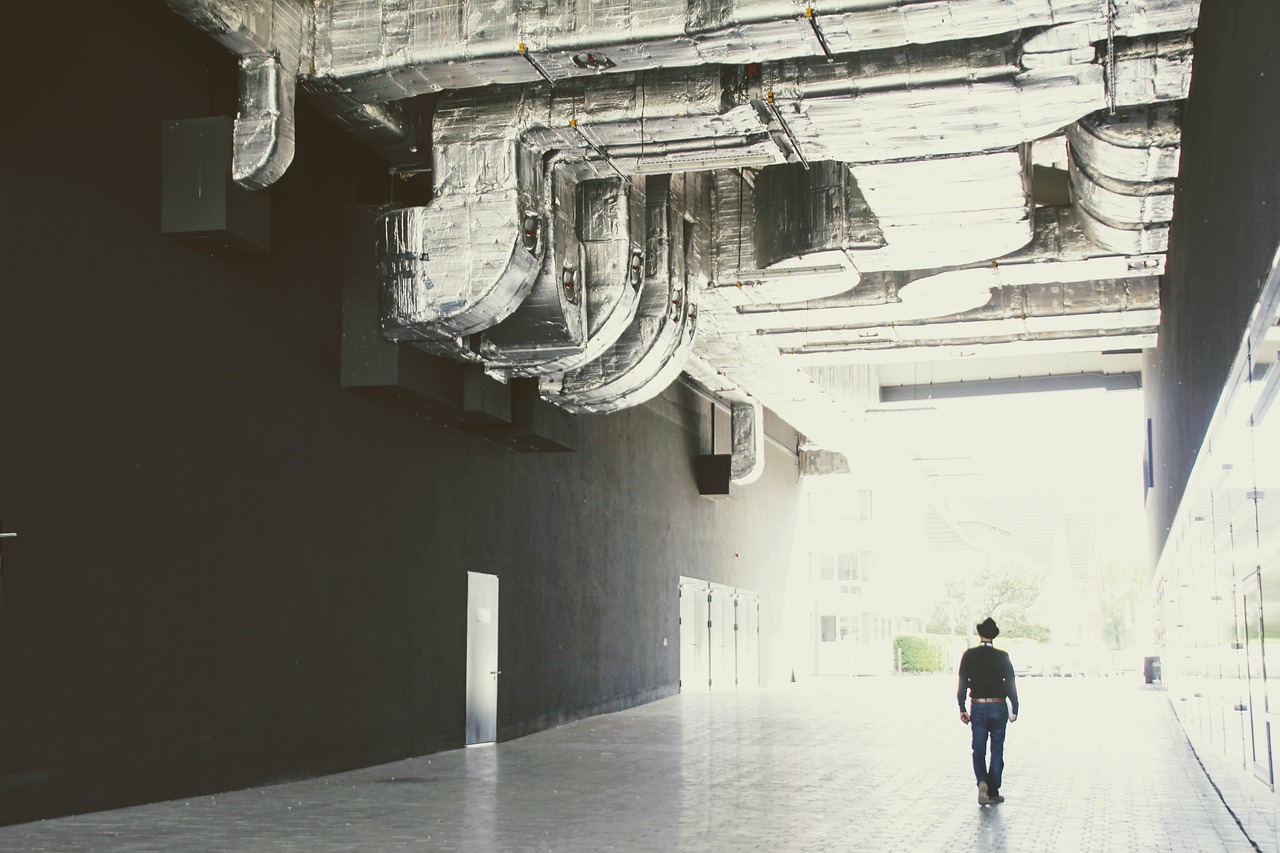
One of the most crucial aspects of dining out that is only too often overlooked nowadays – in UK-based restaurants, at least – is that of room temperature. Restaurants around the globe – especially in parts of the Middle East, like Dubai and Qatar – are well-equipped with air conditioning to cope with temperature extremes. In the UK, however, all kinds of restaurants, from fast-food chains to high-end restaurants based within luxury hotels, are beginning to equip themselves with new and improved air conditioning systems to better regulate temperature, manage spending and reduce emissions.
The fast-food chain, McDonalds has begun to equip its restaurants with heat pump air curtains, for example. Helping to provide customers with a comfortable internal temperature that is both reliable and consistent can help to build a more positive relationship with customers.
To test this theory out, a Mcdonalds restaurant in Milton Keynes was fitted with a heat pump air curtain while a similar-sized branch in Stoke-On-Trent was left to operate without one installed.
With the technology of the air pump blowing air across the doorway of the restaurant, the internal temperature was shielded from the outside draught, creating a consistently comfortable temperature inside the restaurant.
The data collected from the two stores proved that installing this new air conditioning technology had helped to produce savings of 59kW per day in energy consumption, leading to a financial saving of £6.20 per day. The number of seats now being occupied by customers had also increased in the Milton Keynes branch, with seats by the door now being sat in, rather than avoided, as the introduction of the heat pump had eliminated cold spots and draughts within the restaurant.
Nearly 250 restaurants across the UK have now replaced traditional gas-fired or electronic rooftop packages with new air handling systems, with each branch now delivering an average 35% reduction in energy consumption for ventilation, heating and cooling. This can lead to an annual cost saving of around £4,515 per year, alongside a reduction in carbon dioxide of around 20 tonnes.
Utilising air conditioning technology is an important aspect of improving restaurant design, helping to ensure your dining space remains at a comfortable temperature for your guests, while saving money and reducing energy consumption.
Do you prefer visiting restaurants which have in-built air conditioning systems? Share your thoughts on this by leaving a comment below.
This is a collaborative post.