
This is a collaborative post.
Ever fancied starting your own kitchen garden? Whether you’re a green-fingered guru or you’ve never so much as picked up a lawnmower, freshening up your garden space by growing your own herb garden is relatively straightforward and easy.
I began creating my kitchen garden last year, during the lockdown. I started out by buying some potted herbs from the supermarket and nurturing them. At first, I began with just mint and chives, but now I also grow basil, rosemary, coriander and parsley.
And why stop at herbs? While herbs are easy to grow and can be fairly low maintenance, you can also grow other veg too. If space is limited, herbs can grow on your kitchen window sill but if you have a garden, you could consider planting some veg too. Many kinds of veg can grow in pots, so you don’t necessarily need to worry about having soil to plant the seeds into the ground.
Not only can creating your own kitchen garden provide you with a sustainable source of home-grown herbs and vegetables, but it can also be very enjoyable and therapeutic too.
Here are five easy steps to follow to get started with growing your own kitchen garden.
1) Decide which herbs to plant and buy the seeds
Before you start thinking about how to grow your own kitchen garden, consider what kind of plants you’re going to grow and buy the seeds. What herbs do you tend to use the most in your everyday cooking? What kind of vegetables could you grow with the available space you have in your kitchen?
Age UK are running a campaign to raise awareness of the value of kitchen gardens and they’ve shared some really useful advice on what kinds of herbs and plants grow best in smaller gardens with limited space. I certainly agree with their suggestion of growing spinach; I’ve got some growing in a small pot on my kitchen windowsill and the fresh leaves taste delicious in salads.
Don’t feel under pressure to plant seeds from scratch though. If you prefer, you can take the quick route and buy starter plants from your local florist or supermarket. You could also check out Silly Green’s range of home-growing veg and herb subscriptions; I’ve previously been tempted by their Grow your own kit a peat-free, ready-growing letterbox-sized kit containing three micro greens every week.
2) Plan when to plant your seeds
Different seeds should be sown at different times of year, according to their harvesting periods. This will help to ensure your plants grow properly and taste their best.
When buying seeds, you can check on the packaging or label to find out when the seeds need to be sown and harvested.
Where herbs are concerned, February to July is a popular time for planting seeds, but you should always check on the specific seed you’ll be sowing – and the same goes for any veggies too.
3) Think about where to plant your herbs
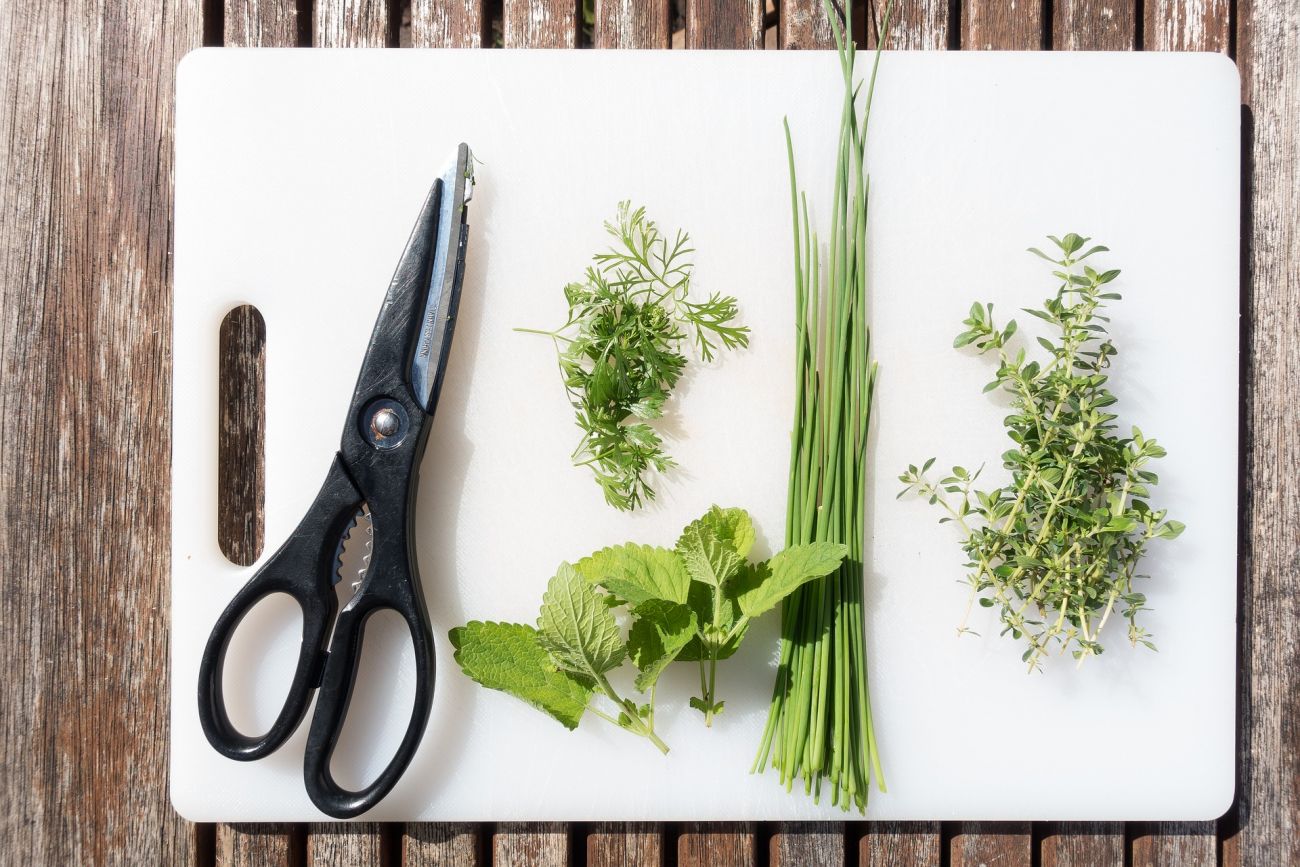
Before sowing your seeds, give some consideration to where you should place them. Some herbs and fruit or veg, like basil, parsley, thyme and tomatoes, tend to grow better indoors at room temperature – preferably on a sunny windowsill – whereas others are more suited to the outdoors environment.
4) Invest in plant pots & gardening equipment
Even if you intend to transfer your plants into open soil in your garden or allotment once they’ve started growing, you’ll probably want to start them off in individual plant pots. Splash out on a few decent plant pots that’ll compliment the decor of your garden and/or kitchen; plastic pots might be cheap, but they don’t look very pretty and they always end up breaking at some point.
Don’t forget to invest in some durable garden gloves, a small trowel and perhaps even a garden kneeler too. There’s nothing worse than getting all geared up to start growing your own kitchen garden, only to discover you haven’t got all the tools you need to get going.
5) Try growing unusual plants too
Once you’ve mastered the art of everyday herbs and common veggies, don’t be afraid to experiment with lesser known choices.
Cultivating mushrooms can make for a fascinating experience, for example. My grandad used to grow them and it was amazing to see them shooting up. Contrary to what many believe, they can actually be relatively easy to set up and grow.
Mushrooms are actually not plants, so they require different environmental conditions to grow. To get some cultivation experience, you can try growing mushrooms using ready-made kits. You shouldn’t have any difficulty in sourcing kits for common edible mushrooms like oyster mushrooms, lion’s mane mushrooms and white button mushrooms.

6) Sow your seeds
It’s finally now time to start growing your own herb garden!
Put your gloves on and start sowing your seeds, paying attention to the pack instructions to check how far apart you should space them and how far down they need to be buried.
Once the seeds have been sown, all that’s left to do is keep the plants watered and keep an eye out for any pesky slugs!
Do you have any tips on how to grow your own herb garden? I’d love it if you could share your advice with other readers in the comment box below.
Don’t leave until you’ve checked out these other posts – you’ll probably find them useful too!
- Getting Your Garden Ready for a Summer BBQ Party
- 22 Tips for Hosting the Ultimate Summer Party in Your Garden
- How to Choose the Right Kitchen Flooring
This is a collaborative post.