
A good pot of tea and a plate of something to eat are better together than apart – but only when the two actually get along. Put a delicate green tea next to a rich fruit cake and the tea disappears; pour a strong, tannic black tea alongside a delicate pastry and the pastry barely gets a chance to shine. Most pairing guides hand you a chart of combinations to memorise without ever explaining why they work, so the moment you’re holding a tea that isn’t on the list, you’re back to guessing.
The good news is that you don’t really need the chart. Tea pairs with food using the same two principles as wine, and once you understand them, you can pair almost anything by taste. Here’s how it works, the flavour science behind it, and a handful of pairings worth trying.
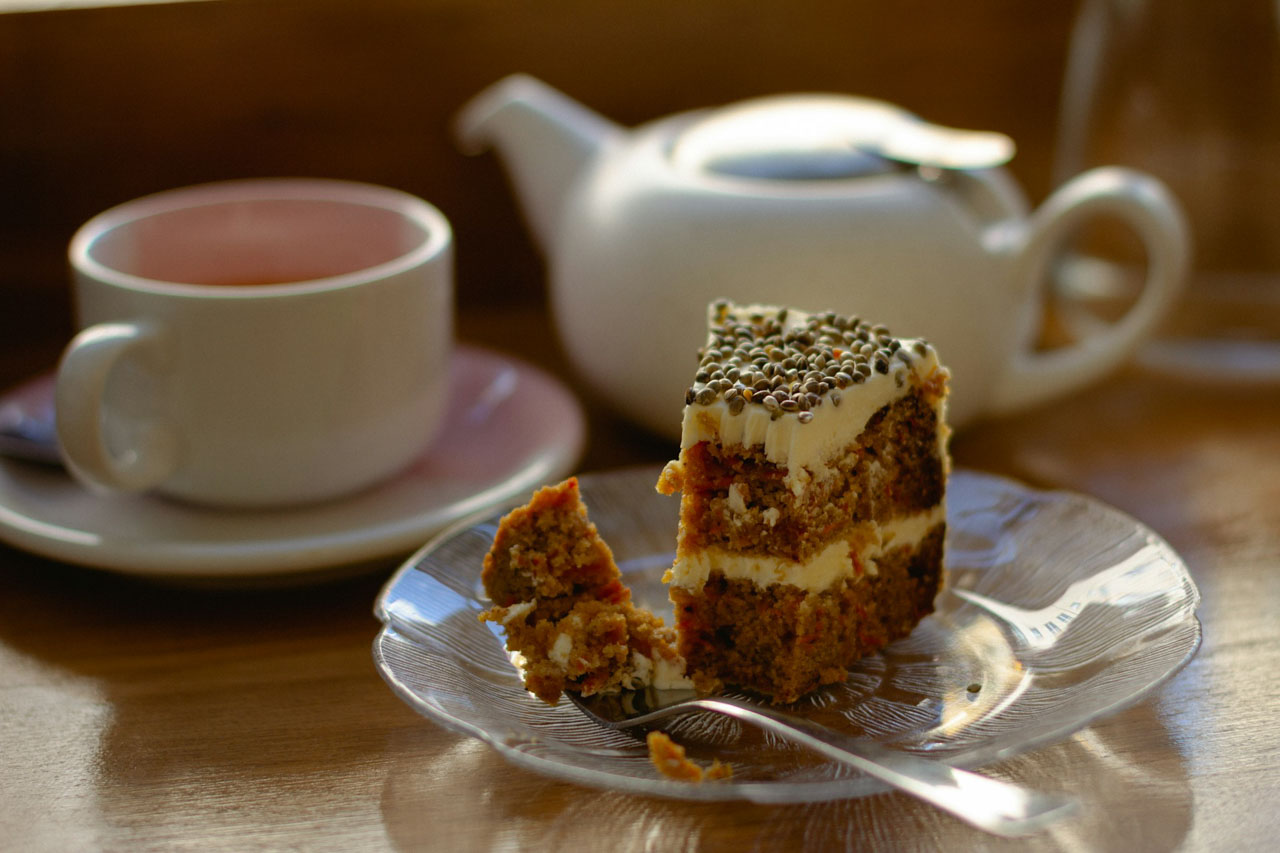
Start with one question: complement or contrast?
Every successful pairing does one of two things. It either complements the food, echoing flavours already on the plate, or it contrasts with them, creating an opposite that brings the dish back into balance.
A malty Assam alongside a buttered teacake is a complement: both are warm, rich and toasty, so they naturally reinforce one another. A brisk black tea served with oily smoked salmon or a wedge of creamy cheese is a contrast: the tea cuts through the richness and refreshes your palate before the next bite.
Before deciding between the two, match the weight. A delicate tea served with a heavy dish gets overwhelmed, while a full-bodied tea can easily overpower something light. Pair delicate with delicate and robust with robust first, then decide whether you want the flavours to echo each other or provide contrast.
Why some pairings work and others don’t
Tea does two important things in your mouth that explain almost every successful pairing: it dries and it deepens.
The drying sensation comes from astringency, and it’s the key to pairing tea with rich foods. Black and strongly brewed teas are high in tannins, a group of polyphenols that bind to the proteins in your saliva, leaving your mouth feeling slightly dry and puckered. Fat and protein help soften that sensation by giving the tannins something else to bind to. That’s why a tannic black tea feels clean and refreshing alongside creamy cheeses, buttery pastries or fatty meats, and why adding milk softens a strong brew – the milk proteins bind to the tannins before they reach your tongue.
The deepening comes from savouriness. Green and white teas contain much less tannin but are naturally higher in amino acids. Green tea, in particular, is rich in L-theanine, which stimulates the same umami taste receptors that respond to foods such as stock, Parmesan and ripe tomatoes. That subtle savoury quality is one reason green tea works so well with delicate savoury dishes and can struggle beside heavily sweet desserts.
Beyond tannins and umami, successful pairings often come down to shared aromas too. Smoky tea naturally complements barbecued meat, while citrusy teas pair beautifully with lemon cakes and other bright, fruity bakes.
A quick guide to pairing by type of tea
Use these as a starting point rather than hard-and-fast rules. Each follows the simple weight-then-complement-or-contrast approach.
- Strong black teas (Assam, English Breakfast, Kenyan): Full-bodied and tannic, making them ideal for roast meats, mature Cheddar, bacon rolls and dark chocolate.
- Lighter black teas (Darjeeling, Keemun): More aromatic and less brisk, pairing well with egg dishes, smoked fish, lightly spiced meals and creamy desserts.
- Green teas (Sencha, Dragon Well): Fresh, vegetal and savoury. Perfect with sushi, seafood, steamed rice, salads and soft goat’s cheese. Keep the food light so the tea isn’t overwhelmed.
- White teas: The most delicate of all, best with fresh fruit, plain shortbread and simple sponge cakes.
- Oolong: Sitting comfortably between green and black teas. Darker roasted styles work well with duck, roast chicken and caramel, while greener oolongs suit lighter dishes.
- Smoky teas (Lapsang Souchong): Excellent with smoked salmon, blue cheese and chargrilled or barbecued food.
- Rooibos: Naturally caffeine-free and free from tannins, so pair it according to sweetness and aroma. It works particularly well with honey cake, custard tarts and vanilla or caramel bakes. Rare Tea Co’s Rooibos is wild-harvested from ancient bushes in the Cederberg Mountains of South Africa’s Western Cape, giving it a deeper, naturally sweeter flavour than most supermarket rooibos.
- Herbal and fruit infusions: Also tannin-free, so focus on complementary aromas. Peppermint pairs beautifully with chocolate, while chamomile and citrus infusions work well with fruit-based desserts.
Pairing tea with an afternoon tea spread
Afternoon tea is a pairing puzzle in miniature, moving from savoury to sweet, so either choose one versatile tea or swap the pot as you work through each tier.
Start with a brisk black tea or a light green alongside finger sandwiches and quiche. Scones with clotted cream and jam benefit from a robust Assam or English Breakfast, whose tannins cut through the richness of the cream. As you move on to cakes and pastries, switch to something lighter, such as Darjeeling or Earl Grey, so the flavours remain balanced.
If bara brith or Welsh cakes are on the table, a malty black tea beautifully echoes the dried fruit and warming spices – a particularly fitting match for bara brith, which was traditionally soaked in tea before baking. If you’re finishing with a cheeseboard, simply match strength to strength: mild cheeses suit green or lighter black teas, while a powerful blue deserves something smoky or full-bodied.
For an afternoon tea that puts these principles into practice, The Angel Hotel in Abergavenny is hard to beat. Its award-winning High Tea has held the Tea Guild’s Award of Excellence since 2008 and, in 2011, received the Tea Guild’s prestigious Top City and Country Afternoon Tea Award, helping to cement its reputation as one of Britain’s leading afternoon tea destinations.
Brewing for the pairing
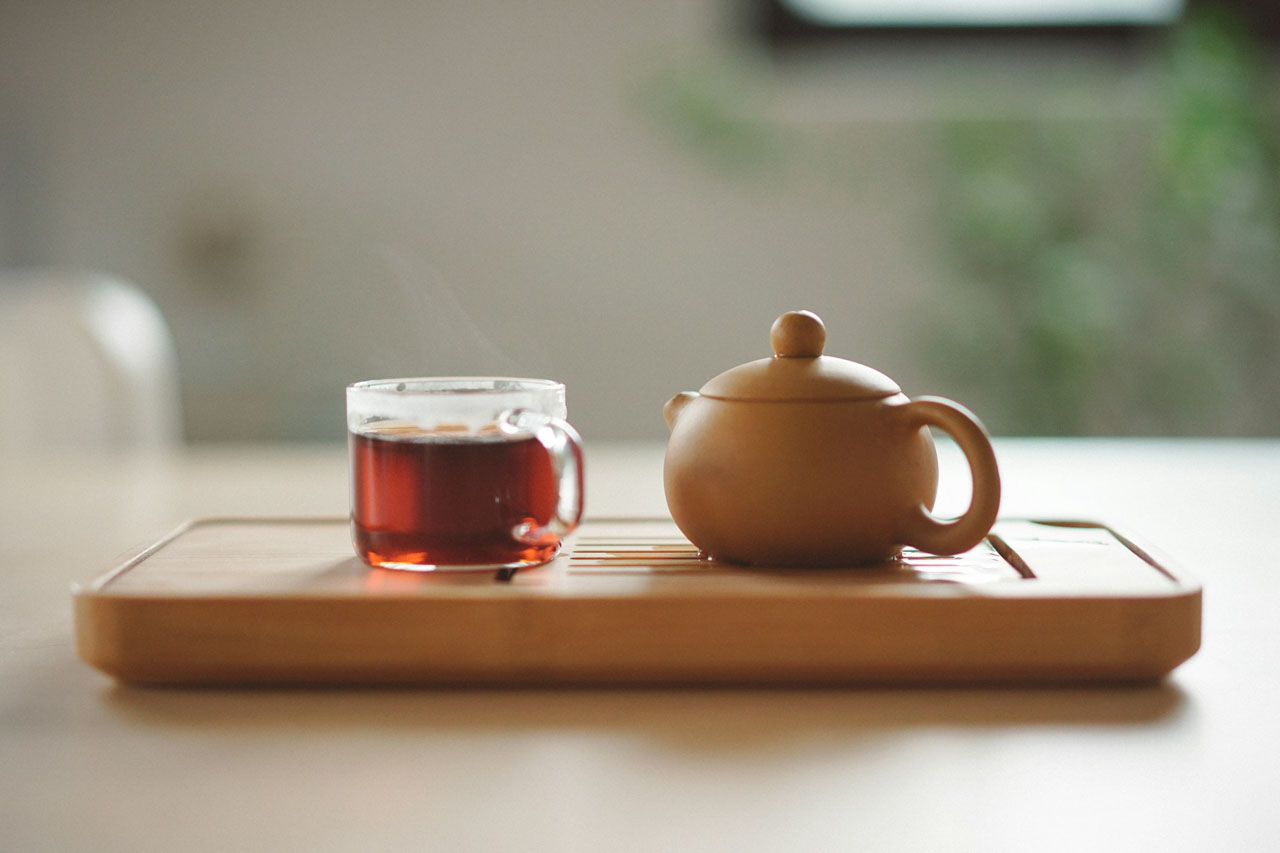
The way you brew your tea affects how well it pairs with food, and strength and temperature make the biggest difference.
Brew a little stronger when serving rich or savoury dishes, as the extra tannins provide greater contrast. For lighter foods, brew slightly weaker and at a cooler temperature so the tea remains gentle enough not to dominate.
Temperature matters too. Black teas happily take water just off the boil, but green and white teas quickly become bitter if brewed above about 80°C, making them far less enjoyable alongside food.
Milk is best reserved for strong black teas served with richer dishes. Green, white, oolong and fragrant Darjeelings are generally best enjoyed without it, allowing their more delicate aromas to shine. Finally, avoid over-steeping your tea. Once it becomes harsh and overly astringent, it will compete with almost everything on the plate.
Frequently asked questions
What tea goes best with dessert?
Match the tea to the style of dessert. Light, aromatic teas like Darjeeling, Earl Grey or citrus green tea complement fruit tarts and sponge cakes, while stronger black teas and smoky varieties stand up better to rich chocolate desserts and sticky puddings.
What tea should I drink with a cooked breakfast?
A brisk black tea such as English Breakfast or Assam. The tannins help cut through the richness of fried or buttered breakfast foods, refreshing your palate between bites.
Can you pair herbal and fruit teas with food?
Yes. Because they contain no tannins, pair them by aroma rather than richness. Peppermint works particularly well with chocolate, chamomile suits lightly spiced cakes, and fruit infusions brighten tart desserts.
Should I add milk when pairing tea with food?
Only with strong black teas served alongside richer dishes. Milk softens the tannins, but it can also mute the delicate flavours of green, white and oolong teas.
Can tea replace wine with cheese?
Absolutely. The same basic principle applies: match strength with strength. Mild, creamy cheeses pair beautifully with green or lighter black teas, while stronger blue cheeses work better with smoky or full-bodied black teas.
Experiment and trust your palate
Once you understand the simple principles of matching weight and deciding whether to complement or contrast, pairing tea with food becomes surprisingly intuitive. Rather than relying on a chart, start with a tea you already enjoy and serve it with something you naturally reach for. You may be surprised at just how much each changes the flavour of the other.
What’s your favourite tea and food pairing? Share your favourites in the comments below.