
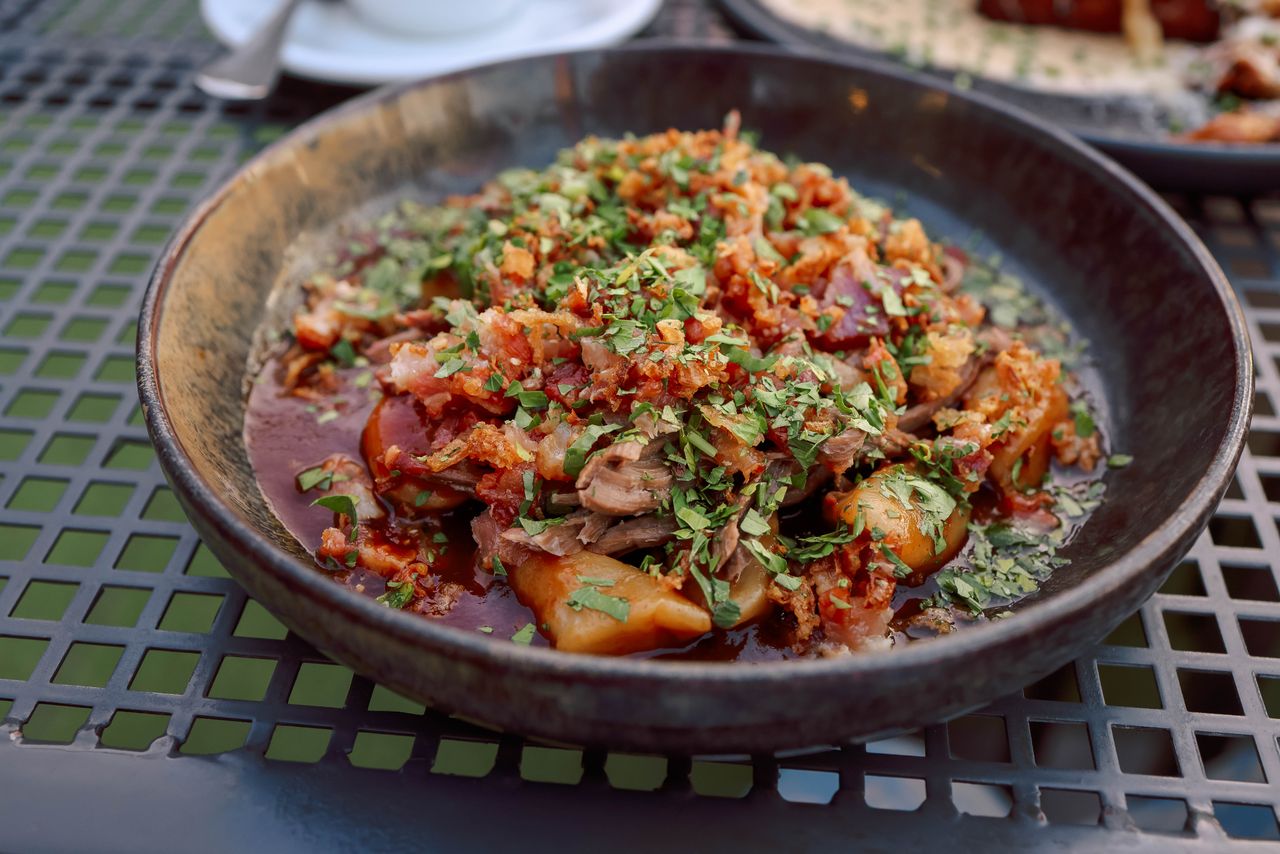
European culinary history is every bit as layered as the continent itself. Long before the word “chef” entered common use, cooks were already finding ingenious ways to make the most of what they had – often working with tough, inexpensive cuts of meat that demanded time, patience and skill. Techniques like braising emerged from necessity, transforming humble ingredients into deeply flavoured, sustaining dishes.
The science behind it is simple. Slow cooking gently breaks down the collagen in tougher cuts, softening the meat until it becomes tender and easy to eat. Add wine to the pot and, as the dish cooks, much of the alcohol evaporates, leaving behind acidity, aroma and a richer depth of flavour.
The culinary science of slow braising
There’s a reason the world’s best stews can’t be rushed. While braising may seem like a simple cooking method, it’s a carefully balanced process that combines heat, time and moisture to transform tougher cuts of meat into rich, comforting dishes packed with flavour.
It all begins with a good sear. Whether you’re cooking beef, lamb or another slow-cooking cut, browning the meat over a high heat creates the foundations of flavour. This stage triggers the Maillard reaction – a chemical process in which amino acids and natural sugars react to produce the deep, savoury flavours and caramelised crust that give a stew its distinctive character.
Once the meat is beautifully browned, the heat is reduced and the braising liquid is added. This does far more than simply stop the meat from drying out. Wine, stock or other cooking liquids help maintain a gentle, even temperature while their acidity gradually breaks down the tough collagen found in harder-working muscles. As the collagen slowly melts into gelatin, it enriches the cooking liquid, creating the silky, full-bodied sauce that defines a truly great stew.
Boeuf bourguignon and the culinary heritage of France
Few European stews are as iconic as boeuf bourguignon. Originating in the Burgundy region of eastern France, this slow-cooked classic began life as a humble farmhouse meal, created to transform inexpensive cuts of beef into something rich, nourishing and full of flavour. Today, it’s just as likely to appear on the menu of a Michelin-starred French restaurant as it is on a family dinner table.
Burgundy’s cold winters meant households often relied on tougher cuts of beef that benefited from long, gentle cooking. Local Pinot Noir wines became an essential part of the recipe, with their acidity helping to tenderise the meat while adding depth, complexity and the region’s distinctive character. More than a century later, making the right red wine selection remains one of the defining steps in creating an authentic boeuf bourguignon.
Although boeuf bourguignon had long been enjoyed in the Burgundy region, it gained wider recognition through Auguste Escoffier’s Le Guide Culinaire (1903), which helped establish many regional dishes as pillars of French haute cuisine. More than half a century later, Julia Child introduced the stew to a global audience through Mastering the Art of French Cooking, cementing its place as one of France’s best-loved culinary classics.
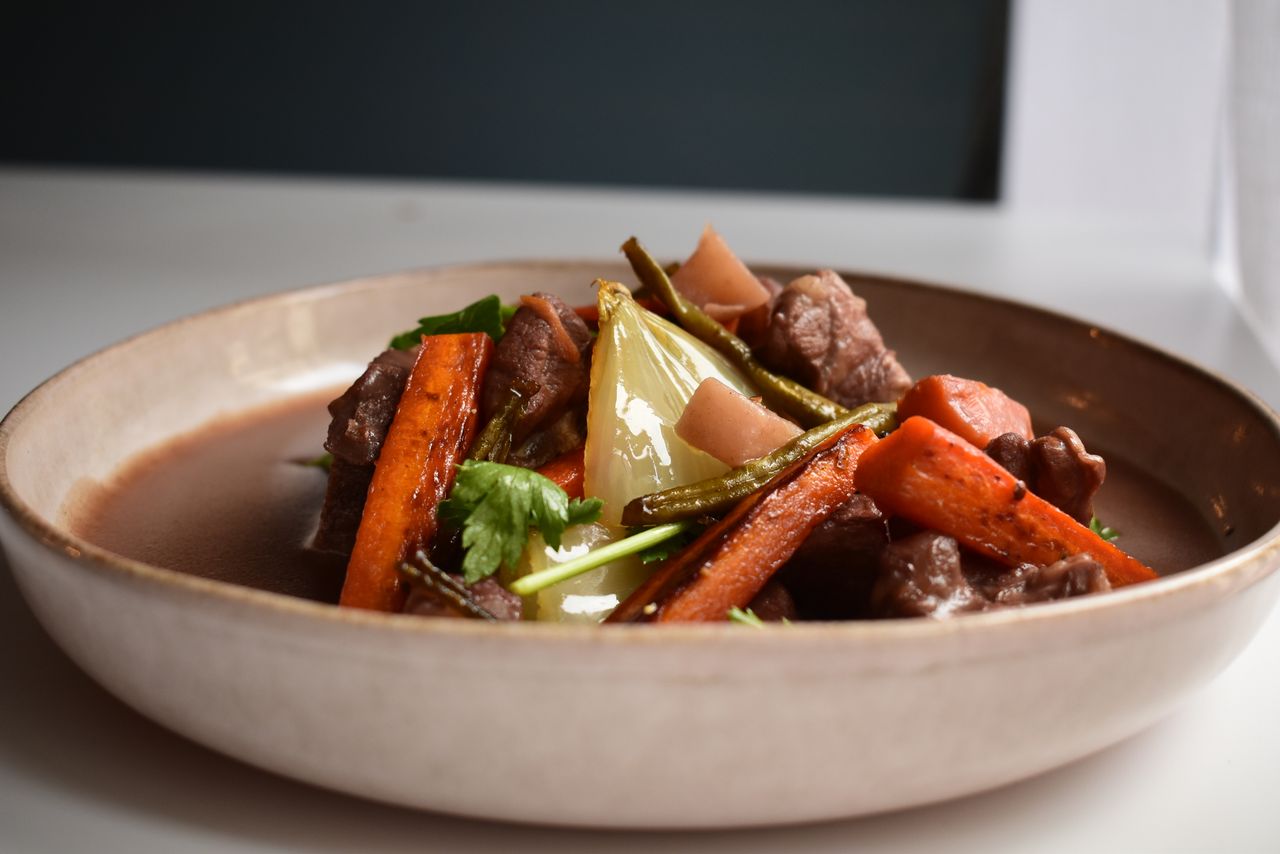
How to make Boeuf Bourguignon
Traditional recipes often call for Charolais beef, prized for its marbling and tenderness, although any good-quality braising steak will work well.
A bouquet garni of fresh thyme, parsley and bay leaves infuses the stew with classic French flavours as it slowly simmers.
Pearl onions and button mushrooms are typically cooked separately before being stirred into the stew towards the end of the cooking process, helping them retain their shape, texture and delicate sweetness.
Smoked bacon lardons form the flavourful base of the dish, adding a rich, savoury depth that complements the beef and enriches the sauce.
Finally, a Burgundy red wine – traditionally a Pinot Noir – serves as the primary braising liquid, adding acidity, depth of flavour and complexity while helping to tenderise the meat as it slowly cooks.
Peposo alla fornacina and the kilns of Tuscany
France isn’t the only European country with a rich tradition of wine-based stews. In Tuscany, the historic dish peposo alla fornacina has been warming hungry workers for centuries. Originating in the town of Impruneta, just south of Florence, the name translates as “peppery stew of the kiln workers” – a nod to the fornacini, the labourers who spent long hours tending the blazing furnaces used to fire the region’s famous terracotta.
Like boeuf bourguignon in neighbouring France, peposo was born from necessity. The kiln workers relied on inexpensive cuts of beef, which they placed into terracotta pots with generous amounts of black peppercorns, garlic and local Chianti wine. Rather than cooking over an open flame, the pots were left near the entrance of the kilns, where the steady residual heat slowly braised the meat for five hours or more, producing a remarkably tender stew with a rich, deeply peppery sauce.
The dish is also linked to one of the Renaissance’s greatest architectural achievements. As the story goes, architect Filippo Brunelleschi, who oversaw the construction of Florence Cathedral’s magnificent dome, regularly shared peposo with the kiln workers responsible for firing the terracotta tiles used in the project. Whether entirely fact or embellished over time, the tale has become an enduring part of the dish’s folklore and its connection to Tuscany’s rich cultural heritage.
Despite its long history, peposo remains wonderfully simple. Traditional recipes rely on just a handful of ingredients – beef, Chianti, garlic and plenty of black pepper – allowing time and slow cooking to do most of the work. Some modern versions include tomato purée or paste, but culinary traditionalists point out that tomatoes did not reach Italy until after the Columbian Exchange in the sixteenth century, making them a relatively recent addition. Today, peposo is typically served with slices of toasted Tuscan bread, often rubbed with garlic to create the region’s classic fettunta, perfect for soaking up every last spoonful of the rich, wine-infused sauce.
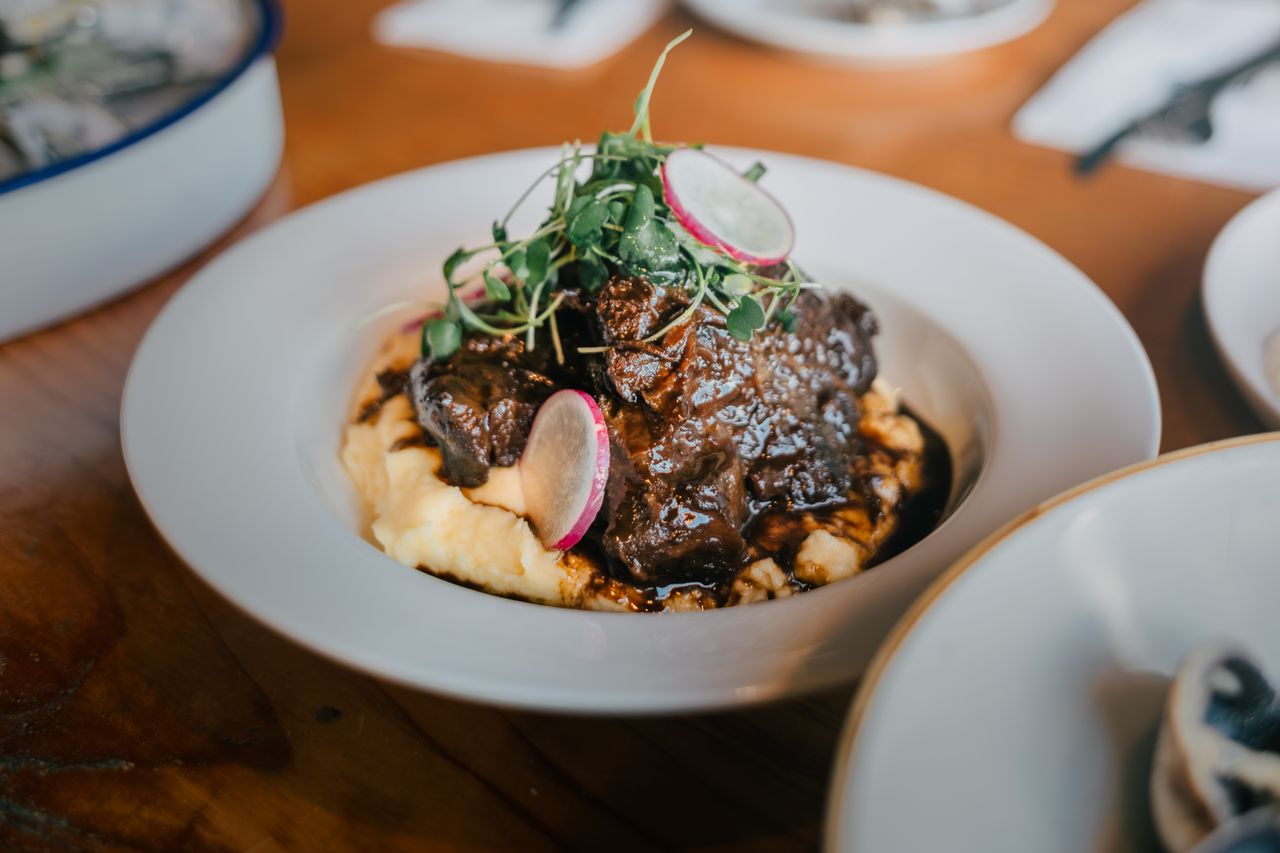
How to make Peposo
Peposo traditionally begins with tough, collagen-rich cuts of beef, such as shin or cheek, which become meltingly tender during the long, slow cooking process.
The dish is defined by its generous use of black pepper. Both whole and crushed peppercorns are added to create its signature warming spice, with some historians suggesting the heavy seasoning originally helped disguise the flavour of lower-quality cuts of meat.
Whole peeled garlic cloves are then added, infusing the stew with a subtle sweetness and aromatic depth as they soften.
A good-quality dry Chianti Classico is traditionally used as the braising liquid, with enough wine added to almost completely cover the meat.
The stew is left to simmer gently for three to four hours, allowing the beef to become fork-tender while the wine slowly reduces into a rich, intensely flavoured sauce. Traditionally, peposo is served with toasted Tuscan bread, making it the perfect vehicle for soaking up every last drop.
Rabo de toro and the Andalusian tradition
From Italy, we head west to southern Spain, where Andalusia has its own celebrated slow-cooked speciality: rabo de toro. Translating simply as “bull’s tail”, this richly flavoured stew has long been associated with Córdoba, although versions of the dish have been enjoyed across Spain for centuries.
Its modern story is closely tied to Andalusia’s historic bullfighting tradition. After a bullfight, the finest cuts of meat were sold to butchers, while less desirable parts, like the tail, given or sold cheaply to local families. Resourceful home cooks soon discovered that, given enough time, these tough cuts could be transformed into something extraordinary. Slowly braised with vegetables, herbs and red wine, the collagen-rich oxtail breaks down into tender meat while the natural gelatin from the bones creates the stew’s signature silky, glossy sauce.
Today, rabo de toro remains one of Andalusia’s best-loved comfort foods, appearing everywhere from traditional tapas bars to fine dining restaurants. While its origins may be humble, the dish perfectly demonstrates how patience and simple ingredients can produce remarkable depth of flavour.
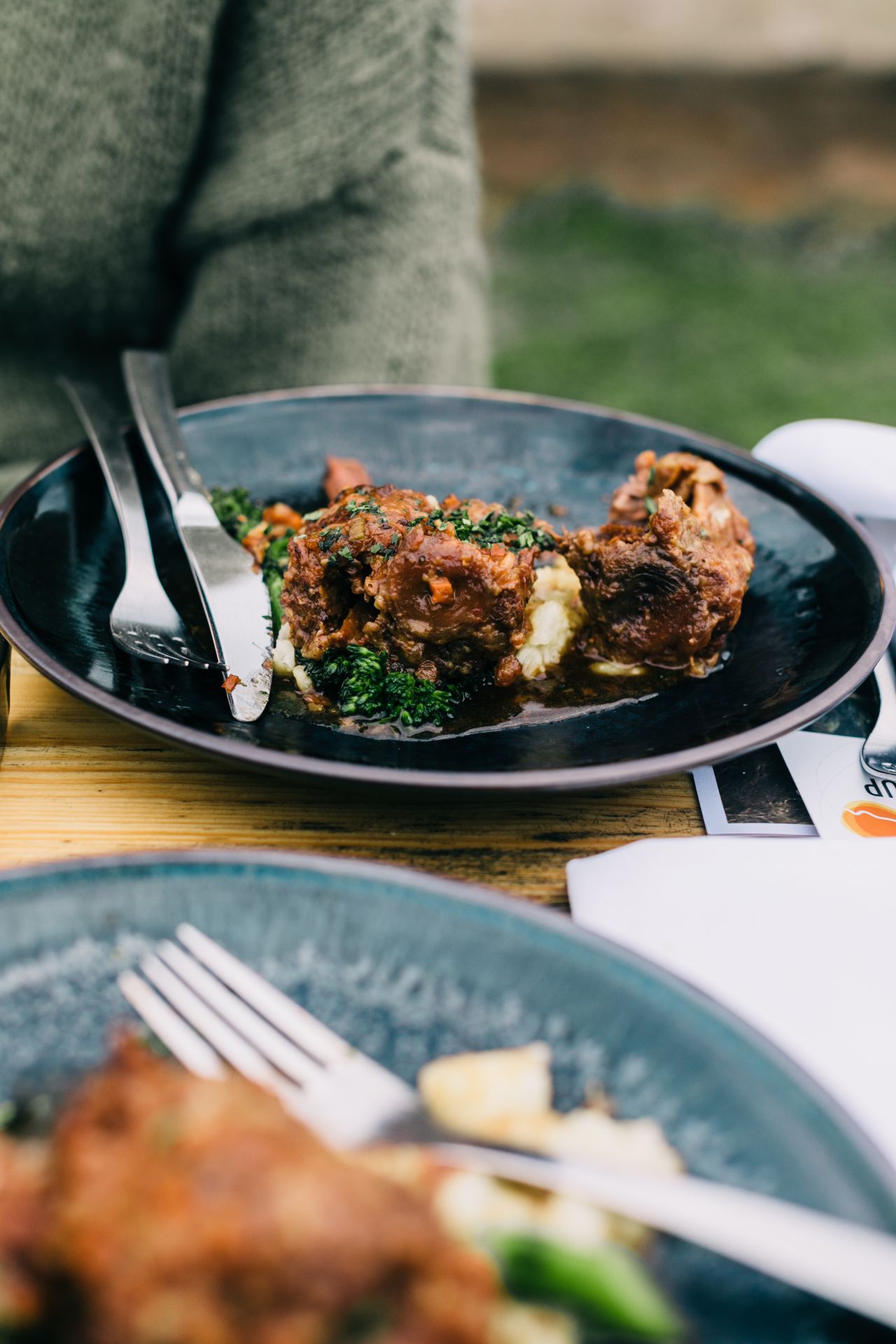
How to make rabo de toro
Traditional recipes begin by lightly dusting the oxtail pieces in flour before browning them in olive oil. This develops a rich caramelised crust and lays the foundations for the finished sauce.
The vegetables are then softened to create a classic sofrito, typically made with onions, carrots, leeks, garlic and red peppers, providing sweetness and depth to the stew.
Bay leaves, cloves and black pepper are added for warmth and aroma, while some recipes also include a pinch of ground ginger or paprika for extra complexity.
A full-bodied Spanish red wine – such as a Rioja or a wine from the nearby Montilla-Moriles region – is combined with rich beef stock to create the braising liquid, which slowly tenderises the meat while building layers of flavour.
The stew is gently cooked for around 3-4 hours, until the meat is falling off the bone and the sauce has reduced to a rich, velvety consistency. Traditionally, rabo de toro is served with fried potatoes, mashed potatoes or crusty bread to soak up every last spoonful of the intensely flavoured sauce.
What makes each stew unique?
Although these three dishes all rely on the same slow-braising technique, each reflects the landscape, produce and culinary traditions of its region. Burgundy’s boeuf bourguignon draws its character from Pinot Noir and fragrant herbs, Tuscany’s peposo celebrates the bold pairing of Chianti and black pepper, while Andalusia’s rabo de toro combines richly gelatinous oxtail with warming spices and full-bodied Spanish red wine. Each recipe proves that, while the method may be universal, local ingredients give every stew its own distinctive identity.
| Regional specialty | Geographic origin | Primary protein cut | Aromatic profile | Preferred braising liquid |
| Boeuf bourguignon | Burgundy, France | Charolais Beef Chuck | Thyme, Parsley, Pearl Onions | Pinot Noir |
| Peposo alla fornacina | Tuscany, Italy | Beef Shank or Cheek | Black Peppercorns, Garlic | Chianti Classico |
| Rabo de toro | Andalusia, Spain | Oxtail or Bull Tail | Cloves, Leeks, Red Peppers | Cabernet Sauvignon or Shiraz |
The enduring legacy of regional cookery
These historic stews have come a long way from their humble beginnings. Once created as practical, economical meals for working families, they are now celebrated as some of Europe’s most iconic comfort foods, proudly reflecting the culinary heritage of their respective regions.
Despite their differences, they all share one defining ingredient: wine. Whether it’s a Pinot Noir from Burgundy, a Chianti Classico from Tuscany or a robust Spanish red from Andalusia, the braising wine does far more than add flavour. It tenderises the meat, enriches the sauce and gives each dish its unmistakable regional character – proving that the simplest ingredients, when paired with time and tradition, can create truly unforgettable food.
Which of these classic European stews would you most like to try – or do you have a favourite slow-braised recipe of your own? Let me know in the comments below.