
Machu Picchu draws hundreds of thousands of visitors each year, yet many arrive without a clear sense of what they are actually walking into. The site operates on a timed-entry, circuit-based system, with daily visitor numbers capped and Inca Trail permits sold separately through licensed operators.
This guide walks through the steps involved in planning a Machu Picchu trip, so you can get the logistics sorted well before departure and make the most of the highlights along the way, whether you go it alone or use one of the many Machu Picchu packages on the market.
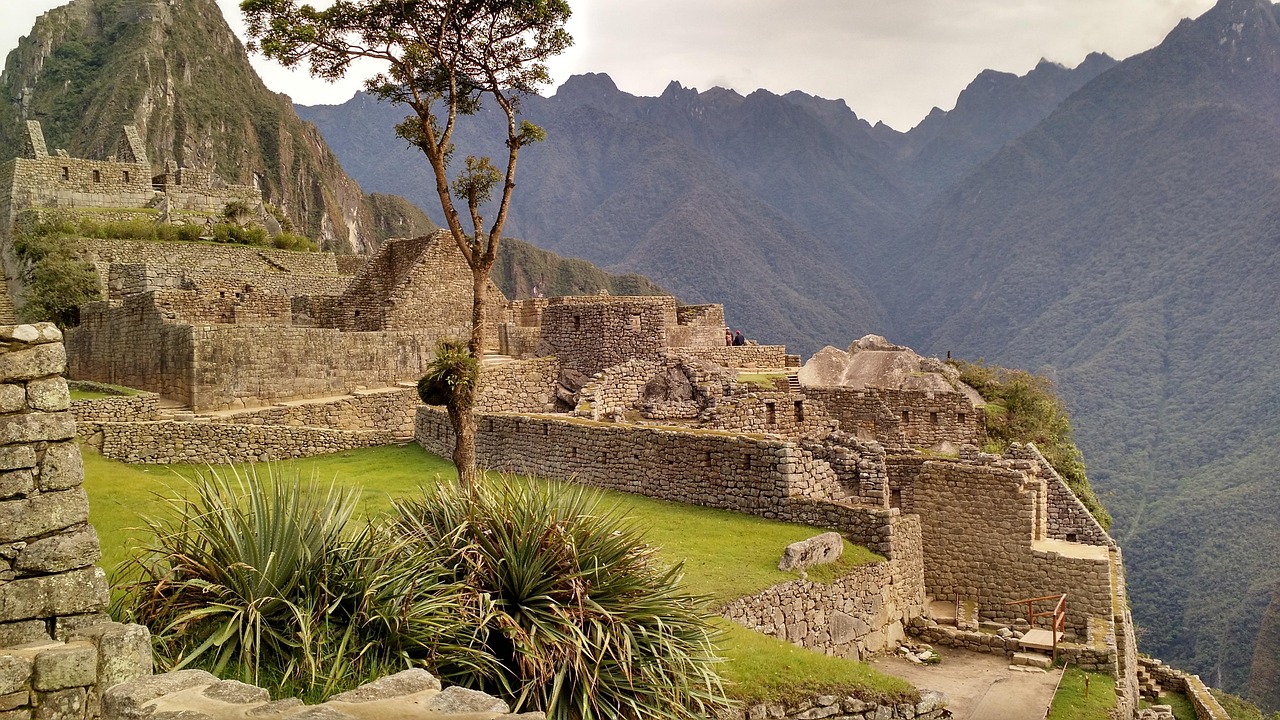
Getting to grips with Machu Picchu tickets and circuits
Visitors need to reserve a ticket in advance for a specific entry time and circuit, so this is one of the first things to think about when planning your trip. Different routes cover different areas and viewpoints around Machu Picchu, while access to attractions like Huayna Picchu and Machu Picchu Mountain is limited and needs to be factored into your ticket choice.
Inca Trail permits are handled separately from Machu Picchu entry tickets. The trail is a protected route with a fixed number of permits available, and these can only be booked through an authorised operator. If you’re hoping to travel during the popular June to August period, it makes sense to start planning several months ahead, particularly if you have fixed travel dates.
Getting to Machu Picchu
There is no road leading directly to Machu Picchu. The gateway town is Aguas Calientes, reached by train from either Cusco or Ollantaytambo, a town in the Sacred Valley. PeruRail and Inca Rail operate services along the route, with journey times and departure options varying depending on where you board.
From Aguas Calientes, a bus completes the final stretch up to the entrance. This is worth considering when choosing your Machu Picchu entry time, particularly if you’re aiming for an early morning visit.
Operators like Machu Travel Peru can coordinate the train, overnight stay and onward journey as part of a custom-built itinerary, helping to avoid the headache of trying to piece together different elements of the journey yourself.
Allowing time to adjust to the altitude
Cusco stands at around 3,400 metres above sea level – considerably higher than Machu Picchu itself, which sits at around 2,430 metres. Travellers arriving in Cusco without allowing for adjustment time may experience the effects of altitude, so it’s sensible to avoid packing too much into your first day.
Allowing a few days before your main Machu Picchu visit also creates an opportunity to see more of the surrounding region. The Sacred Valley includes notable stops like the salt pans of Maras and the Inca ruins at Ollantaytambo, both of which can easily be worked into a wider itinerary. The Sacred Valley also sits at a lower elevation than Cusco, making it a popular place to spend some time while acclimatising.
Choosing between a fixed package and a custom itinerary
Not all Machu Picchu packages cover the same ground, and the distinction between a fixed group departure and a custom itinerary can make a real difference to your trip.
Fixed departures run on set dates with a defined schedule and can be a more affordable option. Custom itineraries offer more flexibility, allowing you to choose your travel dates, set your own pace and build in additional time for altitude adjustment or exploring the Sacred Valley, although this flexibility will often come at a higher price.
A well-organised package, whichever format you choose, should make it clear which Machu Picchu entry tickets and circuits are included, how your transport is coordinated, where you’ll be staying and whether a licensed guide is included for your visit.
Checking what’s included in your Machu Picchu package
Some Machu Picchu packages may leave out elements travellers expect to be covered, such as Inca Trail permits, internal flights from Lima or Sacred Valley excursions. Asking for a written breakdown of exactly what is included before confirming your booking makes it much easier to compare different options and avoid unexpected costs later.
Once your tickets and circuit are sorted, your transport is coordinated and you’ve allowed enough time to acclimatise, most of the complicated planning is already out of the way. You’ll then be free to concentrate on experiencing Machu Picchu itself, rather than worrying about the logistics once you’re in Peru.
Have you visited Machu Picchu, or is it still on your travel wish list? If you’ve already been, what advice would you give to someone planning their first trip?