
As dashcam usage surges, so do concerns about driver privacy. In fact, driver-facing cameras have scored just 2.24 out of 10 in approval ratings, with most drivers worried about being monitored and how that footage could be misused. Yet, in an interesting twist, around 68% still support technology that improves road safety and accountability.
It’s a clear contradiction: drivers want protection – but not at the cost of their privacy.
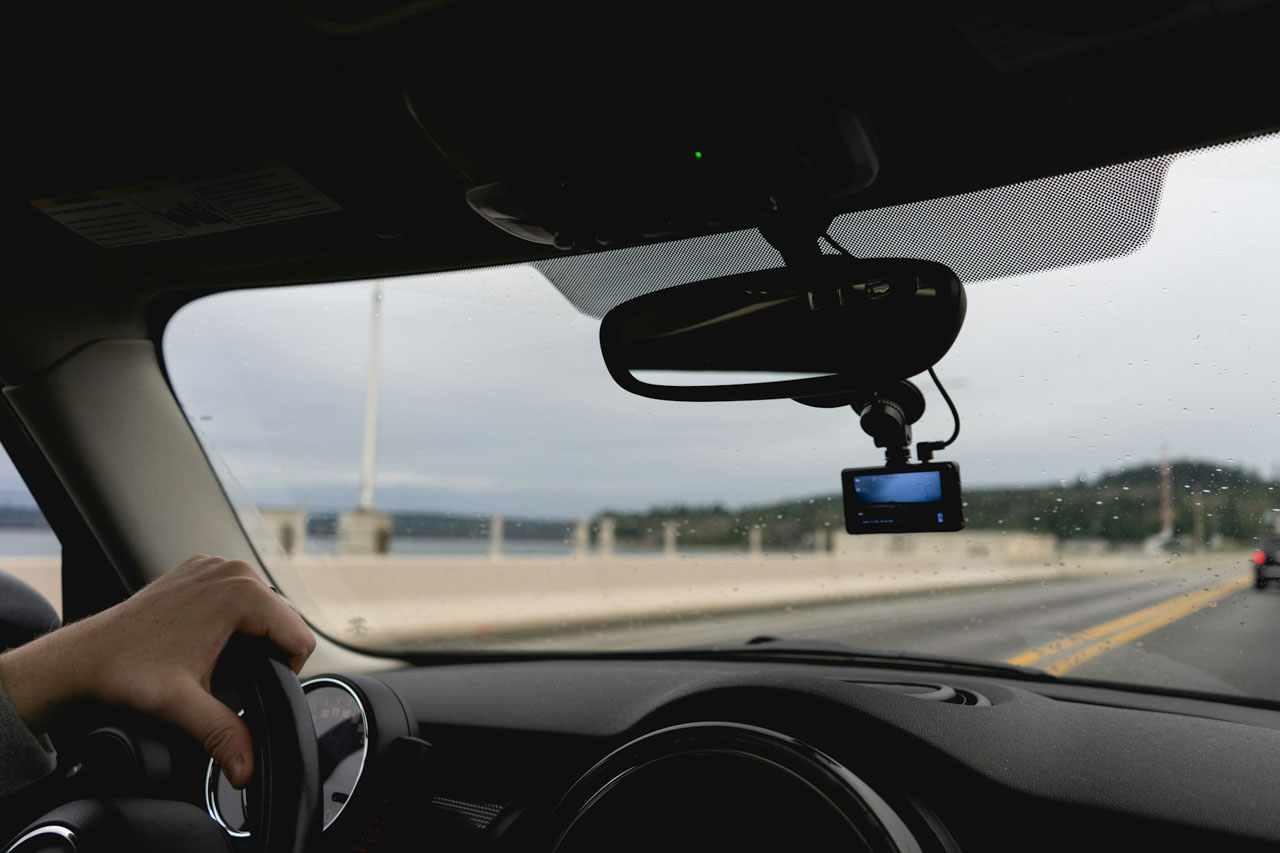
Why dashcam privacy matters now more than ever
The dashcam market is booming. Forecasts estimate it will reach $8.34 billion by 2030, growing nearly 10% annually. Once niche gadgets, dashcams are now considered essential tools – especially for commercial fleets where safety, liability protection, and driver accountability are key.
- 72% of National Private Truck Council fleets now use dashcams
- Over half of those use both road- and driver-facing cameras
- In the UK, 2–3 million vehicles are equipped with dashcams
- 1 in 4 drivers support making dashcams mandatory in all vehicles
But despite these numbers, privacy remains a sticking point.
Top privacy concerns among drivers
Driver-facing cameras, in particular, raise serious issues. For many long-haul truckers, their cab is more than a vehicle – it’s a second home.
Common concerns include:
- Feeling watched in a personal or private space
- Worrying how footage might be stored, used, or misinterpreted
- Anxiety that small mistakes could lead to disciplinary action
- A sense that cameras imply mistrust from employers
These fears aren’t just theoretical – they’re impacting workforce stability.
The link between privacy and driver retention
In a 2023 FleetOwner survey, 62% of drivers felt uncomfortable with dual-view (road- and driver-facing) cameras. Fleets that took a privacy-first approach – such as using road-facing cameras only – saw up to a 15% drop in driver turnover. One study even found that companies introducing privacy-focused policies improved retention rates by 18%.
Dashcam privacy laws: What to know in 2025
Laws governing dashcam use vary significantly between countries and even within states.
- In the US: Dashcams are legal, but placement and audio recording laws differ
- California: Cameras must be mounted within restricted zones on the windscreen
- Texas & Alabama: Windshield mounting is not permitted at all
- In the EU: Privacy laws are stricter
- In Austria, one driver was fined €300 for non-compliant dashcam use
GDPR, CCPA & what they mean for dashcam users
Under GDPR (EU law), dashcam footage that captures identifiable individuals is classed as personal data. This makes the dashcam owner the “data controller,” with legal obligations to justify the collection of footage, inform individuals that they’re being recorded, protect the data from misuse, and limit how long it’s retained. Meanwhile, CCPA (California law) gives residents additional rights over how personal data—such as dashcam footage—is collected, stored, and shared. These regulations are even more stringent for businesses, particularly those operating across international borders.
Audio recording: Consent laws to consider
- One-party consent states (e.g. Texas, New York, Georgia): Only one participant must consent
- All-party consent states (e.g. California, Florida, Illinois): Everyone involved must agree
- Recording employees without proper notice in all-party states can lead to serious legal issues
Business vs. personal dashcam use
- Personal use: When using a dashcam on a personal road trip, rules are more lenient; GDPR and consent laws don’t apply as stringently
- Commercial use: Must follow strict rules on consent, footage retention, security protocols, and data access
Privacy-first dashcam features to look for
If you’re shopping for a dashcam, choose one that balances safety and privacy. Look out for features like:
Event-based recording
Captures footage only during incidents like hard braking or collisions, reducing unnecessary surveillance.
Privacy mode
Allows drivers to disable recording temporarily, especially inward-facing cameras. Premium models include manual override buttons with LED status indicators.
Secure storage & encryption
Footage should be encrypted both at rest and in transit. Weak encryption is a major vulnerability.
Cloud vs. local storage
- Local (SD card): Instant access without ongoing fees
- Cloud: Greater security and remote access even if the dashcam is damaged or stolen
Access control
Role-based permissions, audit trails, and encrypted sharing links ensure only authorised users can view footage—especially critical for insurance claims or legal evidence.
How to build trust and stay compliant
Privacy concerns aren’t solved with tech alone – transparent communication and policy-making are equally important.
Draft a clear dashcam policy
Include:
- When recording happens
- How long footage is retained (28–45 days is typical)
- Who can access footage and under what conditions
- Whether audio is recorded
- What happens during off-duty hours
Educate your drivers:
- Hold open Q&A sessions
- Explain how footage is used
- Reassure them that it supports safety and liability – not surveillance
Respect off-duty time:
Clearly state that monitoring ends during personal hours, even in company vehicles. In some regions like New South Wales, this is a legal requirement.
Conduct regular audits:
Update policies to reflect current laws and tech developments. Keep documentation of employee acknowledgements and compliance reviews.
Dashcams are powerful tools for improving safety and accountability – but without the right protections, they can undermine driver trust. As adoption continues to grow, so too must our commitment to transparency, consent, and data security.
Whether you’re a solo driver or managing a fleet, choosing privacy-first features and implementing strong policies isn’t just about avoiding fines – it’s about respecting people behind the wheel. Dashcams should offer peace of mind, not feel like surveillance. Choose wisely – and protect privacy as fiercely as you protect the road.