
This is a sponsored post.
You’ll no doubt have heard about – and probably even tasted – Welsh Lamb and Welsh Beef. But what about porc or, as we like to call it here in Wales, Porc Blasus (‘delicious Pork’)? Read on to discover the benefits of locally sourced porc and to get your hands on my Caribbean-inspired porc medallions recipe complete with coconut rum sauce, sweet potato mash, fresh spinach and lotus root crisps!

This week sees the return of Porc from Wales Week, organised by Porc Blasus and Hybu Cig Cymru (Meat Promotion Wales). Running from 18th – 24th January, Porc from Wales Week 2021 showcases the many different qualities of locally sourced porc, encouraging consumers to consider seeking out porc from Wales and connecting them with reputable suppliers.
I’m thrilled to be supporting Porc from Wales Week again this year. I’ve been working with Porc Blasus since as far back as 2015, when I created a few recipes for their website. Last year, I supported Porc from Wales Week by covering Porc Blasus’ pop-up restaurant experience in Cardiff on my social channels.

Locally sourced porc, global cuisine
So, what’s so special about porc? Well, Welsh pigs are reared in smaller herds on small-scale specialist farms, using traditional farming techniques. Often, they’ll be reared for longer than usual to allow the meat to fully mature. Sometimes, porc has noticeably darker skin and rosy pink flesh and this is seen as an indication of the quality of the meat.
To celebrate Porc from Wales Week 2021, Porc Blasus challenged me to create a locally sourced porc recipe inspired by my travels. Caribbean cuisine was my gut instinct; after all, pork is so widely used in Caribbean cooking and the countless meals I’ve devoured during my time in Jamaica and Grenada have left me with a real passion for Caribbean food.
Caribbean cooking
You see, the more I get to know Caribbean cuisine (and I’ve really only just scratched the surface), the more I begin to appreciate the distinctive culinary identities of different Caribbean islands. Think Caribbean cuisine is all jerk chicken, rice n’ peas and dumplings? Think again. While these dishes might dominate Western notions of Caribbean cooking, in reality, Caribbean cuisine has been shaped by people of many different cultures, from the indigenous Arawaks and Caribs and those who came from Africa, to those who came from France, Spain, England, India and Asia.

I’m not exaggerating when I say I ate my body weight in jerk pork in Negril seven years ago and I momentarily considered developing a jerk porc recipe for Porc Blasus, but it just seemed a little bit too obvious to me; I mean, there are already hundreds of Jamaican jerk recipes out there!
Instead, in creating my dish, I decided to go for something a little different, drawing upon the time I’ve spent on the eastern Caribbean island of Grenada over the last two years.
Grenada – The Spice Island
A tri-island archipelago also comprising of the southern Grenadine islands of Carriacou and Petite Martinique, Grenada is well-known for its production of spices. Dubbed the Island of Spice or the Spice Island, it’s one of the world’s largest exporters of nutmeg and mace, alongside other spices. In fact, nutmeg even puts in an appearance on the country’s national flag.
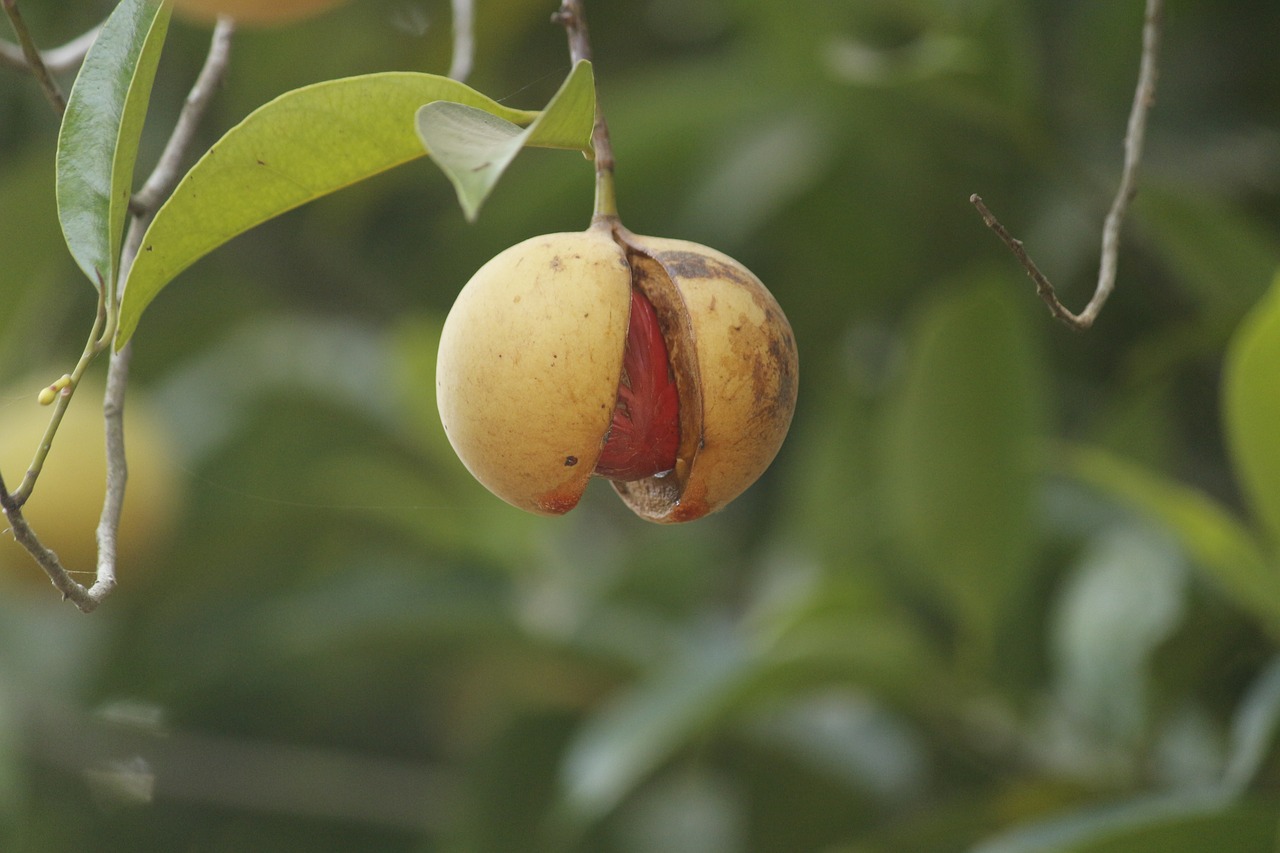
Grenadian nutmeg
Visiting the island for the second time last year, I went along to the Gouyave Nutmeg Processing Station on Grenada’s west coast, where I met some of the women who process the nutmeg, peeling away the vibrant orange aril (seed covering) of mace to reveal a shiny brown shell which is then cracked open to reveal the nutmeg inside.
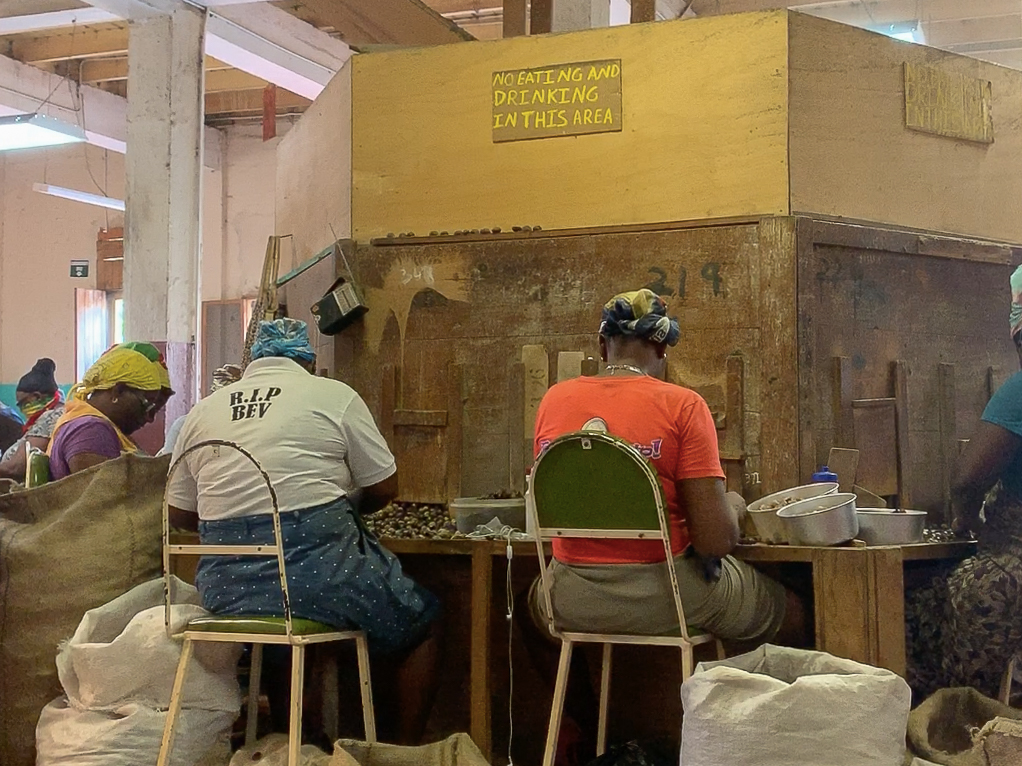
While in Grenada, I enjoyed discovering how nutmeg is used in island cooking. From nutmeg ice cream and nutmeg jam to nutmeg mash and nutmeg chicken, nutmeg is used in all kinds of dishes and drinks throughout Grenada. You can’t order a true rum punch here without a grating of nutmeg on top!

Given the prominence of nutmeg in Grenadian culture and cuisine, it would have been rude not to add a grating to my porc medallions recipe! Besides, nutmeg pairs incredibly well with porc and it gave my coconut rum sauce that added edge! I’ve used authentic Grenadian nutmeg here, but you can buy whole (and ground, but whole is best!) nutmeg at most big UK supermarkets.
Grenadian rum
Besides its spices, like many other Caribbean countries, Grenada has a sterling reputation for its rum, with four (soon to become five) existing rum makers on the island (two distilling).
Built in 1785, River Antoine Distillery (located on the island’s north-east coast) is the Caribbean’s oldest functioning water-propelled rum distillery, producing a 75% ABV rum that’s so potentially combustible, it’s illegal to carry onto a plane. The distillery also produces a watered-down version for travellers to fly with, but it’s still a whopping 69% ABV!

The rum produced at River Antoine Distillery is all white rum, but I’ve used dark rum in my coconut rum sauce as it adds more depth of flavour and transforms the sauce from a dull milky white to a warm golden brown.
Notably, the machinery featured in the watermill at River Antoine Distillery is manufactured by George Fletcher and Co. of London and Derby and is thought to have been in place since 1840, when Grenada was under British rule.

The impact of colonisation on Grenadian cuisine
Why the history lesson? Well, the French and British colonisation of Caribbean islands like Grenada led to an influx of immigrants travelling to these islands, each bringing their own unique range of culinary techniques and tastes to the table.
Grenada was under French rule from 1674 to 1763, when it was ceded to the British in the Treaty of Paris, remaining a British territory until 1974. As such, French, British and African influences can be particularly prominent on the island and this can also be seen in the local cuisine at times too.
The coconut rum sauce I’ve paired my porc medallions with uses the French ‘flambé’ cookery method. However, while a typical creamy French sauce might feature butter, cream or white wine, for example, I’ve turned to rum and while I have used a little double cream, I’ve also added a splash of coconut milk (a staple ingredient in Caribbean cooking).

I’ve teamed my porc medallions with garlic-infused sweet potato mash, fresh spinach and crunchy lotus root crisps, but you could serve them with whatever veg you like. Most Caribbean dishes are served alongside ‘ground provisions’, which could include all kinds of root and other veg. Besides sweet potato, other popular examples include yam, plantain, breadfruit, cassava, green banana (or fig) and dasheen (or taro).
Porc medallions recipe with coconut rum sauce
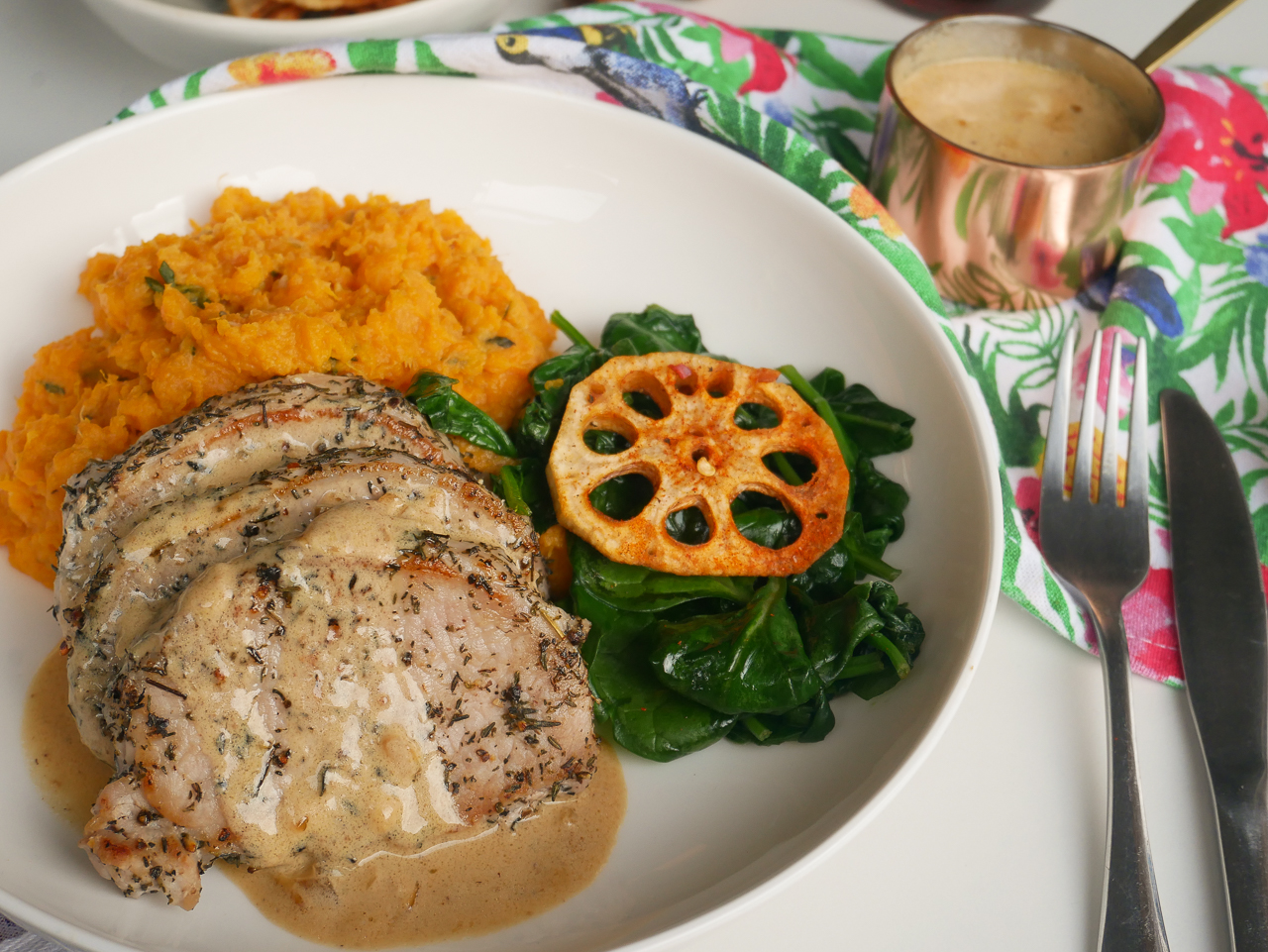
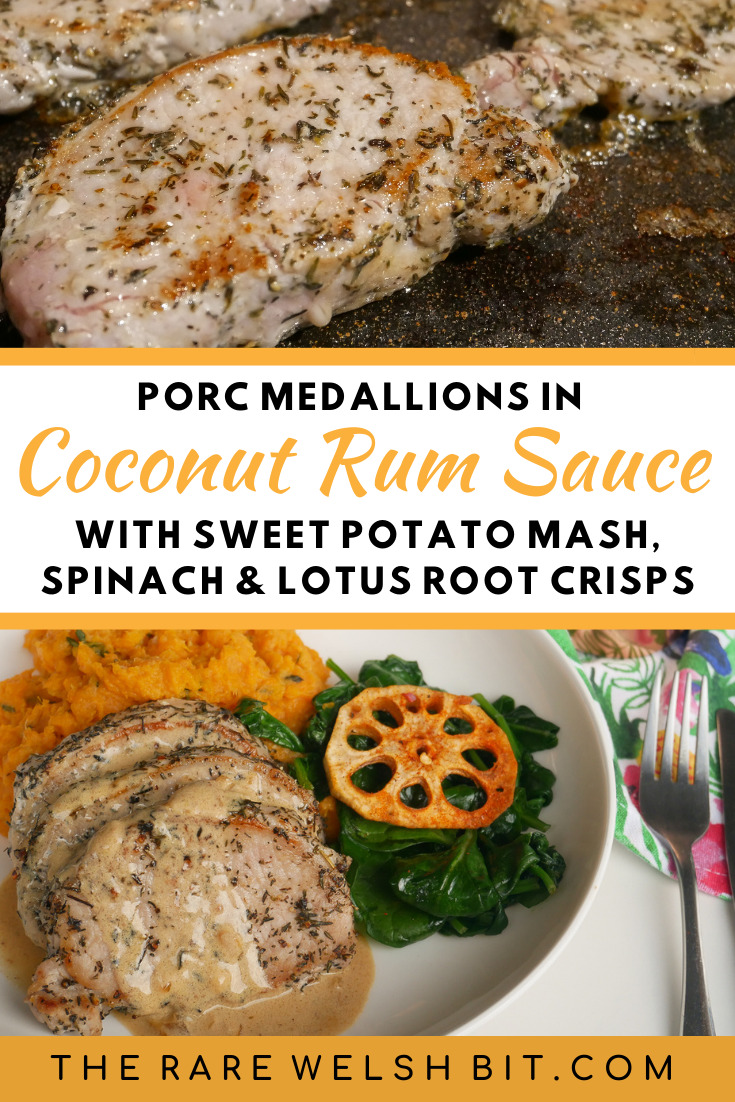
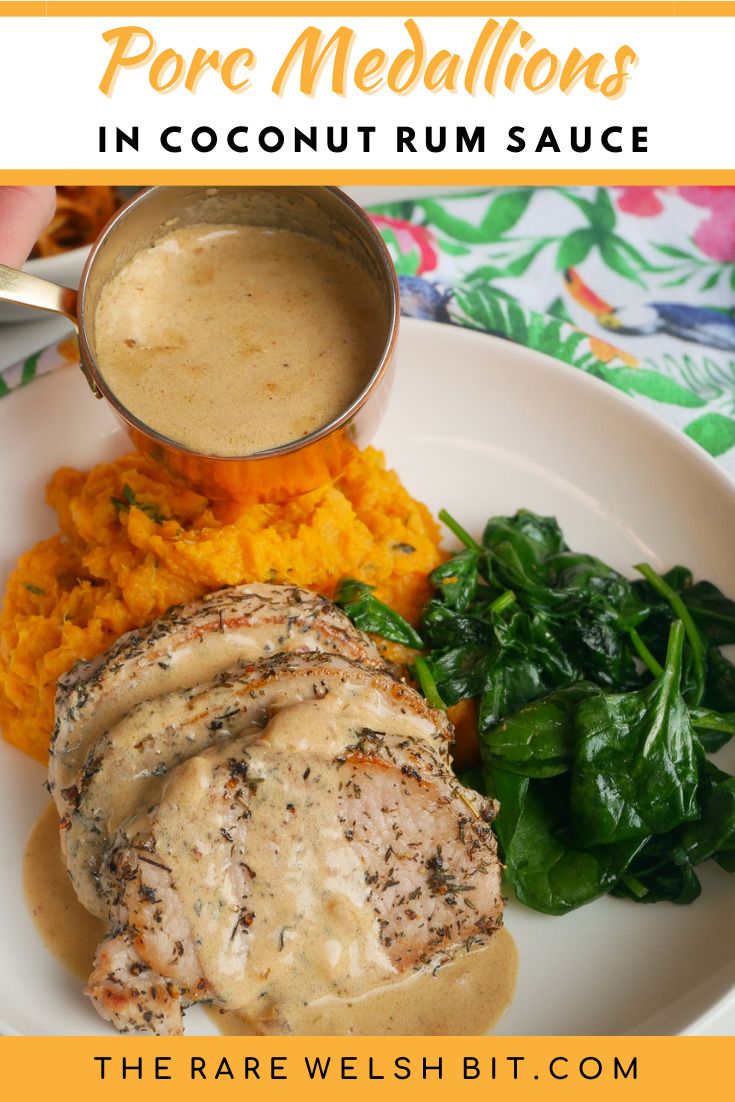
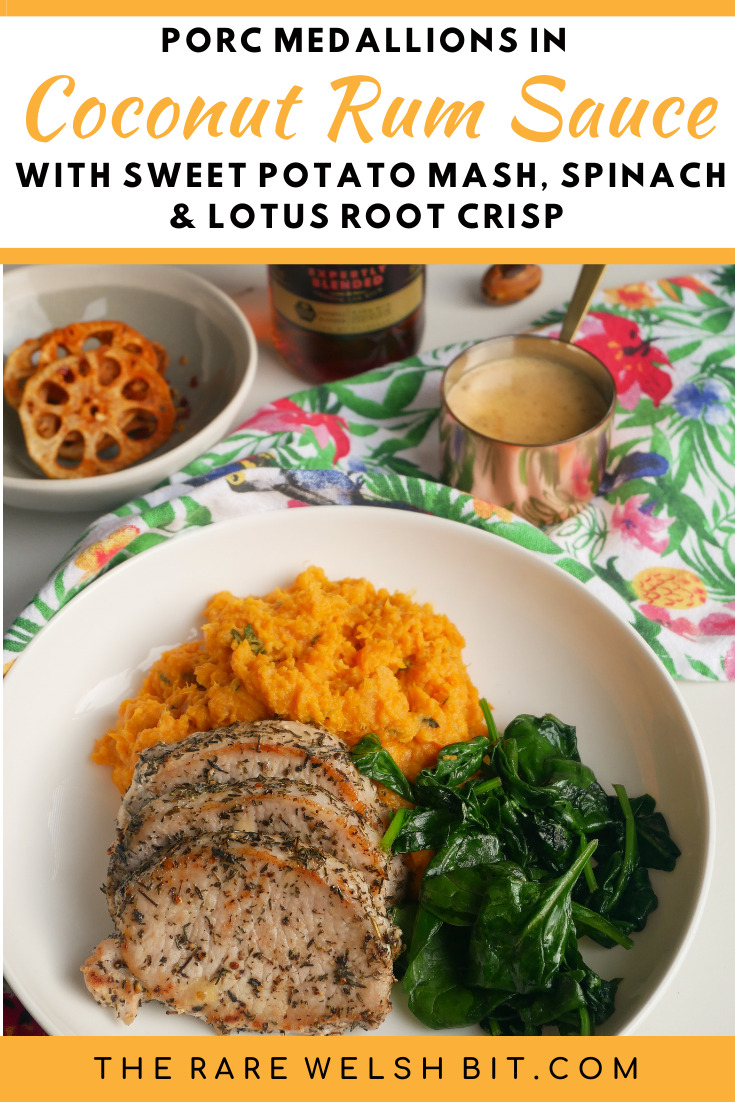
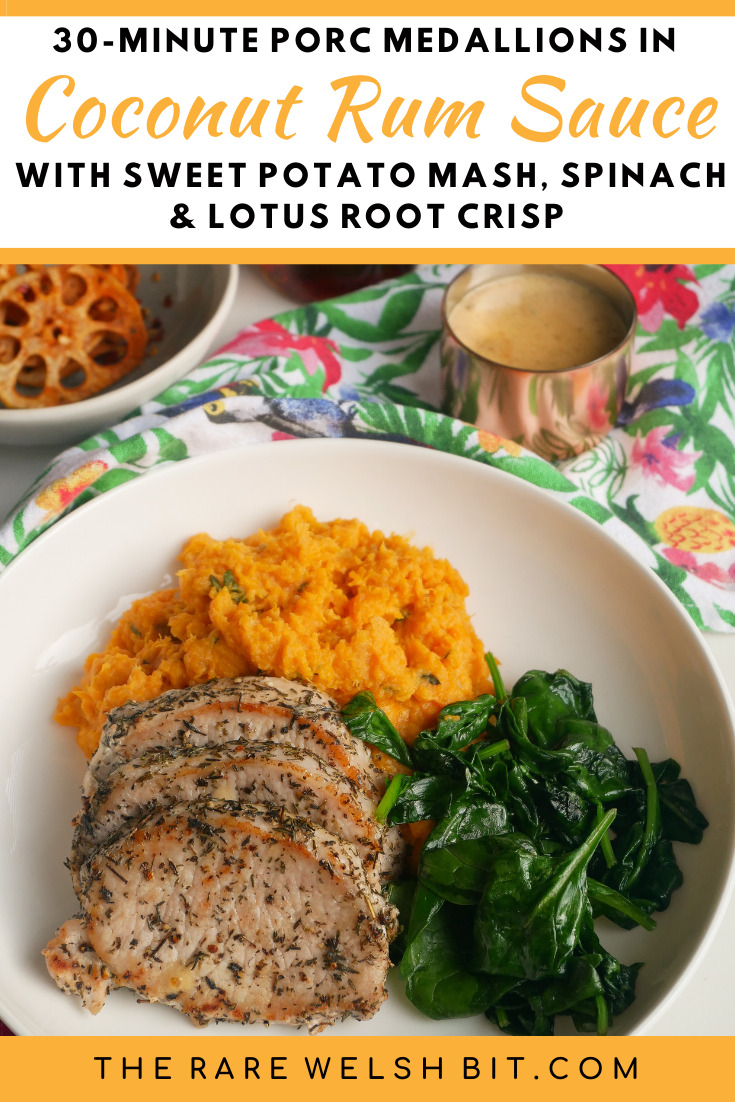
Served alongside sweet potato mash, fresh spinach and lotus root crisps, these porc medallions in coconut rum sauce are bound to wow at the dinner table! Best of all, the entire dish is incredibly quick and easy to prepare. Find the full recipe at the bottom of this post.
I recommend starting by preparing the lotus root crisps, followed by the sweet potato mash and the porc medallions in coconut rum sauce, finishing with the spinach.
For the lotus root crisps
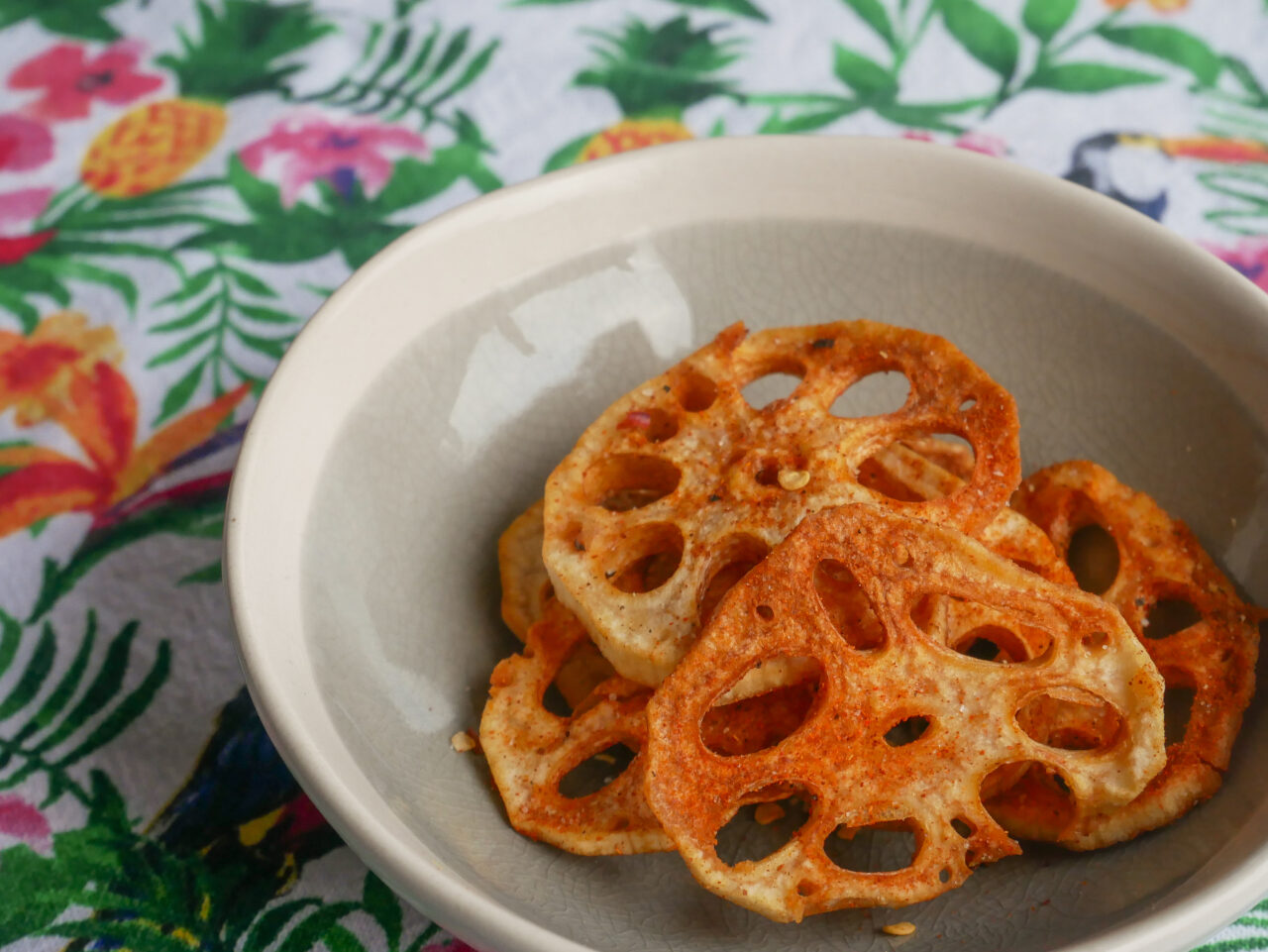
You might think of lotus root as an Asian ingredient and, traditionally, it is; this is a fine example of how certain ingredients have made their way over to the Caribbean from other corners of the globe. In the UK, you’ll probably need to visit a specialist Asian supermarket to get your hands on lotus root. It’s best bought fresh, but frozen or canned will do if that’s not available.
Slice it up as thinly as possible (ideally, using a mandoline) and pat it dry with kitchen towel to absorb any moisture. Then, just toss it in salt and pepper, with a little chilli pepper too if you like, and fry it in hot oil in a deep wok or frying pan until golden and crispy.
For the sweet potato mash
The sweet potato mash couldn’t be easier to make. Simply boil the sweet potato until tender, add coconut milk, fresh thyme leaves, salt and pepper and mash to combine.
The coconut rum sauce is absolutely delicious – the perfect pairing for thyme-dusted porc medallions served alongside sweet potato mash, fresh spinach and lotus root crisps.
For the porc medallions in coconut rum sauce
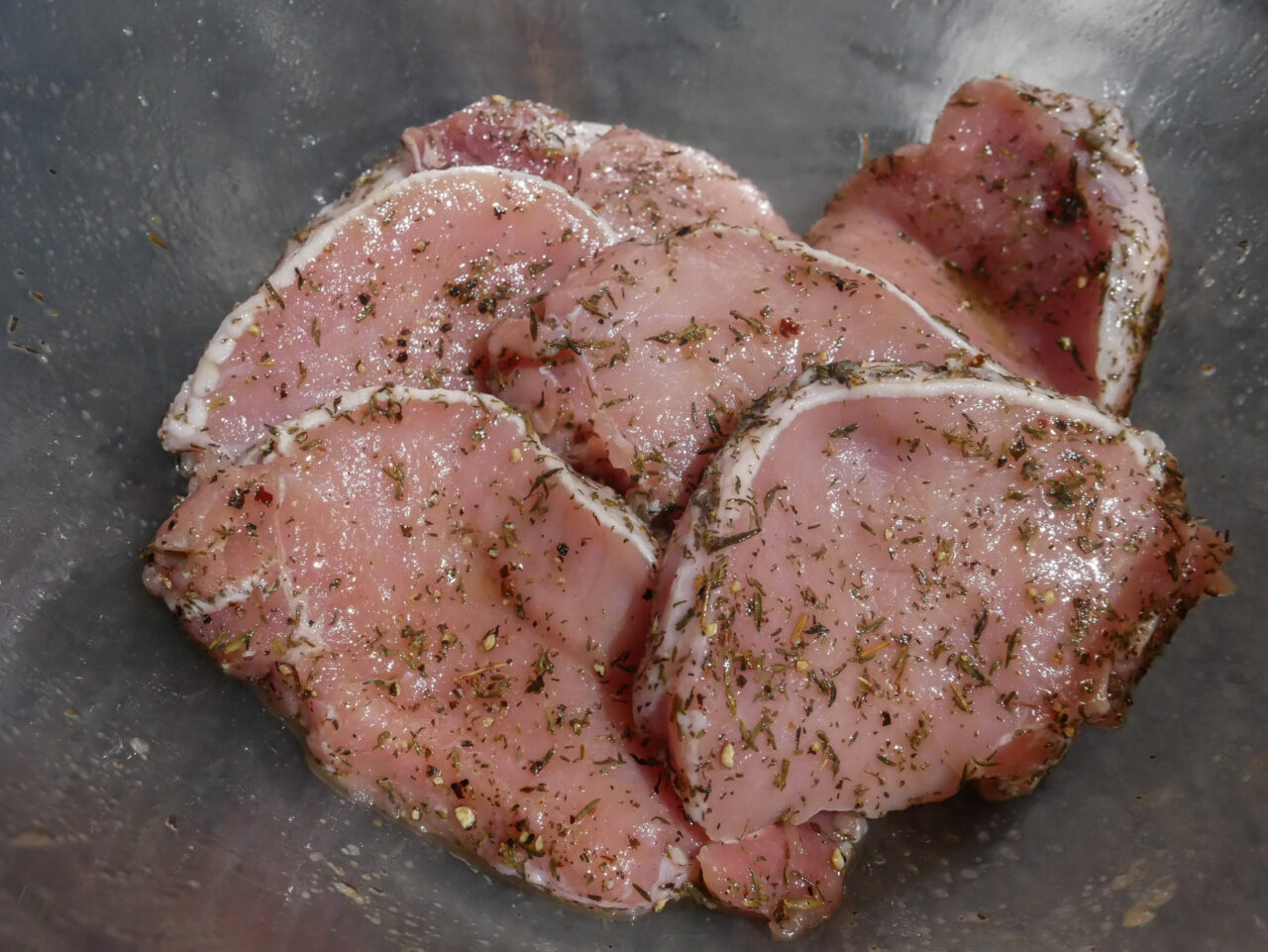
To prepare the porc medallions in coconut rum sauce, begin by tossing the porc medallions with salt, pepper and thyme. Fry the medallions in a little olive oil for around 3-4 minutes per side until golden brown, then remove from the pan and set aside.
In the same pan, melt the butter and sauté the shallots for 3-4 minutes, then remove the pan from the heat (this is important!) and add the rum. Now, it’s time to flambé! This traditional French culinary technique involves igniting the rum (or another flammable spirit) in a pan to burn off the alcohol, creating an enhanced flavour. Take a look at the notes in the recipe widget below for some tips on how to flambé safely.

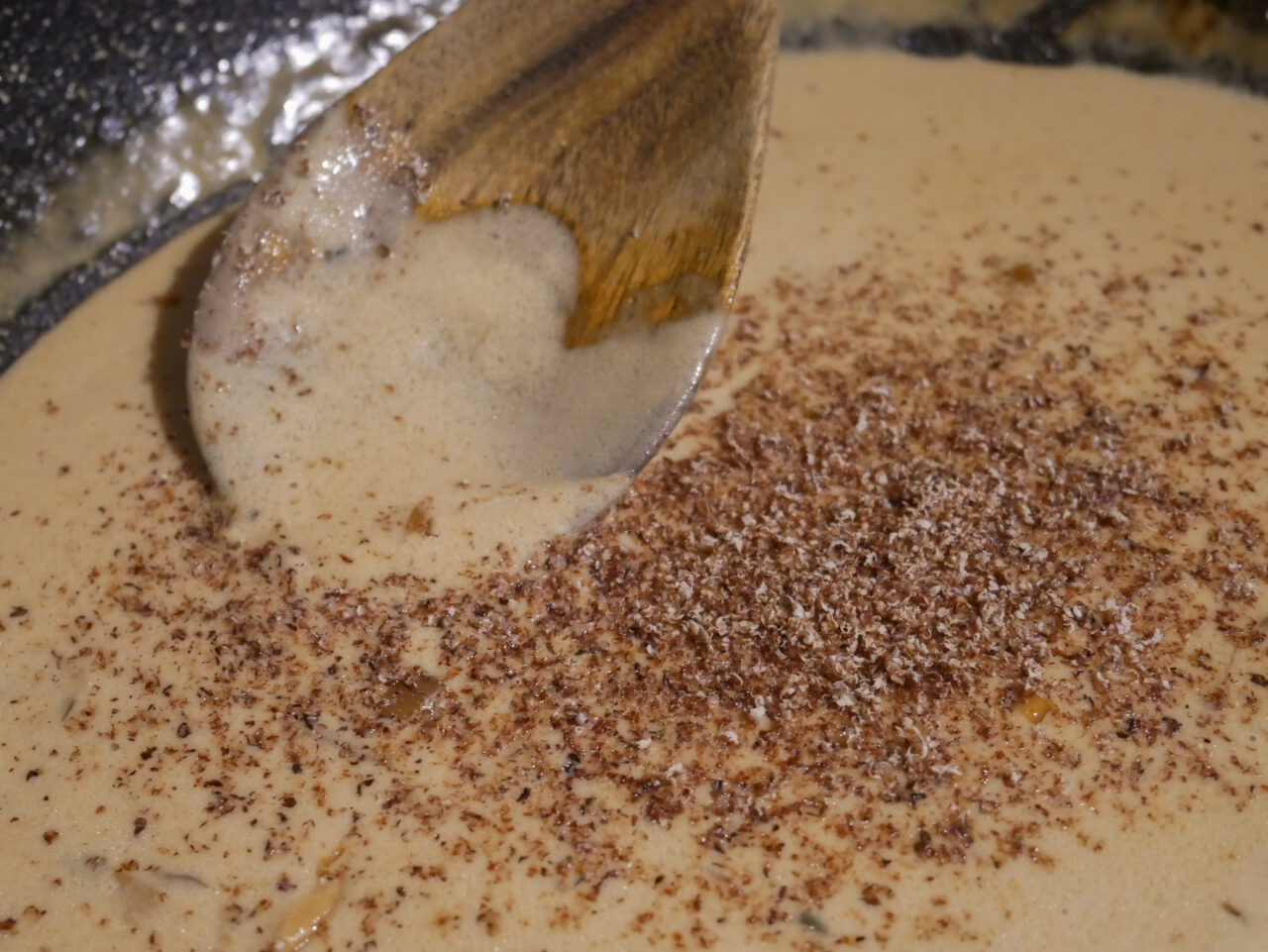
Once the flames have died down, pour in the chicken stock and return the pan to the heat, allowing it to simmer and reduce for several minutes or so. Then, pour in the double cream and coconut milk, along with any resting juices from the medallions. Finish with a sprinkle of grated nutmeg, stirring to combine.
What cut of meat is a porc medallion?
These meaty porc medallions are taken from the tenderloin, right next to the shoulder. They’re effectively mini porc chops, with less fat and more flavour. Can’t find porc medallions? Simply slice a porc tenderloin into slices of around 1.5cm to 2cm thick.
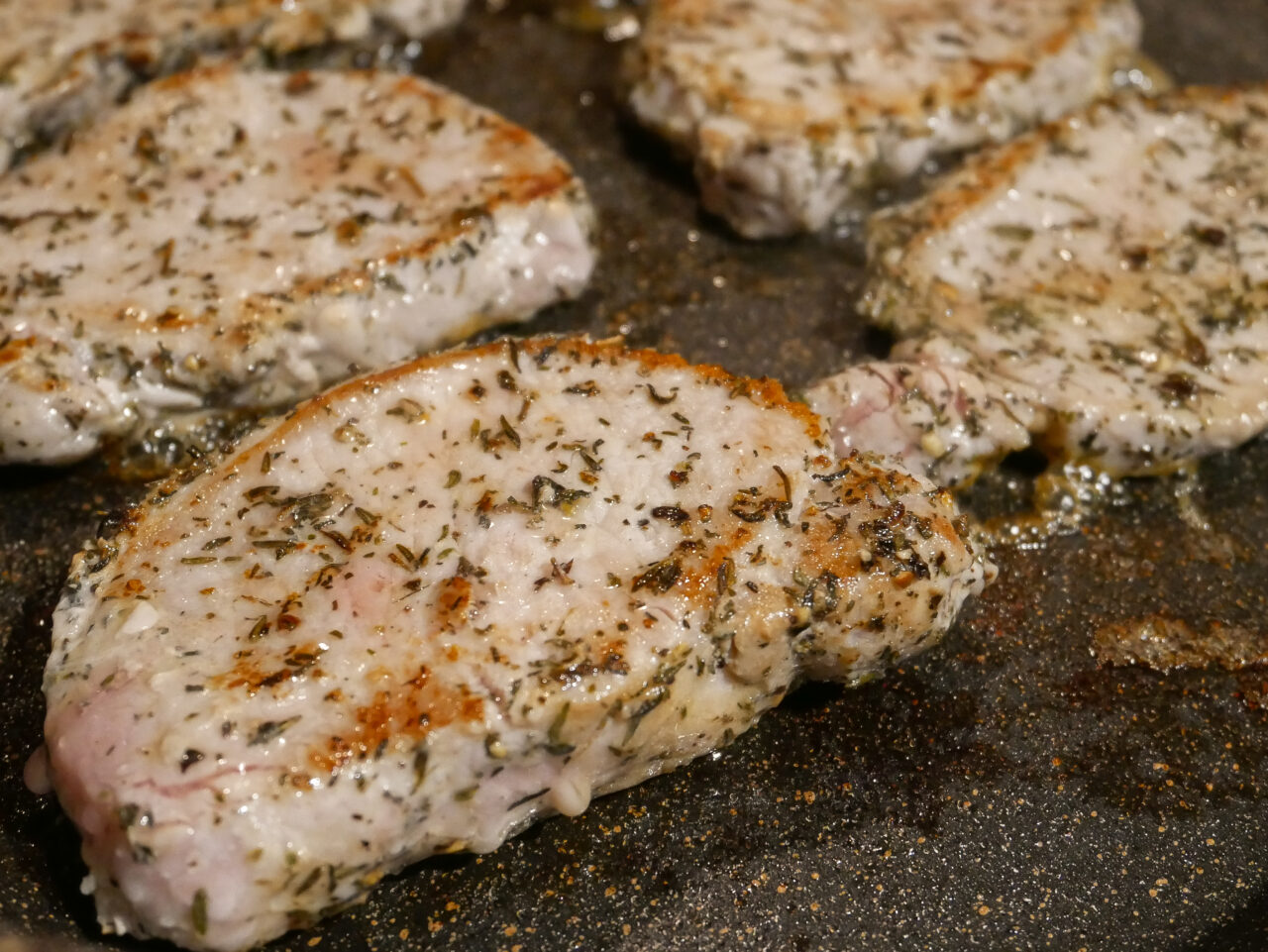
You’ll find over 100 different Welsh porc stockists on the Porc Blasus website, but the meat I’ve used in my porc medallions recipe comes from Hugh Phillips Gower Butcher (whose Welsh Lamb I used in my oak-smoked lamb chops with rosemary and garlic). These really are the leanest, juiciest porc medallions I’ve ever had the pleasure of getting my teeth stuck into!
For the spinach
Spinach takes very little cooking time and so is best left until last. Place around 1 tbsp coconut oil in a frying pan or wok and cook the spinach until just wilted, for around two to three minutes.
Now, it’s time to plate up and tuck in – enjoy!
Porc Medallions with Coconut Rum Sauce
Equipment
- A mandoline (useful for slicing the lotus root, but not essential!)
Ingredients
For the porc medallions in coconut rum sauce
- 600 g porc medallions approx. 8 medallions, size-dependent
- 30 ml dark rum
- 50 ml coconut milk
- 50 ml double cream
- 1 tsp dried thyme
- 50 g shallots peeled and finely diced
- 125 ml chicken stock
- ½ tsp freshly grated nutmeg or ¾ tsp ground nutmeg
- 1 tbsp olive oil
- ¼ tsp salt
- ¼ tsp ground black pepper
For the sweet potato mash
- 1 kg sweet potato peeled and roughly chopped
- 50 ml coconut milk
- 2 garlic cloves minced
- 1 tbsp fresh thyme leaves
- Salt and pepper to taste
For the spinach
- 200 g fresh spinach
- 1 tbsp coconut oil
For the lotus root crisps
- 150 g fresh lotus root optional – frozen or canned will do if you can’t find fresh lotus root
- ¼ tsp chilli powder optional
- Salt and pepper to taste
- Vegetable oil for frying
Instructions
For the lotus root crisps
- Slice the lotus root width ways, as thinly as possible (a mandoline is ideal!) Pat it dry with some kitchen towel to absorb as much moisture as possible.
- Heat the vegetable oil in a large frying pan or wok. The amount of oil you’ll need to use will depend on the size of your pan but it should be deep enough to comfortably cover the lotus root slices. Once the oil is hot, add the lotus root to the pan and fry for 4-6 minutes, until crisp and golden. Remove from the pan and transfer onto some kitchen towel to allow any excess oil to drain off.
- Toss the lotus root crisps with salt, pepper and, if you like, a pinch of chilli powder.
For the sweet potato mash
- Bring a large pan of water to the boil. Boil the sweet potato for 15-20 minutes, until tender.
- Drain the sweet potato and mash it up before stirring in the coconut milk, followed by a pinch of salt and pepper. Continue to mash until thoroughly combined.
For the porc medallions in coconut rum sauce.
- Before you begin cooking the sweet potato, take the porc medallions out of the fridge and allow them to come to room temperature. Coat with olive oil, thyme and salt and pepper.
- Pan-fry the medallions over a medium heat for 3-4 mins per side, until golden brown and cooked throughout. Remove from the pan, transfer to a plate and allow to ret.
- Melt 2 tbsp unsalted butter in the same pan and sauté the finely diced shallots for 1-2 minutes, until softened.
- Remove the pan from the heat. Pour in the rum and flambé to burn off the alcohol. To do this, you’ll need to tilt the frying pan (which should ideally have a long handle) away from you and ignite the pan using a long-handled lighter. See the notes below for some tips on how to flambé safely.
- Pour in 125ml chicken stock, return the pan to the heat and allow to simmer and reduce for 5 minutes. Stir in 50ml double cream and 50ml coconut milk, along with any resting juices from the medallions. You might want to lower the heat before you pour in the double cream, to prevent any curdling.
- Add the grated nutmeg to your sauce and stir to combine. Season to taste, although as the porc was seasoned earlier on, you might not need to add any additional salt or pepper.
- Serve your porc medallions alongside your sweet potato mash and fresh spinach, drizzled with coconut rum sauce and garnished with lotus root crisps (optional, but very tasty!)
For the spinach
- Heat the coconut oil in a non-stick frying pan or wok, until melted.
- Add the fresh spinach to the pan and cook over a medium heat until just wilted, for around 2-3 minutes.
Notes
- It’s best to use whole nutmeg in this dish, as it makes for a more intense flavour. You can find this in most big UK supermarkets and international food stores but if you can’t get hold of any, ground nutmeg works perfectly fine too. Just use a little bit more than you would if you were using freshly grated nutmeg.
- To flambé safely, ensure you remove the pan from the heat beforehand. Tilt the pan away from you and ignite the rum using a long-handled lighter to avoid burning yourself. It’s a good idea to have a large metal pan lid to hand to smother any flames that might get out of control. Ideally, you should use a stainless steel or copper pan with a long handle for this, but I’ve used a non-stick frying pan here.
- If you can’t find porc medallions, simply buy porc tenderloin, trim it and slice it into medallions, aiming for around 1.5cm in width.
- Lotus root can be found in most Asian food stores. It’s often available fresh but if this isn’t the case, aim to get it frozen or, failing that, canned. Of course, you can leave the lotus root crisps out, but they’re extremely tasty and they look great too.
Nutrition

More recipes using Welsh Porc
Looking for inspiration on what else to cook using Welsh Porc?
You can’t go wrong with a traditional Welsh ham cawl. Originally made using bacon or ham, beef and lamb have become more popular nowadays. However, a ham hock or gammon cawl can be just as tasty – for a fraction of the cost.

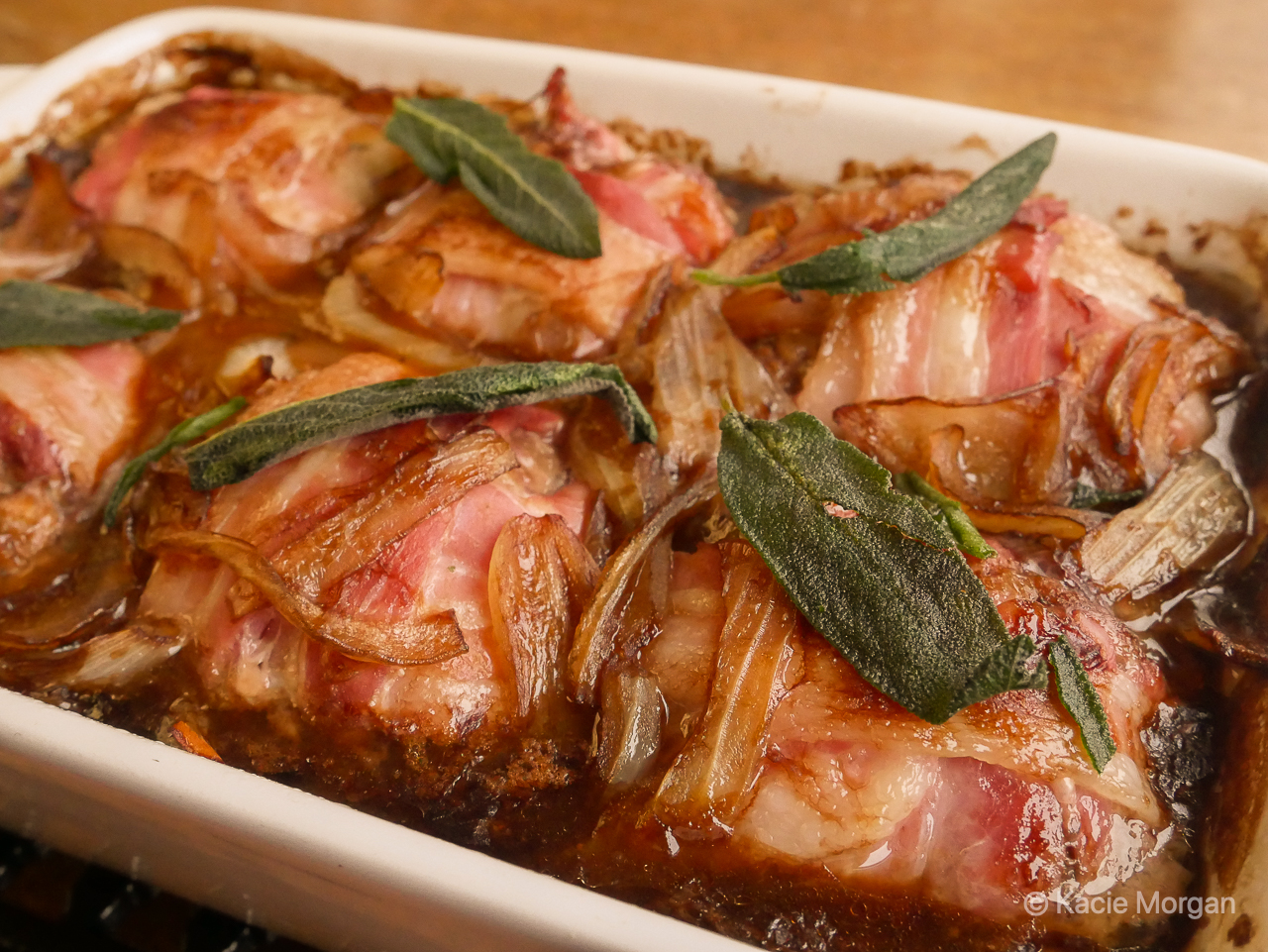
Faggots are also among my favourite Welsh recipes. My recipe for these classic British meatballs is packed with belly porc, porc liver, breadcrumbs, herbs and spices, in a rich sage and onion gravy. Take a look at my Welsh Porc faggot recipe.
Visit the Porc from Wales Week website to explore more mouthwatering porc recipes, find your nearest Welsh porc stockist, hear more about what makes porc so special, compare different cuts of meat and discover the nutritional benefits of porc.
What are your thoughts on porc? How often do you cook with it and what’s your all-time favourite pork dish? Comment below to share your thoughts.


This is a sponsored post.
These pork medallions sound so delicious and I love how you walked us through each step of the recipe. Totally mouth watering!
Lovely to hear you like the look of these porc medallions Deanne! Glad the step-by-step was helpful too.
I love how flavorful this is! It is SO good!
Thanks Toni. It certainly brightened up my day! 😀
The pork medallions look and sound fantastic and that Rum sauce, wow! What a fabulous meal.
Those porc medallions were incredibly good; I must make a point of ordering some more!
This is somethimg new to me. Love the sauce and dish packed with full of flavors. Thanks for sharing.
Thank you, so glad you like the look of it.
This sounds amazing, I always struggle for what to do with pork, and end up doing the same things
Me too! I really enjoyed working on this campaign; it really got me thinking about lots of different ways to eat porc and I have so many new ideas for recipes now.
I love pork but never cooked it with coconut milk or rum so would love to give this recipe a go! it looks absolutely delicious!
I really enjoy eating pork too and locally sourced porc is my favourite of course! It goes so well with the sauce, let me know what you think if you end up trying it out 🙂
I’ve never heard of or had porc before but it sounds tasty and I love the sound of a rum sauce. We don’t actually eat that much pork in our household, but not consciously x
Porc is the Welsh word for pork 🙂 I can definitely taste the difference; it’s so lean and flavoursome.
The thought of that sauce has my mouth watering! It definitely sounds like I need to give this dish a try.
Good to hear it 🙂 That sauce is so moreish; I couldn’t get enough of it@
I never think to serve sweet potato as mash but I love the way you flavoured it.
I love sweet potato mash! Especially with a hint of garlic.
This totally reminds me of some time I spent in the Caribbean. Love it!
Good to hear it Jess! I love the Caribbean.
Oh my that sauce sounds amazing. What a great island-inspired meal. We love this kind of stuff so I am most definitely making this asap!
Thanks Lauren. ‘Island-inspired’ – love that! Thanks for taking the time to leave a comment – hope you love the recipe, let me know how it goes 🙂
Now this looks and sounds absolutely delicious!. I love pork but never cook it as I always make it dry but will definitely give this a go
These medallions were so juicy! Definitely give this a go – you won’t be disappointed! 🙂
This looks so delicious and full of flavor! My hubby is going to love this recipe! I can’t wait to give this a try!
Good to hear it Beth 🙂 Let me know how it goes.
Grenada is one of my most favourite Caribbean Island, can not wait to visit. Not heard of Porc Blasus but can not wait to sample this.
I can’t wait to go back, although who knows when that might be at the moment. If you like pork, you should definitely see if you can get your hands on some locally sourced porc from Wales; I can definitely notice a difference!
There is SO much flavor in this dish it’s hard to even fit in one comment! Absolutely phenomenal, you just have to try it!
Thanks Sherry! Glad you enjoyed it 🙂
This sounds absolutely delicious – I do love pork so this sounds like an amazing way to cook it and I love the Welsh / Carribian twist.
Thanks Sarah 🙂 Glad you like the sound of this. I really enjoyed working on this recipe as I love both Welsh and Caribbean food.
I love pork but never seem to buy it. Love the look of this dish – warm and satisfying in this cold weather.
Me too; I’m going to make a conscious effort to eat more pork (or, should I say, porc!) from now on 🙂
Love the sound of this dish especially the coconut rum sauce!
That sauce is wonderful. I really need to make this again soon.
What a comforting dish full of flavor! I love new pork recipes! Thank you!!
Glad you like the look of these porc faggots 🙂
This recipe looks amazing! I love the mix of Caribbean flavors with Welsh porc. The coconut rum sauce with nutmeg sounds delicious, and the lotus root crisps are such a nice touch. Thanks for sharing this great recipe!
Thank you, glad to hear that you like the look of this. It’s delicious – you’ve reminded me that I must make it again soon 🙂