
The Mediterranean has earned a reputation for incredible food, but many travellers still gravitate towards the same well-known destinations year after year. While famous cities and resorts certainly deserve their popularity, some of the region’s most rewarding culinary experiences can be found in places that attract less attention.
Here, family-run restaurants, local producers and ingredients sourced from nearby farms and fishing boats offer a closer connection to the destination. When food remains deeply tied to everyday life, a memorable meal can also become a window into the flavours, stories and customs that have shaped local communities for generations.
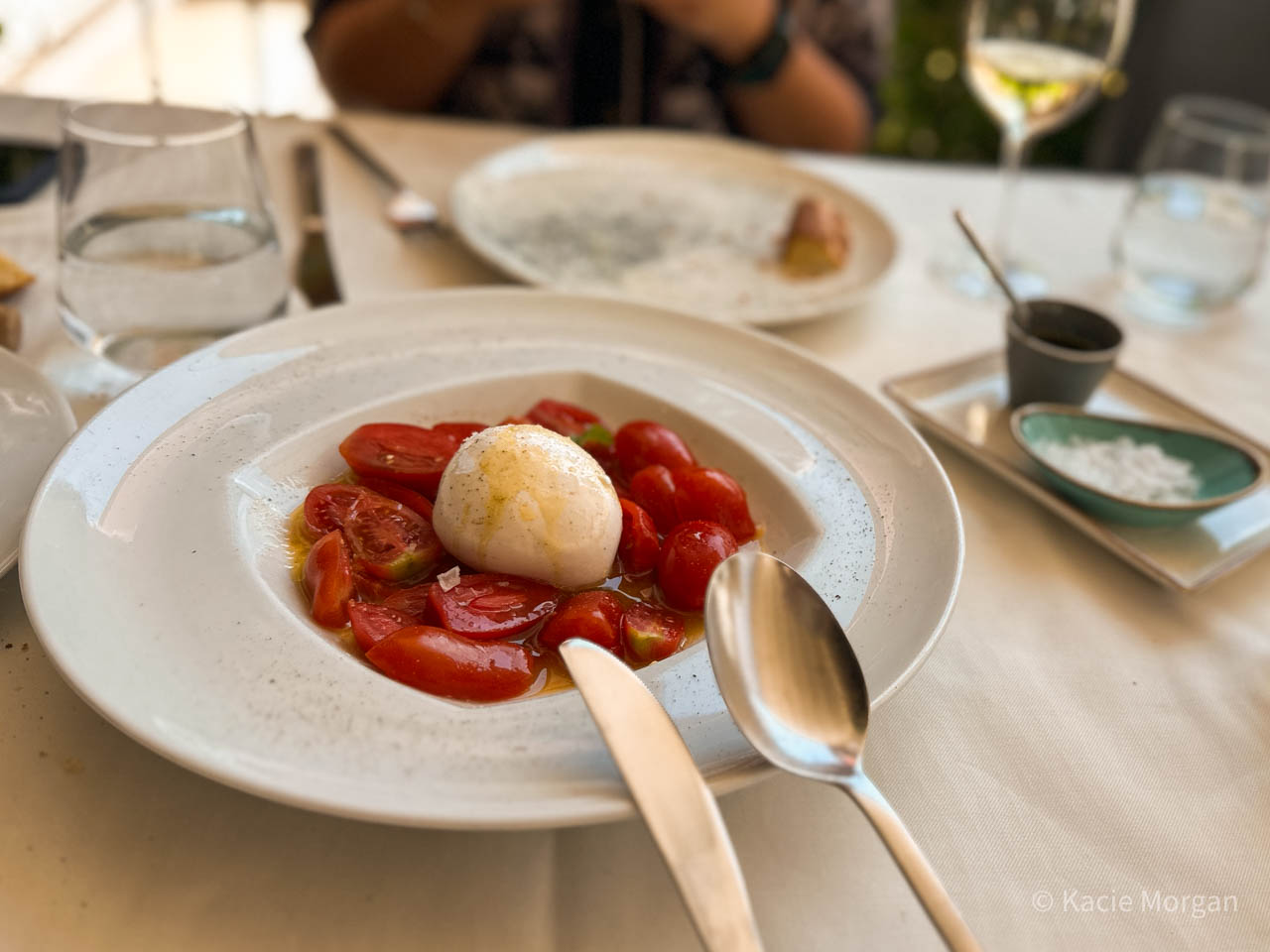
Sierra de Cádiz – Andalusia, Spain
While visitors to Andalusia often make a beeline for Seville, Málaga and Granada, the region’s rural interior offers a quieter way to explore southern Spain’s food and wine culture. In the Sierra de Cádiz, whitewashed villages sit among olive groves, vineyards and rolling countryside, with local produce playing an important role in traditional cooking.
Wine is particularly interesting here. During my stay at Suryalila Retreat Centre near Villamartín, I discovered more about Spanish wine and Andalusia’s lesser-known wine scene, including wines produced from grapes grown in the surrounding area. Alongside local wine, look out for Andalusian olive oil, cheeses, cured meats and seasonal produce.
Exploring inland Cádiz also offers a very different experience to the region’s busy coastal resorts. Take time to visit local markets, independent producers and traditional restaurants, where you can get a better sense of the ingredients and culinary traditions that shape this part of Andalusia.

Lagos – Algarve, Portugal
While Lagos itself is no secret, its food scene can easily be overshadowed by the Algarve’s reputation for golden beaches and dramatic coastline. Look beyond the waterfront tourist spots, though, and you’ll find plenty of reasons to make eating well a central part of your stay.
Local restaurants often favour simple dishes that highlight ingredient quality rather than elaborate preparation. Fresh fish and shellfish feature heavily on local menus, alongside regional favourites like cataplana and piri-piri chicken. I’ve visited Lagos several times over the years, and some of my most memorable meals have involved generous plates of grilled fish, tuna, prawns cooked with garlic and chilli, and traditional Portuguese dishes enjoyed over a glass of local wine.
If you’re planning a visit, have a read through my guide to eating out in Lagos, Algarve for more inspiration on what and where to eat.

Nemea – Peloponnese, Greece
Set among the rolling hills and vineyards of the Peloponnese, Nemea is one of Greece’s most important wine regions, yet it remains relatively under the radar for many international visitors. Wine is at the heart of the experience here, with the native Agiorgitiko grape producing everything from fresh, fruit-forward reds to richer, age-worthy wines.
A visit to one of Nemea’s wineries offers the chance to taste local wines close to where the grapes are grown, often accompanied by regional cheeses, olives and other Peloponnesian produce. Beyond the vineyards, many traditional tavernas continue to prepare recipes that families have passed down through generations, offering an insight into the region’s traditional cuisine. Whether you’re ordering grilled meat and local vegetables or sharing a selection of smaller dishes, seasonality and relatively simple preparation allow the ingredients themselves to take centre stage.
For food and wine lovers, Nemea makes a rewarding addition to a Peloponnese itinerary – particularly if you prefer discovering vineyards, traditional tavernas and family-run producers away from Greece’s busier tourist destinations.

At Papagiannakopoulos Vineyard and Winey in Nemea, holding a glass of white wine up to the sunlight, with the vineyard providing a postcard-perfect backdrop.
Bulgaria’s Black Sea coast
Travellers researching last-minute all-inclusive holidays often make a beeline for Bulgaria. While it might not be the first country that springs to mind when planning a food-focused European break, the Black Sea coast offers plenty for curious travellers to discover. Fresh fish and seafood sit alongside hearty traditional dishes, colourful salads and the distinctive cheeses and yoghurt for which Bulgarian cuisine is known.
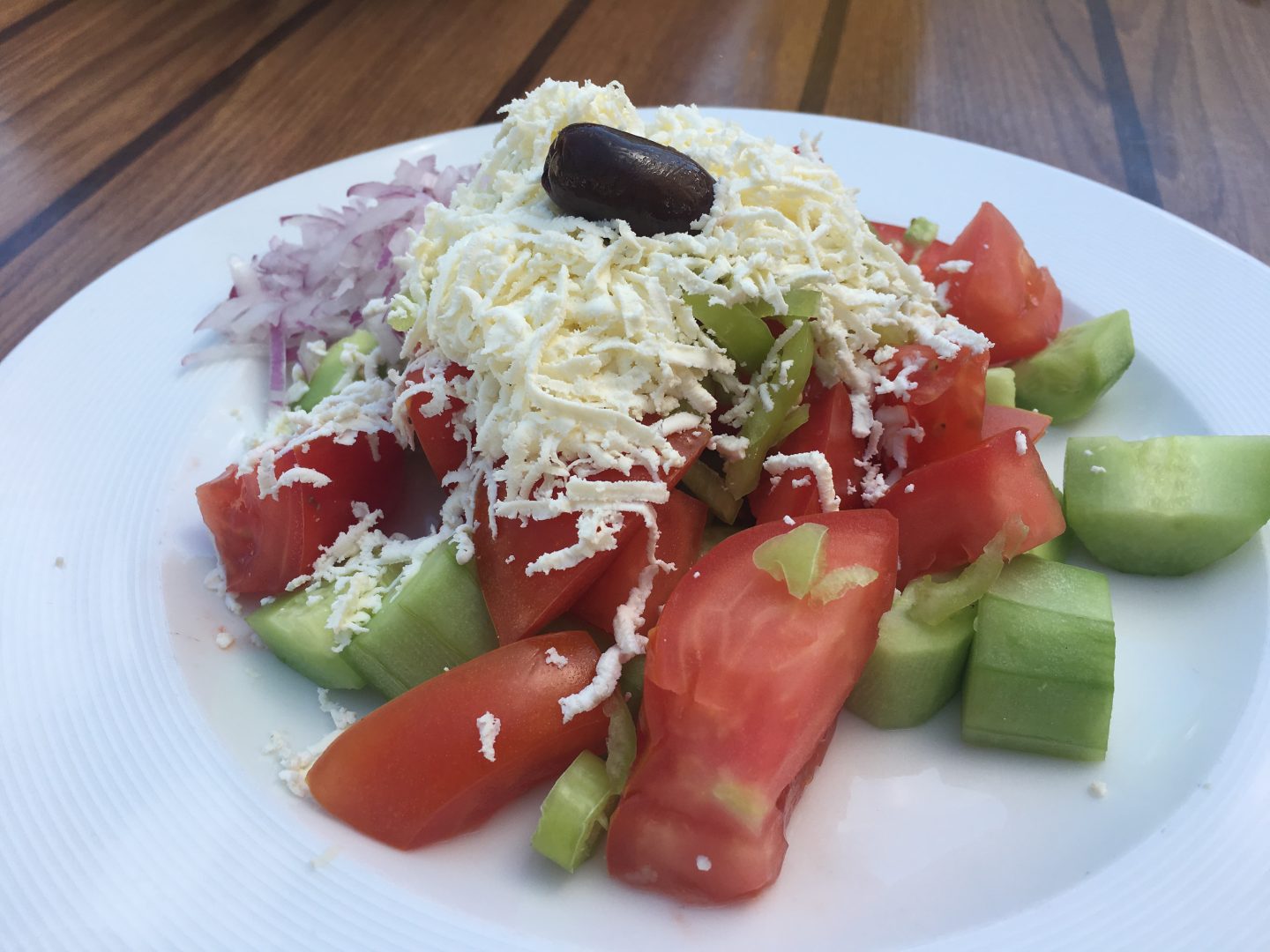
During my own trip to the Black Sea Coast, I stayed in Sunny Beach, where I discovered that there was far more to the local food scene than the resort’s party-loving reputation might suggest. Black Sea mussels cooked with white wine, garlic and parsley were a particular highlight, alongside Shopska salad – a refreshing combination of tomatoes, cucumber, peppers and onion topped generously with grated sirene cheese.
My guide to eating out in Sunny Beach covers some of the restaurants and dishes I tried during my stay, but it’s worth looking beyond the resort too. Nearby Nessebar offers a very different atmosphere, while Bulgaria’s wider Black Sea Coast provides plenty of opportunities to explore the country’s traditional cooking and locally caught seafood.
Paphos, Cyprus
Paphos may be best known for its beaches, archaeological sites and year-round sunshine, but its food scene gives visitors another reason to explore beyond the usual holiday itinerary. Cypriot cooking draws on the flavours of the eastern Mediterranean, with generous meze spreads, grilled meats, fresh seafood and locally grown produce featuring prominently.
Traditional tavernas are a good place to start. Order a meze and you can sample a succession of dishes including dips, salads, grilled halloumi, vegetables and meat or seafood. Look out for Cypriot specialities like souvla, sheftalia and slow-cooked kleftiko, too.
I’ve previously spent time exploring the food scene in Paphos, and venturing beyond the main tourist areas can be particularly rewarding. Head into Paphos Old Town or explore the surrounding villages to discover another side to the destination’s food culture.

Pork crackling with Commandaria sauce and chicken kebabs at Stou Kir Yianni tavern (restaurant) in Omodos, Cyprus
Which Mediterranean destination has surprised you most with its food? Have you visited any of these places, or is there another underrated foodie destination you’d add to the list? Let me know in the comments below.
