
Choosing the right takeaway packaging is about more than simply keeping food contained. Whether you’re running a restaurant, café, food truck or takeaway kitchen, your packaging needs to protect food, prevent leaks and ensure meals reach customers in good condition.
It can also influence how customers perceive your business. From sturdy containers for hot meals to branded boxes and paper bags, there are plenty of options to consider. The best choice will depend on the type of food you serve, how it’s transported and your budget.
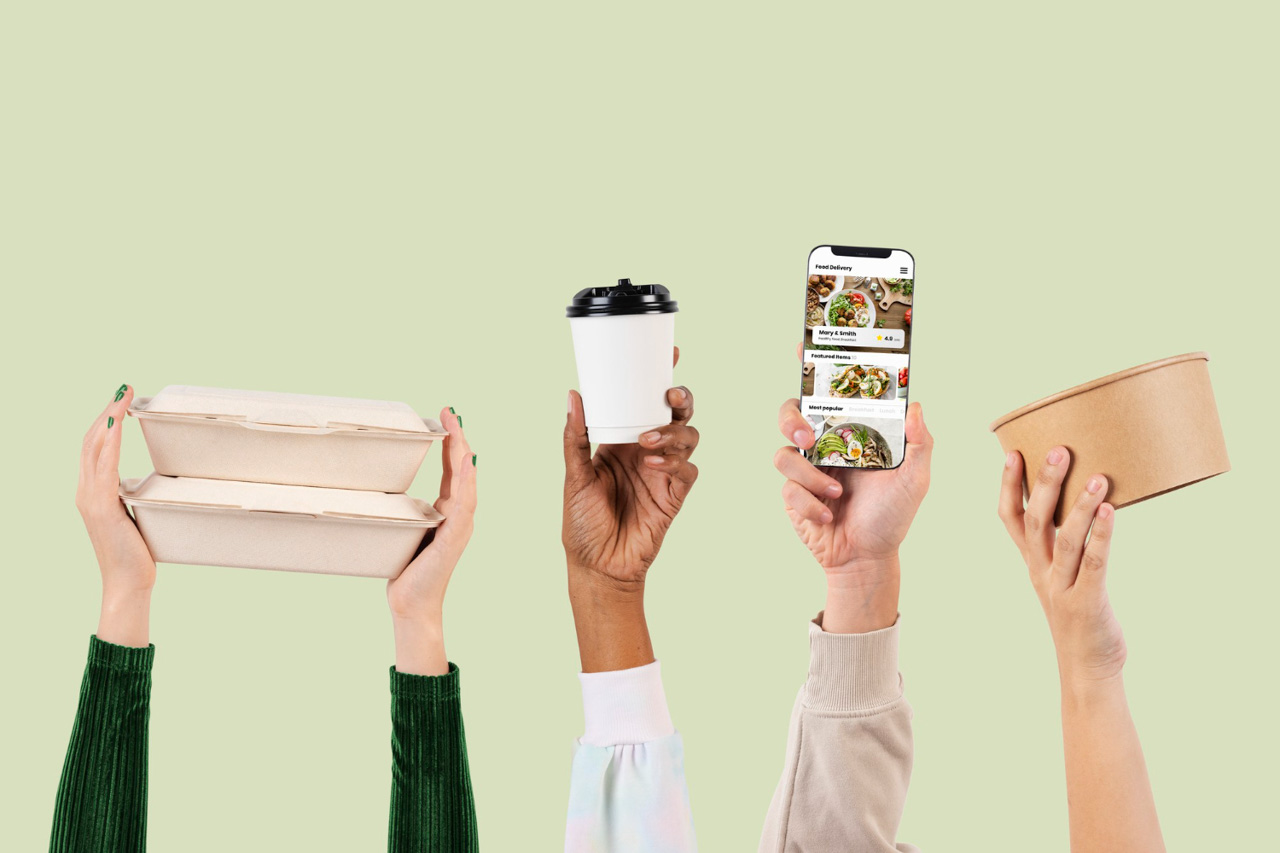
Different types of takeaway food packaging
Takeaway packaging is often the first physical interaction customers have with your brand outside your premises, so it’s worth making a good impression.
Branded food boxes, printed bags, labels and portion containers can help to create a consistent look across takeaway orders, deliveries and catering services. Choosing packaging that fits your menu can also reduce wasted space and make orders quicker to assemble.
For businesses handling a high volume of orders, buying packaging in bulk may offer better value. Custom food boxes wholesale can help maintain consistency across multiple locations, although it’s important to consider storage space and order volumes before committing to large quantities.
Paper food boxes for everyday takeaways
Paper food boxes are a popular choice for burgers, sandwiches, wraps, chips and other takeaway favourites. They’re lightweight, easy to stack and convenient for staff to assemble during busy service periods.
They also offer plenty of opportunities for branding, whether that’s a printed logo, brand colours or a simple promotional message.
However, it’s important to choose the right box for the food you’re serving. Greasy dishes and meals containing sauces may require a grease-resistant lining, while fried foods often benefit from ventilation to allow steam to escape and help prevent sogginess.
Corrugated boxes for safe food delivery
Takeaway orders can go through several stages of handling before reaching the customer, particularly when they’re being delivered by car, bicycle or motorbike.
Corrugated boxes offer additional strength and protection, making them useful for larger orders, family meal deals, catering deliveries and multiple dishes packed together.
Their layered construction helps protect containers from being crushed during transport, while dividers and inserts can prevent individual items from moving around.
If you’re looking for packaging tailored to your menu, suppliers like Custom Boxes Lane offer customised food boxes in different sizes and designs. Before placing an order, it’s worth checking material specifications, food-contact suitability and minimum order quantities to make sure the packaging meets your requirements.
Aluminium containers for hot meals
Aluminium containers are a practical choice for curries, pasta dishes, roasted vegetables, rice dishes and other hot takeaway meals.
They’re sturdy, retain their shape well and come in a variety of sizes, making portion control easier. Secure, well-fitting lids are particularly important for dishes containing sauces or liquids.
Some aluminium containers can also be used in the oven, although you should always check the manufacturer’s instructions. Never put aluminium containers in the microwave unless both the container manufacturer and microwave manufacturer explicitly state that it’s safe to do so.
Kraft packaging for eco-conscious food businesses
Kraft packaging is popular with cafés, bakeries, sandwich shops and other food businesses looking for a simple, understated presentation.
Its natural brown appearance works well with minimalist branding, while printed logos, labels and stickers can help give it a more distinctive look without the need for elaborate designs.
However, kraft packaging isn’t necessarily the most environmentally friendly option in every situation. Some products contain plastic linings or grease-resistant coatings, which can affect whether they’re recyclable or compostable.
Before making environmental claims, check the materials used and whether suitable recycling or disposal facilities are available locally.
Plastic containers for sauces and cold foods
Plastic containers are commonly used for salads, fruit, chilled desserts, dips, dressings and other cold takeaway foods.
Clear containers allow customers to see what’s inside, which can be particularly useful for colourful salads, desserts and prepared meals. Secure lids also help prevent spills and keep food protected during transport.
It’s important to choose containers designed for their intended purpose, particularly when temperature is a factor. Packaging suitable for chilled foods may not withstand hot dishes, so always check before use.
Paper bags for convenient takeaway orders
Paper carrier bags are a convenient option for transporting packaged meals, sandwiches, bakery products and drinks, particularly in cafés and takeaway outlets where orders need to be handed over quickly.
Choose bags that are strong enough to support the weight of their contents, with sturdy handles and a stable base to reduce the risk of tearing or tipping.
For larger orders, reinforced bags can offer additional support. It’s also worth considering how items are arranged inside, keeping drinks upright and separating hot and cold products where necessary.
Food that requires protective packaging should always be placed in a suitable container before being packed into a carrier bag.
Choosing the right packaging for your business
There’s no single packaging solution that works for every food business. A burger restaurant might prioritise grease-resistant boxes with ventilation, while a curry house will need sturdy, leak-resistant containers. Bakeries may place greater emphasis on presentation, while delivery services need packaging that can withstand transport.
Before deciding, consider the types of food you serve, portion sizes, delivery distances, storage space and overall costs. It’s also worth looking at how customers will dispose of the packaging, choosing materials that work with local recycling and waste collection systems wherever possible.
Ultimately, good takeaway packaging should make life easier for your staff while ensuring customers receive their food in the best possible condition.
Do you run a food business? What packaging works best for your takeaway orders? Share your experiences and recommendations in the comments below!