
Italy is about so much more than the Colosseum, the canals of Venice, and pasta. Cities like Genoa, Livorno, and Naples welcome millions of international visitors every year, arriving on both cruise ships and ferries. These coastal hubs are crucial entry points for tourism, and innovations in port logistics are shaping how travellers experience the country from the moment they arrive.
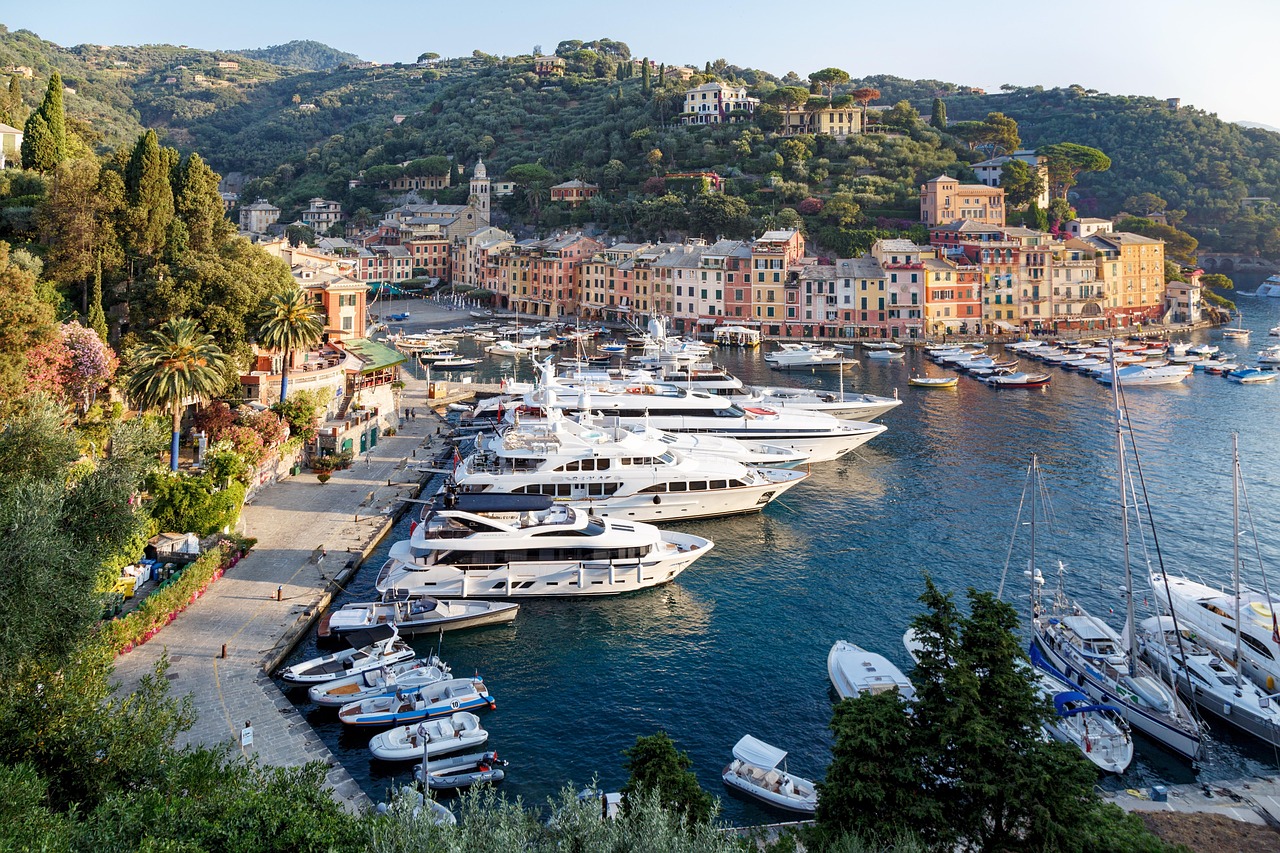
Italy’s ports as tourism gateways
Italy leads Europe in cruise tourism, handling nearly 12 million passengers annually. The Port of Genoa received around 1.2 million visitors in 2023, while Naples welcomed 1.5 million. These numbers underline just how valuable ports are to Italy’s economy, with tourism contributing around 13% of GDP.
Yet coordinating travel between ports, airports, and ground transport can be challenging. For example, the Port of Livorno lies 90 km from Florence, with journeys taking up to two hours by public transport. This is where services such as airport transfers or taxi Italy come in, offering direct, fixed-price car transfers with immediate pick-up at the airport terminal. These options are particularly useful for families or groups needing minivans or minibuses to accommodate both passengers and luggage.
The rise of smart port technologies
Italian ports are increasingly turning to technology to manage tourist flows more efficiently. In Genoa, for instance, Smart Port Management systems track ships, passenger traffic, and ground logistics in real time. This has reduced average terminal wait times from around 30 minutes to just 10–15 minutes.
Key technologies transforming port logistics include:
- IoT tracking: Sensors allow passengers and luggage to be monitored in real time, reducing delays.
- AI in logistics: Predictive tools anticipate surges in arrivals and reroute transfers accordingly.
- Automated check-ins: Biometric terminals speed up registration and boarding processes.
Together, these innovations streamline operations while also improving the visitor experience, making disembarkation smoother and less stressful.
From ports to destinations: seamless travel solutions
Once on land, travellers need quick and reliable ways to reach their destinations. Public transport options like trains and buses can be crowded, especially during the peak summer season from June to August. For example, the train journey from Livorno Port to Florence takes around 1.5 hours with transfers and costs around £8-12..
Private transfers offer a simpler alternative. Tourists can pre-book cars, choose vehicle types, and benefit from fixed pricing with no hidden costs. Local drivers familiar with the area can also take alternative routes to avoid traffic, saving valuable holiday time.
Final thoughts: a connected future for Italy’s tourism
Italy’s ports are more than just arrival points — they are vital parts of the tourism ecosystem. With smart technologies like IoT and AI improving efficiency and better ground transport connections ensuring smooth onward travel, the journey from ship to city is becoming easier than ever. For visitors, this means less stress at the terminal and more time to enjoy everything Italy has to offer.
Have you ever visited any of Italy’s coastal hubs? Share your experience by leaving a comment below.