
We live in a time where the world feels permanently within reach. We can see almost anywhere, communicate instantly across continents, and listen to music from every corner of the globe in seconds. Yet one sense still resists that digital ease – taste.
Food remains one of the most powerful ways we experience place. It’s often what we remember most vividly from a trip, long after the photos have been filed away. Increasingly, that connection isn’t limited to travel itself. Many of us are now engaging with the world through what could be described as kitchen travel – exploring cultures, memories and future destinations through food, without leaving home.
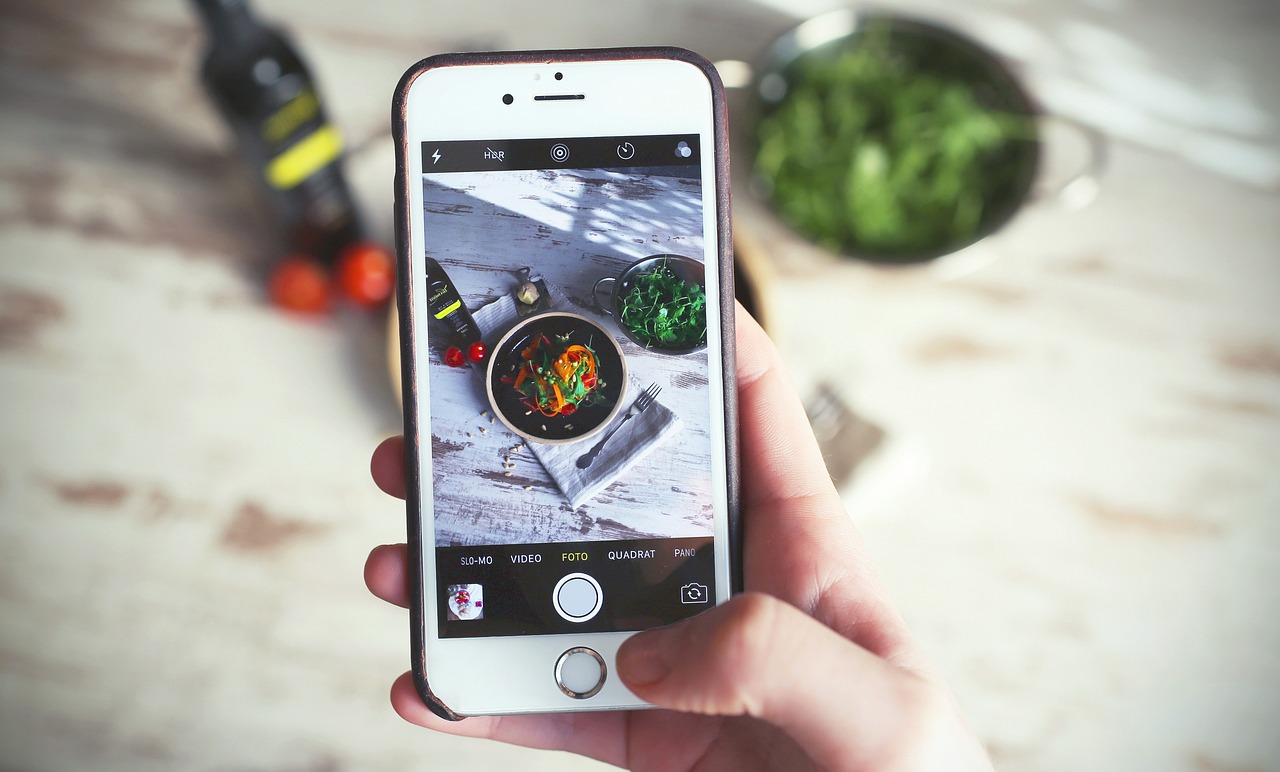
Kitchen travel and the limits of digital experience
While screens allow us to observe other cultures, food allows us to participate in them. Cooking and eating engage multiple senses at once, creating a deeper connection than passive viewing ever can.
Kitchen travel doesn’t claim to replace physical travel. There’s no substitute for eating street food in its proper setting ,or sharing a meal in a local restaurant abroad. What it offers instead is accessibility. When time, cost or logistics make travel difficult, food provides a way to stay curious and connected.
It also fits naturally into everyday life. Unlike a holiday, kitchen travel doesn’t require planning months ahead. It happens on a weeknight, in familiar surroundings, using curiosity as its starting point.
Why food becomes our strongest travel memory
Taste and memory are closely linked. Certain flavours or aromas can transport us back to a place or moment we haven’t thought about for years. A dish doesn’t just remind us of where we were – it prompts us to recall how we felt while we were there.
Often this happens unexpectedly, but it can also be intentional. Recreating meals from past trips allows people to revisit experiences in a tangible way. It becomes a kind of sensory souvenir, one that doesn’t gather dust and can be returned to whenever you like.
Food also holds emotional context. It’s tied to who we were with, where we sat, what time of day it was. That’s why it so often outlasts visual memories.
Recreating places through cooking
Kitchen travel often begins with memory. A dish eaten on holiday becomes a reference point, something worth revisiting or understanding better. Cooking it at home encourages reflection – on ingredients, techniques and the cultural habits that shaped it.
This process doesn’t need to be exact. In fact, it rarely is. What matters is the act of engagement rather than authenticity as a rigid goal. The kitchen becomes a space for interpretation, learning and experimentation rather than replication.
Tasting destinations before you go
Kitchen travel also works in anticipation. Cooking dishes from places you hope to visit can help build familiarity and excitement long before departure.
Trying flavours in advance makes menus less intimidating and helps you understand what you enjoy. It also encourages research, from learning about regional ingredients to understanding how food fits into daily life elsewhere.
This kind of preparation fosters emotional investment. A destination becomes more than a name on a booking confirmation – it starts to feel known.
Learning about food through screens and stories
Food-focused travel doesn’t exist in isolation. Television, streaming platforms, online cookery demonstrations and social media all shape how we understand global cuisines.
Watching others cook, eat and talk about food builds context. Even when the experience is indirect, it can spark curiosity and influence what we try next. These digital touchpoints often act as gateways, nudging people towards cooking something new or seeking it out locally.
For some, that sense of exploration extends beyond food alone. Light entertainment between courses – whether that’s a casual game, a puzzle or a small element of chance-based play online – can become part of how an evening unfolds. Background information about these platforms is easy to find for those who are curious, but for most people it remains a low-stakes way to add a little variety without becoming the focus of the night.
Eating the world without travelling far
Kitchen travel doesn’t always involve cooking. Restaurants, food markets, pop-ups and festivals offer opportunities to explore other cultures closer to home.
These spaces can feel surprisingly immersive, particularly when they prioritise traditional techniques or ingredients. Trying unfamiliar dishes locally often acts as a stepping stone, either inspiring home cooking or planting the seed for future travel.
Approaching these experiences with openness matters. While it’s important to be mindful of allergies or intolerances, curiosity tends to be rewarded.
Making kitchen travel part of everyday life
Kitchen travel doesn’t have to be tied to holidays or long-term plans. For many people, it becomes part of how they unwind, socialise or break routine.
Pairing food with music, books or films from the same culture can turn an ordinary evening into something more intentional. Sharing these experiences with others – through cooking together or hosting informal meals – adds a social dimension that mirrors travel itself.
What matters most is approach. Kitchen travel works best when it’s driven by curiosity rather than checklists, and by interest rather than obligation.
Travel, one bite at a time
When physical travel isn’t possible, kitchen travel offers a meaningful alternative. It allows people to explore cultures, revisit travel memories and build anticipation for future trips, all through food.
In a world where so much experience is filtered through screens, cooking and eating remain grounding, sensory and human. Sometimes, the journey doesn’t begin at an airport, but at the stove.
Have you ever cooked a dish that instantly took you back to a place, or made you curious about somewhere new? Share how food has shaped your own travel memories.