
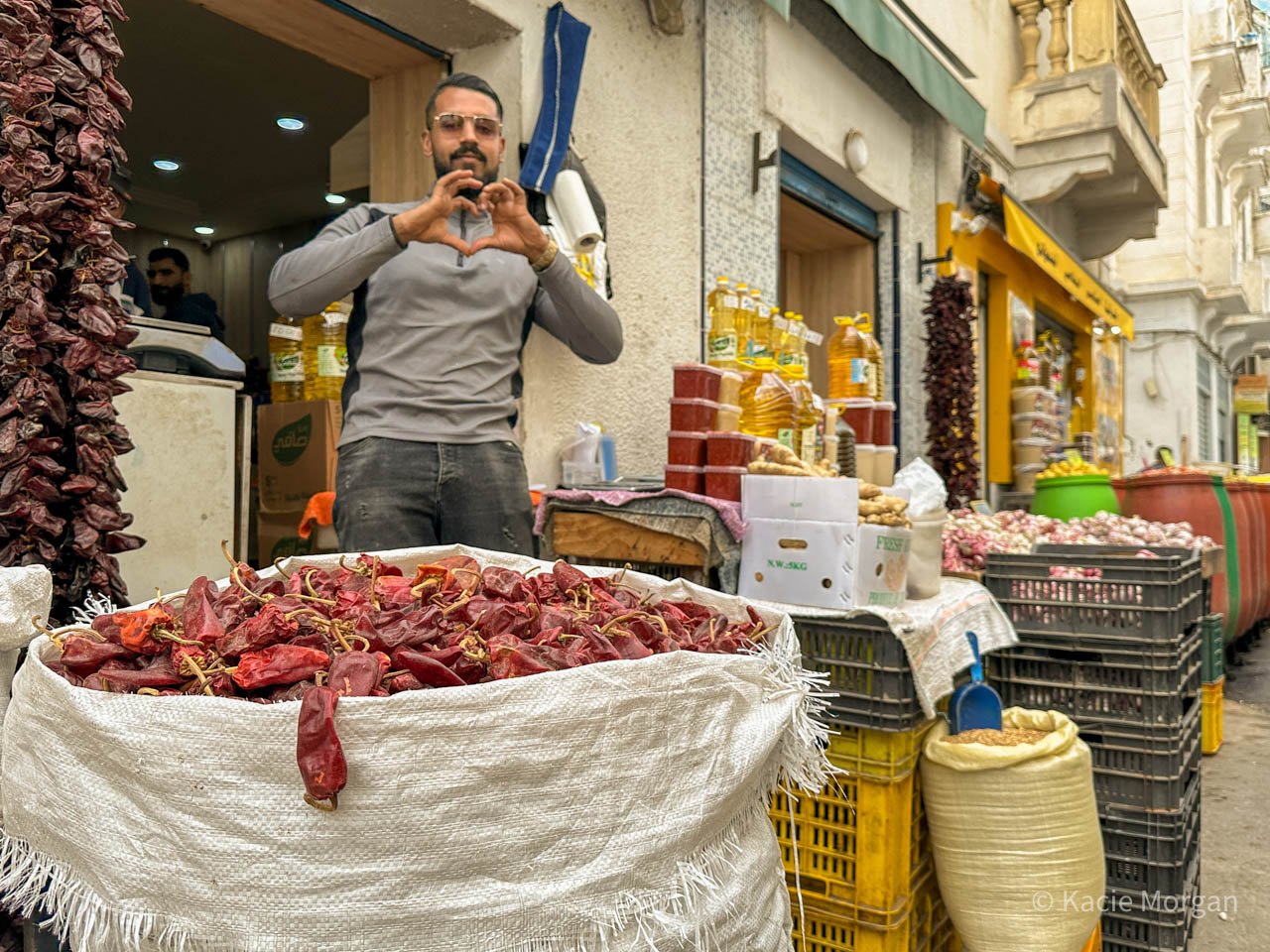
You spend a morning at a market in Tunis, browsing spice stalls in Grenada, or visiting a small producer in rural Greece. You come home with something extraordinary – a jar of fiery harissa, fragrant Grenadian nutmeg, or a bundle of dried Greek oregano.
Six weeks later, it barely tastes like the ingredient you remember bringing home.
Almost always for the same reasons. Here’s how to stop that happening.
Why artisan ingredients degrade faster than you think
What makes a market spice worth buying is often its volatile oils – the resinous warmth of a Tunisian dried chilli, the distinctive aroma of Grenadian nutmeg, or the earthy fragrance of dried Greek oregano, for example.
Those oils are fragile, and four things quietly destroy them.
- Oxygen oxidises essential oils and gradually flattens their aroma and flavour. Much of what we think of as spices “going stale” is the result of prolonged exposure to air.
- Light breaks down the compounds responsible for flavour and colour. Saffron threads left on a sunny windowsill, for example, will gradually lose their potency.
- Moisture can cause serious damage. Dried ingredients absorb humidity from kitchen air, causing them to soften and clump and, in some cases, encouraging mould growth.
- Heat speeds up deterioration, which is why ingredients stored beside the hob or oven often lose their quality more quickly.
Understanding these four factors makes every other storage decision much easier – although I’m now questioning the wisdom of keeping my ever-growing spice collection right next to the stove. Excuse me while I go and relocate half my kitchen…
Get things out of market packaging quickly
Paper bags, twist ties and thin cellophane are designed to get an ingredient safely from the stall to your bag, rather than protect it for months.
Much artisan market packaging isn’t completely airtight, allowing air and moisture to reach the contents. Move anything you want to keep for more than a few days into a suitable container once you get home.
This matters most for anything ground or crushed. Whole spices have a natural structure that helps slow degradation, while ground spices have far more surface area exposed to air and tend to lose their flavour more quickly.
Match the container to what you’re storing
Not every container does the same job.
For everyday use, dark glass jars with good seals work well for ingredients you cook with regularly. They’re easy to label, help protect the contents from light and, provided they seal properly, reduce exposure to air and moisture.
For anything rare or bought in quantity, you may want something you can seal more securely for longer-term storage. Every time you open a jar, its contents are exposed to fresh air, which can gradually affect ingredients you’re rationing over several months.
Roylo Globe Mylar Bags provide a barrier against oxygen, light and moisture. Fill the pouch, press out as much excess air as possible and seal it according to the manufacturer’s instructions. This can be particularly useful for ingredients like dried spices, grains and other dry goods that you want to store for longer periods.
There’s no need to choose one or the other. Keep frequently used spices in good-quality glass jars, and consider sealing larger quantities or more precious ingredients separately until you’re ready to use them.
Where you store things matters as much as how
Kitchens aren’t always the ideal environment for storing delicate ingredients, despite being the obvious place to keep them.
Cooking regularly generates heat and steam. The cupboard above the hob can become particularly warm, while storage near the kettle, toaster, oven or dishwasher may also be exposed to fluctuations in temperature and humidity.
Aim for somewhere cool, dark and dry, away from direct sunlight and sources of heat.
An interior cupboard in a cooler part of the house can work well. Failing that, choose a dark kitchen cupboard away from the hob, oven, toaster and kettle.
If you refrigerate particularly delicate ingredients, make sure the container is genuinely airtight. Refrigerators can be humid environments, and condensation can introduce moisture when cold containers are opened.
Ingredient by ingredient
Different ingredients need slightly different treatment. Here’s the short version.
Whole spices generally retain their flavour for longer than ground versions, so where practical, buy them whole and grind them as you cook. Once ground, their flavour and aroma begin to fade much more quickly.
Dried mushrooms should feel completely dry and crisp rather than soft or pliable before you put them away. If they’ve picked up any moisture, allow them to dry thoroughly before transferring them to long-term storage.
Heritage grains and wholegrain flours contain natural oils that can eventually turn rancid. If you’ve brought home something special from a small mill or producer, consider dividing a larger quantity into smaller portions so you’re not repeatedly exposing the entire batch to air every time you use it.
Smoked and flavoured salts will keep, but the flavours that make them interesting can gradually fade. Rather than saving that special smoked salt indefinitely for the “right” occasion, use and enjoy it while those distinctive aromas are still at their best.
Label everything properly
A collection of unlabelled jars becomes surprisingly confusing within a month.
Write down the ingredient, where it came from and the date you decanted or bought it. Not just “cumin”, but “cumin, whole, Tunisian market, October”. Six months later, that extra detail makes the ingredient – and the memory attached to it – far more meaningful.
Use older stock first, too. If you’ve bought the same spice on two different trips, finish the first batch before opening the newer one. Simple rotation is usually all you need.
Make those food travel memories last longer
The food travel experience doesn’t have to end at the airport. The Grenadian nutmeg, the Tunisian harissa, the dried herbs from Greece – stored properly, they can continue bringing a little of that destination into your kitchen long after you’ve unpacked your suitcase.
With the right container, a cool, dark storage spot and a label to remind you exactly where everything came from, those special ingredients stand a much better chance of tasting as good as you remember them.
After all, that’s the whole point of bringing them home.
What’s the best food ingredient you’ve ever brought home from your travels – and did it last as long as you hoped?