
The wellness sector is constantly evolving, and it’s easy to feel lost amongst the breadth of claims and flashy packaging that now dominate the industry. Despite this, choosing the right products to suit your health goals and lifestyle in 2026 doesn’t have to be confusing. With a bit of research, it’s entirely possible to build a simple routine that genuinely supports your wellbeing – and better still, much of that groundwork has already been done for you.
The key is ignoring trends and focusing on what actually fits your lifestyle, health needs and budget. So, if you’re looking to make smarter purchases in 2026, here’s a closer look at what’s worth investing in – and what can be skipped.
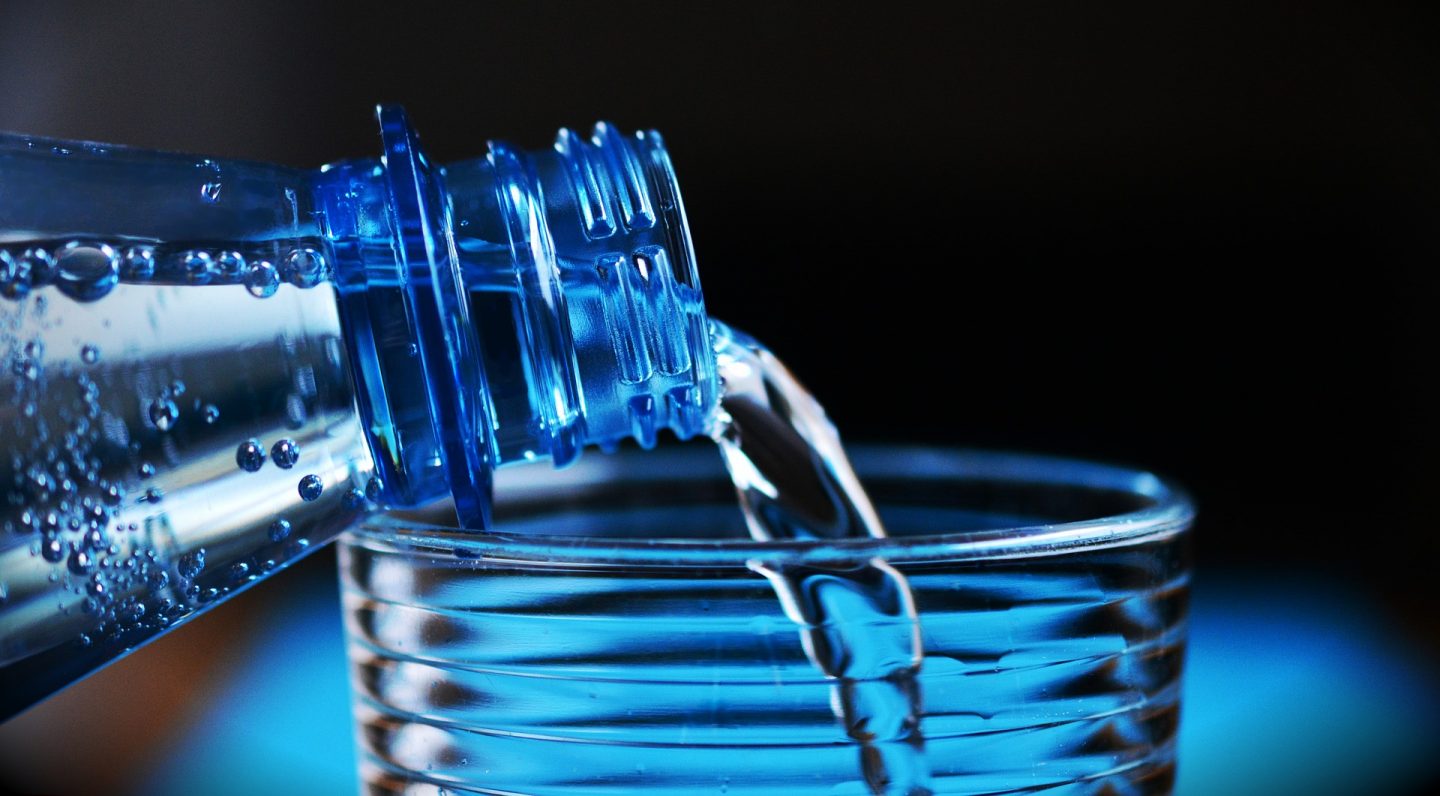
Premium hydration choices
Hydration remains one of the simplest ways to support overall health and wellbeing, and high-end consumers often prioritise water quality above all else. This includes luxury bottled water, mineral-rich brands and filtration systems designed to improve taste and purity. While some may view these choices as indulgent, many see them as a worthwhile part of a daily routine.
The appeal is partly about flavour and partly about consistency. People who travel frequently or work long hours value having reliable hydration on hand. Some opt for glass bottles for environmental reasons, while others prefer reusable bottles paired with premium water. The focus isn’t always on branding, although for some, brand association still plays a role – quality and convenience tend to matter most. Hydration has become an easy lifestyle marker that fits neatly into even the busiest schedules.
Home wellness technology
High-end shoppers continue to invest in wellbeing technology that supports health at home, from aromatherapy air purifiers and massage devices to posture trackers and light therapy lamps. While many of these products aren’t new, the technology behind them is steadily improving and is expected to continue doing so into 2026.
Consumers are drawn to devices that smooth out daily routines without feeling clinical or overly complex. Many now prefer working on their health privately rather than relying on frequent appointments that disrupt their week. Home wellness technology also suits hybrid lifestyles, where work and personal routines overlap. Quiet operation, durability and ease of use are often prioritised over novelty.
High-quality supplements and functional foods
In 2026, the supplement market is likely to keep growing, with over two-thirds of people in the UK consuming them. High-end consumers, however, tend to favour brands with transparent sourcing and science-backed formulations. Rather than large stacks of pills and powders, they prefer fewer products with clearer, more targeted benefits.
Functional foods such as fortified snacks, nutrient-rich drinks and clean-ingredient meal replacements also remain popular. Convenience plays a major role here. People with demanding schedules look for nutrition that fits seamlessly into their day without compromising on quality. Packaging and sustainability are also increasingly important, with consistency often valued more than experimentation.
Minimalist fitness gear built to last
High-end shoppers generally avoid excess clutter. Instead of buying multiple pieces of fitness equipment, they tend to invest in a small number of well-made items designed to last for years. Adjustable dumbbells, durable mats, resistance bands and compact home workout machines with strong build quality are all popular choices.
There’s a clear shift away from flashy gadgets towards reliable tools that support steady, sustainable exercise habits. Brands known for engineering and durability are favoured over hype, while practical storage and quiet operation matter, particularly for those living in flats or shared spaces. Quality gear helps make regular exercise feel achievable without turning the home into a full-scale gym.
Experiences that support a balanced lifestyle
Experiences remain a popular choice for those with higher budgets. This includes luxury wellness retreats, guided walking breaks, nutrition workshops and short trips focused on rest rather than activity. Many people now seek weekends that allow them to switch off without pressure or rigid schedules.
These experiences tend to offer a reset rather than a transformation. They often centre on simple routines – good food, time outdoors, gentle movement and moments of quiet. In 2026, high-end consumers are less interested in extremes and more focused on building luxurious yet sustainable habits that support long-term balance.
What health or wellness purchases have genuinely made a difference to your routine? Share your thoughts in the comments – whether it’s something you’d buy again or something you’d skip next time.