
Culinary travel is one of life’s great pleasures – whether you’re sampling street food at Newport Market in south Wales, visiting vineyards in Nemea, or indulging in extra virgin Greek olive oil and world-famous Corinthian raisins in Greece. But while the meals and memories stay with you, so can the after-effects: fatigue, digestive upset, and dreaded jet lag.
After a full-on foodie trip, your body often needs more than just a day or two to bounce back – especially if you’ve been travelling across time zones or tasting rich foods non-stop.
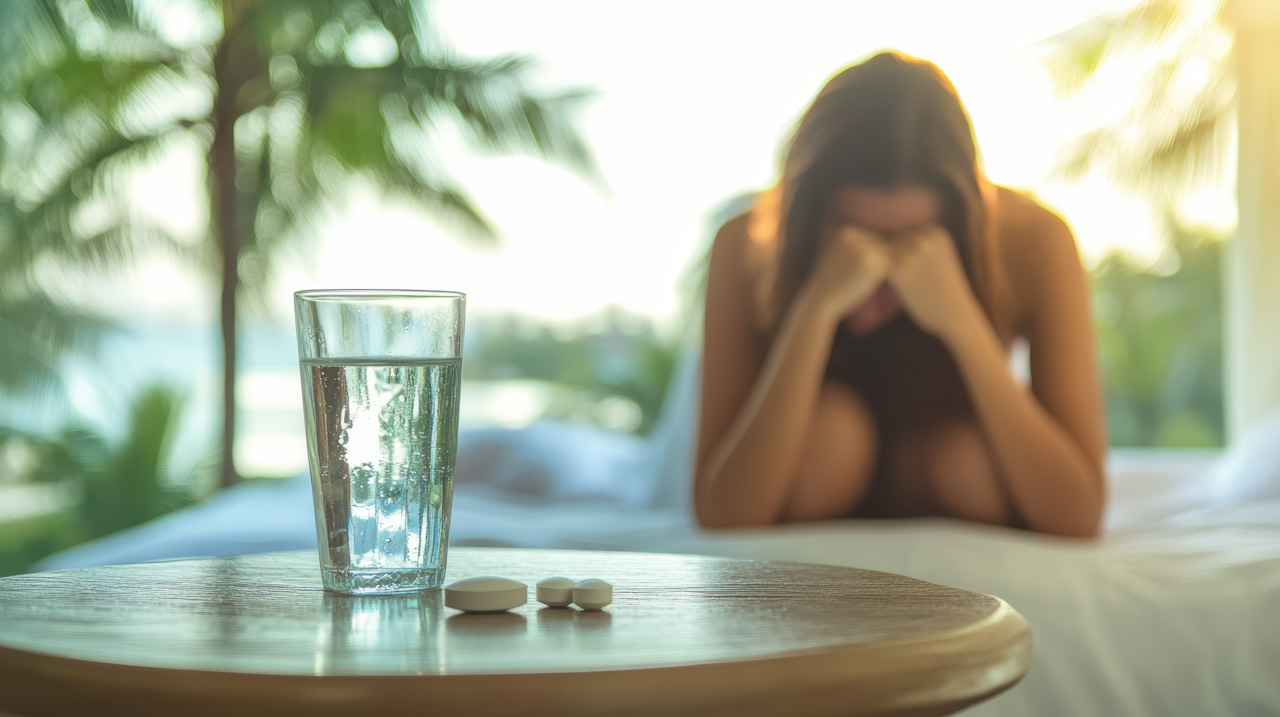
Why food travel can take its toll
Eating adventurously is a big part of the travel experience for many of us nowadays. However, it can also put our digestive systems under a lot of pressure. After all, we’ll likely be eating more food than usual, choosing more indulgent options, and eating at different times of day – with unfamiliar ingredients, and richer textures. While it might be fun at the time, it can leave you feeling off-kilter afterwards.
I once developed gastritis after a heavy travel week packed with tasting events and judging rich foods. It wasn’t from anything dodgy – just too much, too quickly. Add to that the dehydration and routine disruption that often go hand-in-hand with travel, and it’s easy to see why your body feels worn out.
The role of rest in recovering from jet lag
If you’ve been hopping time zones, jet lag can hit hard. It doesn’t just affect your sleep – it can disrupt appetite, digestion, mood and focus. Here are a few tips that might help:
- Try to adjust your schedule slightly before you fly – shifting meals and bedtimes in the direction of your destination, for example.
- Stay hydrated, and avoid too much caffeine or alcohol on travel days.
- Get natural daylight as soon as you can after landing – it can help to reset your body clock.
- Avoid screens before bed when you’re trying to get back into a sleeping routine.
Even with all of that, however, recovery can still take time – which is why your home sleep environment at home matters.
How to create a sleep space that helps you recover
After a big trip – especially one built around food – comfort at home becomes essential. A few small tweaks to your bedroom setup can make the return feel less jarring – and help your body recalibrate.
- Keep the temperature steady – After switching climates, your body might still feel a bit out of sync. Opt for bedding that offers temperature regulation, so you’re not waking in the night feeling too hot or cold.
- Choose materials that are kind to your skin – Travel exposes you to all sorts of environmental stressors, from sun to pollution. Natural, hypoallergenic fabrics can help to reduce irritation and support better sleep.
- Prioritise softness – After days of walking, flying, or sleeping in unfamiliar places, getting into smooth, breathable sheets can make a real difference to how well you wind down.
- Look for breathability – If you’ve been feeling sluggish, bloated, or just out of sorts, moisture-wicking bedding can help you stay comfortable as your body settles back into its normal rhythm.
I treated myself to some new luxury bamboo bedding from UK-based family-run brand, Lost Loom a few months ago, and I’ve been sleeping much more comfortably ever since. It’s soft, breathable, naturally hypoallergenic, and helps to maintain a comfortable sleeping temperature.
Rest is part of the journey
Returning home from a trip doesn’t mean the journey’s over – your body still needs a chance to reset. Giving yourself time to rest properly, in a space that helps you feel grounded, is one of the best ways to carry the energy of a trip forward. Once you’re well-rested, you’ll be able to fully enjoy looking back on all the memorable meals you ate, and all the different places you visited – and make a start on planning the next trip!
How do you like to recover after a foodie trip away? Share your tips by leaving a comment below.