
Race days in Wales rarely begin at the gates. They start earlier, often on the road, shaped by the journey itself. The distances may look modest on a map, but the reality is slower – winding roads, market towns that demand patience, and stops made almost without thinking. By the time the racecourse comes into view, the day already has its rhythm.
That feels deliberate rather than incidental. Welsh race meetings sit comfortably within everyday life. They slot into weekends already shaped by family visits, errands, walks, and meals. The racing is an anchor point, not the whole structure. What happens before and after often carries as much weight as what happens on the track.
Food plays a quiet but decisive role. Not the champagne flutes or pies sold inside the course, but the meals taken beforehand. A breakfast eaten later than intended in a familiar town. A coffee stop that turns into something more because the counter looks too good to ignore. An unplanned pause that becomes routine. These moments set the tone long before the first horse appears.
By the time conversation turns briefly to odds on horse racing it usually lands as background context, rather than instruction. The day has already been shaped by where you stopped and what you ate.
Starting with the right kind of breakfast
Most Welsh race days begin early enough to force a decision about breakfast. Skip it and the day feels brittle. Overdo it and you carry the weight through the afternoon.
For those heading towards Chepstow, stops like Coffee #1 in Monmouth or the long-established cafés around Agincourt Square in Abergavenny often set things up properly. Eggs cooked plainly. Toast that does its job. Tea strong enough to wake you, without pushing the pace.
These places aren’t chosen for novelty. They’re chosen because they’re reliable. They’ve served market mornings, football Saturdays, and school-run pauses long before they ever catered to racegoers. You leave steadier than you arrived, which is the point.

The mid-journey stop that matters
There is often a second stop, whether acknowledged or not. A bakery you’ve driven past too many times to ignore – maybe a pasty from Tŷ Melin Bakery or a sandwich from O’Connell’s Bakery in Abergavenny that feels like a proper mid-morning moment. Raglan Services, with a surprisingly good counter selection. Or Usk Bakers, where pastry and conversation seem to slow the clock down.
People linger longer than planned. Conversations drift. Any urgency suggested by the timetable doesn’t survive contact with good food eaten standing up. The day stretches gently rather than tightening.
Eating as a form of pacing
Food on the way to the races isn’t about indulgence. It’s about pacing. Eating properly early makes the rest of the day easier to move through, without forcing anything.
Those who rush the morning tend to rush the afternoon. Those who eat well tend to wait better. It sounds like folklore, but it holds up often enough to feel true.
Welsh race meetings reward this approach. The intervals between races are generous. There’s time to talk, to watch, to walk. Hunger distracts from all of that. A well-timed meal keeps attention where it belongs.
Familiar stops over new discoveries
Unlike destination dining, race day food in Wales values familiarity over novelty. This isn’t the moment to experiment. People return to the same places year after year, sometimes without articulating why.
For those travelling west towards Ffos Las Racecourse, stops around St Clears or cafés just off the A40 become fixtures. For regulars heading north, bakeries in market towns like Crickhowell or Hay-on-Wye play the same role.
There’s comfort in knowing what will be served. Comfort in recognising the room. Comfort in being greeted without ceremony. On a day already shaped by anticipation, those things matter.
Lunch after arrival comes too late
Food inside the racecourse has its place, but it rarely replaces what came before. Lunch eaten after arrival tends to feel reactive – a response to hunger, rather than part of the day’s structure.
Those who eat well beforehand approach the afternoon differently. They’re less restless. They settle into conversation. They’re less inclined to treat each race as a moment of decision.
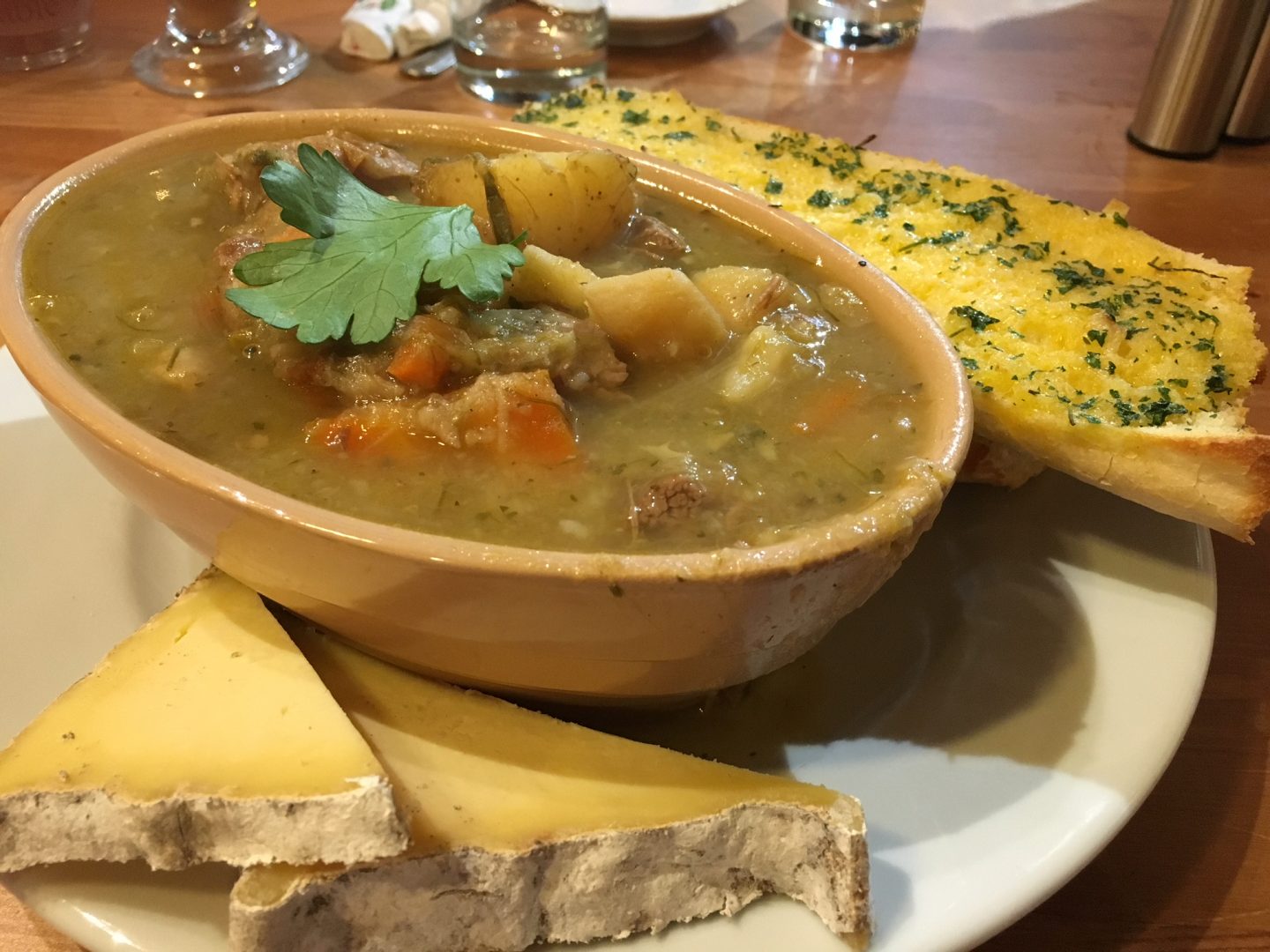
How this shapes the memory of the day
Ask people about memorable race days in Wales and they rarely start with the winning horse. They mention the drive along the Wye Valley. The café that was busier than usual. The bakery that sold out earlier than expected.
Food does that. It turns events into days rather than moments. It gives shape to time that might otherwise blur.
In that sense, what you eat on the way matters more than what happens at the finish line.
Leaving the track without feeling rushed
Those who’ve eaten well tend to leave the racecourse differently too. Less abruptly. More open to stopping again. A final cup of tea back in town. A small plate somewhere familiar in Chepstow, Monmouth, or wherever the road leads next. Perhaps even a pint for the road!
In Wales, a race day is rarely just a race day. It’s a sequence of ordinary, well-chosen stops that happen to include horses. The result matters, but the journey decides how the day is lived.
Where do you usually stop on the way to the races? Whether it’s a reliable café, a bakery you never skip, or a last-minute detour that’s become tradition, it’s often those stops that define the day.