
When people remember a great hotel stay, they tend to talk about the obvious things first – the rooftop pool, the spectacular breakfast, the cloud-like bed or the bathroom with a skyline view. Often however, it’s the quieter details that shape how a stay actually feels. The soft hush of a corridor. A room that feels warm the moment you step inside. The comfort of sinking your feet into thick carpet after a long day exploring a city.
Flooring may not be the first thing guests consciously notice, but in luxury hotels, it quietly plays a much bigger role than many realise. From comfort and warmth to acoustics and atmosphere, the right flooring can completely shape the mood of a stay.
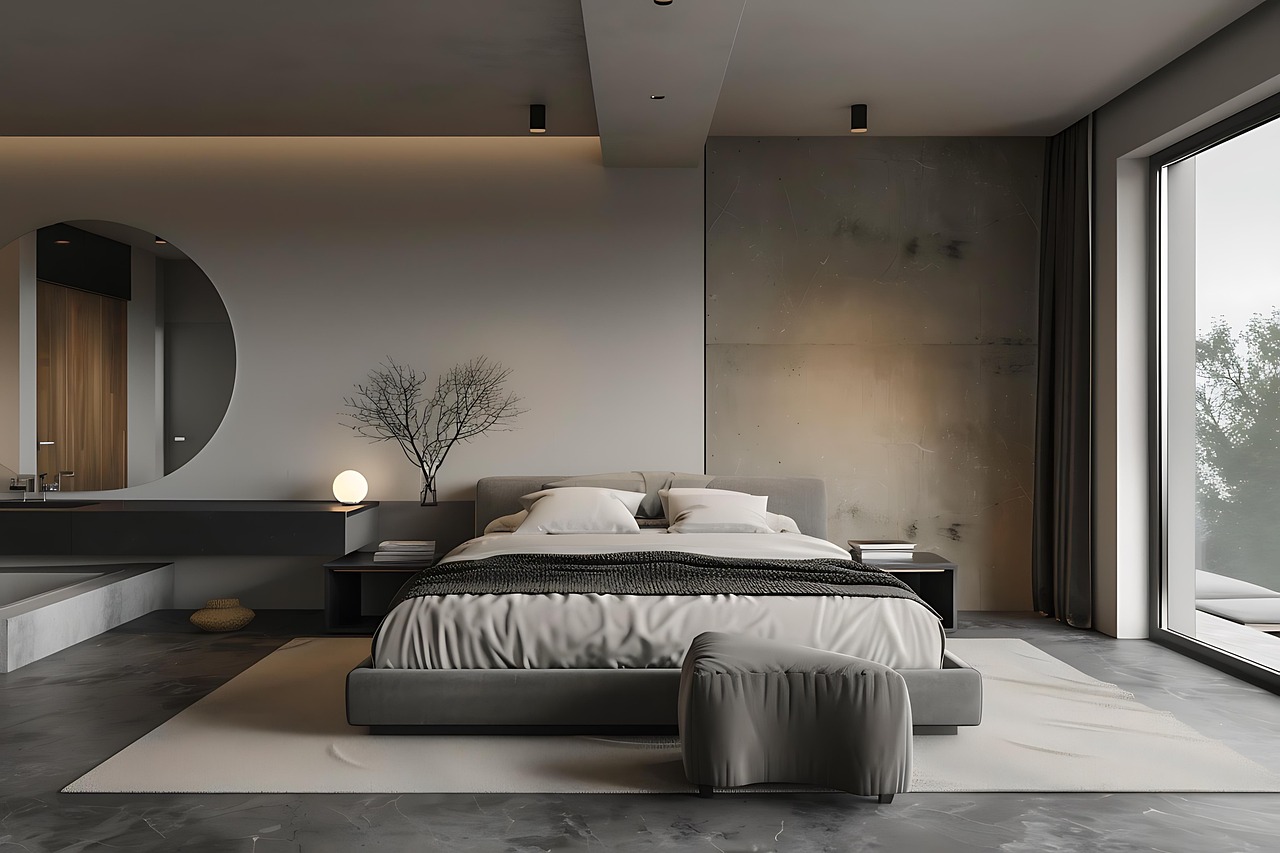
First impressions begin before you reach the room
Long before guests climb into bed or order room service, they’re already forming an impression of a hotel.
Luxury hospitality is built on atmosphere, and flooring often plays an understated role in setting expectations. Step into a grand lobby lined with plush carpeting and there’s often an instant sense of warmth and comfort. Corridors feel quieter, rooms feel more private and the hotel itself often feels more thoughtfully designed.
By contrast, spaces dominated by hard flooring can sometimes feel colder or more corporate, particularly in larger hotels where sound tends to carry more easily. While sleek stone or timber flooring certainly has its place in areas like receptions and restaurants, many high-end hotels continue to favour carpets in bedrooms and quieter communal spaces for good reason.
Why some hotel rooms instantly feel more luxurious
There is something undeniably comforting about stepping barefoot onto soft carpet at the end of a long travel day.
After hours spent navigating airports, exploring unfamiliar streets or attending meetings, small comforts start to matter more. A thick, plush carpet beneath your feet can make a hotel room feel immediately more inviting – particularly compared to hard flooring, which can sometimes feel stark or cold.
Texture also has a surprisingly strong influence on how we perceive luxury. Just as crisp linen bedding, soft robes and heavyweight curtains create a sense of indulgence, flooring contributes to the overall feeling of comfort in subtle but important ways.
For hotels looking to create a more premium feel, carefully selected flooring can make a noticeable difference. Natural textures and thoughtfully chosen materials can help bring warmth and softness to guest rooms whilst complementing the overall design of the space. For hoteliers seeking more sustainable options, eco carpets UK choices made from natural fibres can also help balance comfort, practicality and design.
The luxury of silence
One of the most overlooked benefits of carpeting in luxury hotels is something guests may only notice by its absence – peace and quiet.
Hard flooring tends to amplify sound. Footsteps echo, suitcase wheels rumble through corridors and noise from neighbouring rooms can feel far more noticeable. Carpets, on the other hand, help soften acoustics, absorbing sound and creating calmer environments.
For hotels positioning themselves around relaxation, wellness or restorative stays, this matters more than ever. A quieter room often translates into better sleep, and better sleep usually means happier guests.
In boutique hotels especially, where atmosphere forms part of the overall experience, these quieter details can help create spaces that feel more intimate and restful.
Warmth changes the way a room feels
Luxury is not always about extravagance. Often, it comes down to comfort.
Flooring plays a practical role here, too. Carpets naturally help retain warmth and provide insulation, making rooms feel cosier and more welcoming – particularly during colder months or in older buildings where draughts can sometimes be harder to avoid. In high-end hospitality, materials are often chosen for both comfort and longevity, helping rooms feel inviting whilst standing up to the demands of daily guest use.
This can be especially valuable in heritage hotels, country house stays or converted period properties, where maintaining character often comes alongside practical challenges. Soft flooring helps make these larger, older spaces feel more relaxed and comfortable without taking away from their architectural charm.
It’s a subtle shift, but one that guests tend to feel rather than consciously notice.
How flooring shapes the look of a hotel
Beyond comfort, flooring also has a huge influence on how a space looks. Colour, texture and material all contribute to the atmosphere of a room. Richer textures can make interiors feel layered and inviting, while natural fibres often complement boutique and heritage-style interiors particularly well.
Many luxury hotels now favour softer, more tactile interiors over ultra-minimal spaces, leaning into comfort and warmth rather than stark design. Flooring becomes part of this wider mood, helping tie together furniture, lighting and décor in ways that feel cohesive rather than overly styled.
For hotels increasingly thinking about sustainability alongside aesthetics, eco-conscious materials are also becoming part of the conversation. Guests are paying more attention to thoughtful design choices, from refillable toiletries to responsibly sourced furnishings, and flooring is no exception.
The best luxury hotels are rarely defined by one standout feature alone. More often, it is a collection of thoughtful details that quietly shape the experience – the lighting, the scent in the lobby, the quality of the bedding and even the feeling beneath your feet. Flooring may not always be the first thing guests notice, but it often plays a bigger role in how a stay feels than many realise.
What details make a hotel stay feel truly luxurious to you? Is it the bedding, the bathroom – or are thoughtful touches like warm, quiet interiors just as important? Let me know in the comments below.